
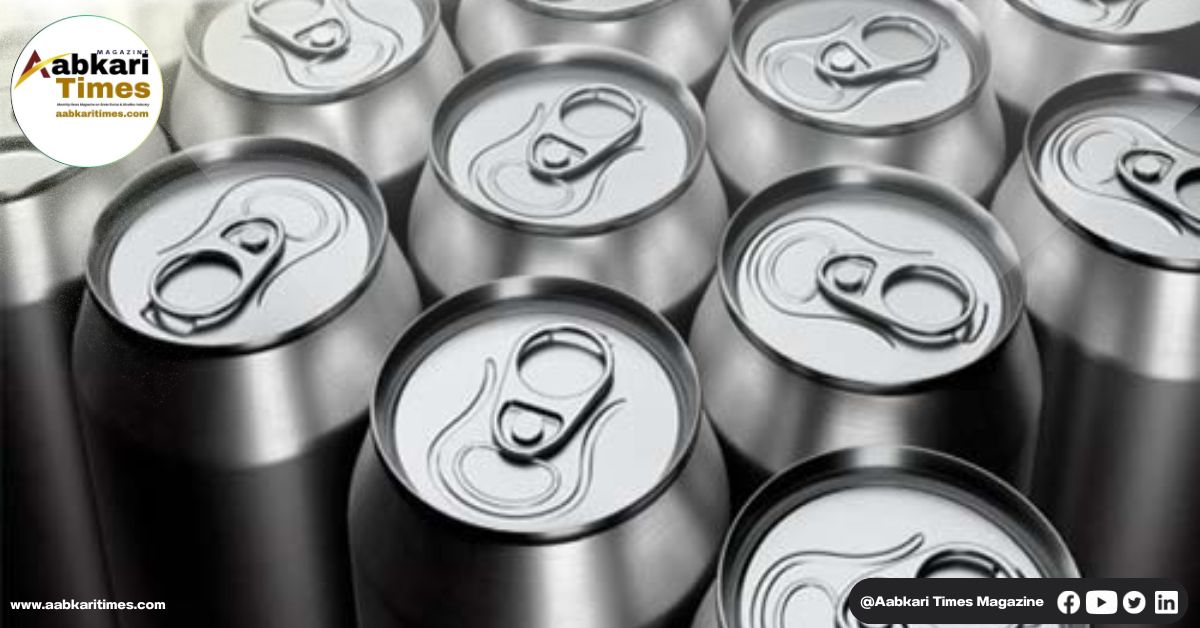
Mumbai: India’s beer and beverage industry is facing a major disruption as a severe shortage of aluminium cans hits supply chains across the country. The shortage, estimated at around 12–13 crore cans, could impact a market worth nearly ₹11,500 crore.
The problem has been triggered by a sharp rise in global aluminium prices—up nearly 47–50% year-on-year to about $3,600 per tonne—making imports expensive in a market that depends heavily on overseas supply. At the same time, key suppliers like Ball Corporation and CANPACK are currently operating at only 10–20% of their normal supply levels for India.
Shortages Already Visible in Market
The impact is now being felt across bars, retail stores, and quick-commerce platforms. Popular products like Diet Coke and Monster Energy Zero Ultra are disappearing from shelves in several cities.
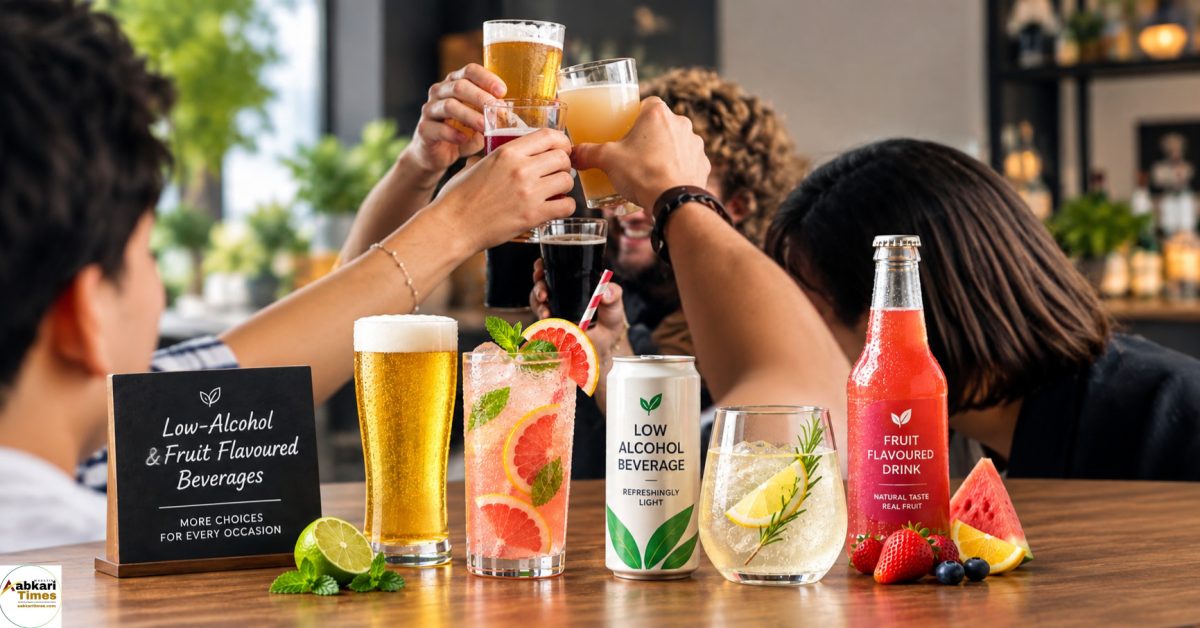
 India’s Alcobev Market Sees Growing Interest in Low-Alcohol and Fruit-Flavoured Drinks
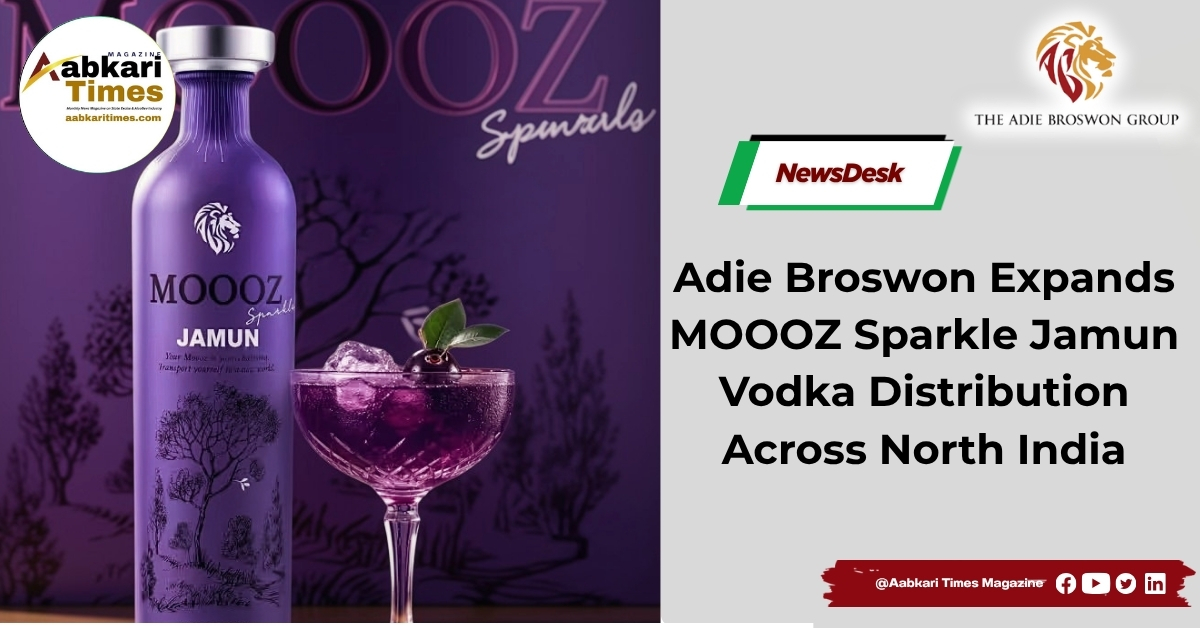
 Adie Broswon Expands MOOOZ Sparkle Jamun Vodka Distribution Across North India
In metros such as Mumbai, Bengaluru, and Pune, retailers are reporting frequent stock gaps, especially in high-demand categories like canned beer. Much of the current stock was produced before the crisis, and inventories are now running low.
What’s Causing the Crisis
The shortage is being driven by three key factors: rising raw material costs, disruptions in imports, and regulatory challenges. Even though production continues globally, getting aluminium cans into India has become difficult, with uncertain timelines for recovery.
The issue is affecting a wide range of companies, including Coca-Cola, United Breweries, Carlsberg, AB InBev, PepsiCo, and Parle Agro.
Another challenge is the variety of can sizes in India—250 ml, 330/350 ml, and 500 ml. Due to limited raw materials, manufacturers are prioritising larger 500 ml cans, mainly used for beer, over smaller and more complex formats. This has worsened shortages in soft drinks and functional beverages.
Beer Industry Hit the Hardest
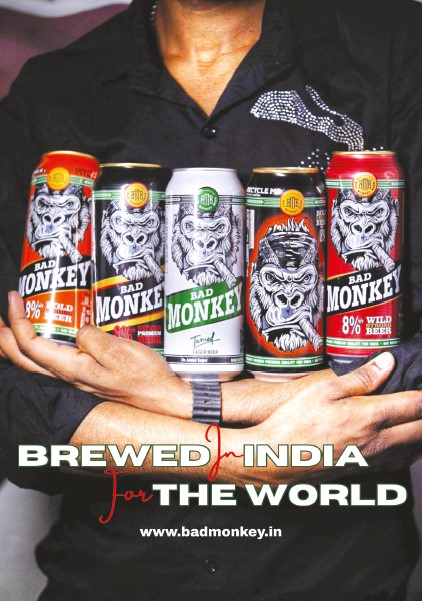
The impact is most severe in the beer segment. In many markets, cans account for 75–80% of beer sales, and around 60–70% of India’s ₹51,000 crore beer market depends on cans.
Major brands like Kingfisher, Budweiser, and Tuborg are expected to face supply challenges as existing stock runs out.
Industry players say cans are preferred because they are easier to transport, reduce breakage, and offer better margins across the supply chain. With fewer cans available, distributors are struggling to meet demand.
Rising Costs and Limited Alternatives
Companies are now turning to imports from countries like China, Vietnam, and South Korea, but this requires upfront payments and adds financial pressure. At the same time, inventory levels have dropped from the usual 50–60 days to just 20–30 days.
Glass bottles are also becoming more expensive, with prices rising by nearly 20%, and they come with higher logistics and breakage risks. While PET bottles are being used as an alternative, they cannot fully replace cans, especially in premium categories.
Financial Impact and Outlook
The shortage is expected to cause losses of over ₹11,500 crore, including around ₹6,250 crore in lost sales and ₹5,300 crore in margin pressure. According to estimates, brewers may see an additional ₹1,500 crore hit to profitability, with margins declining by 2.5–3%.
Since alcohol pricing is controlled by state governments, companies have limited ability to pass on higher costs to consumers, making the situation more difficult.
Experts warn that the summer of 2026—a peak season for beverage sales—will be particularly challenging. With demand at its highest and supply constrained, companies risk losing sales that cannot be recovered later.
There is no quick solution in sight. Industry estimates suggest it could take up to a year for supply to stabilise. Until then, companies are struggling to manage operations and maintain market presence.
About the Author