
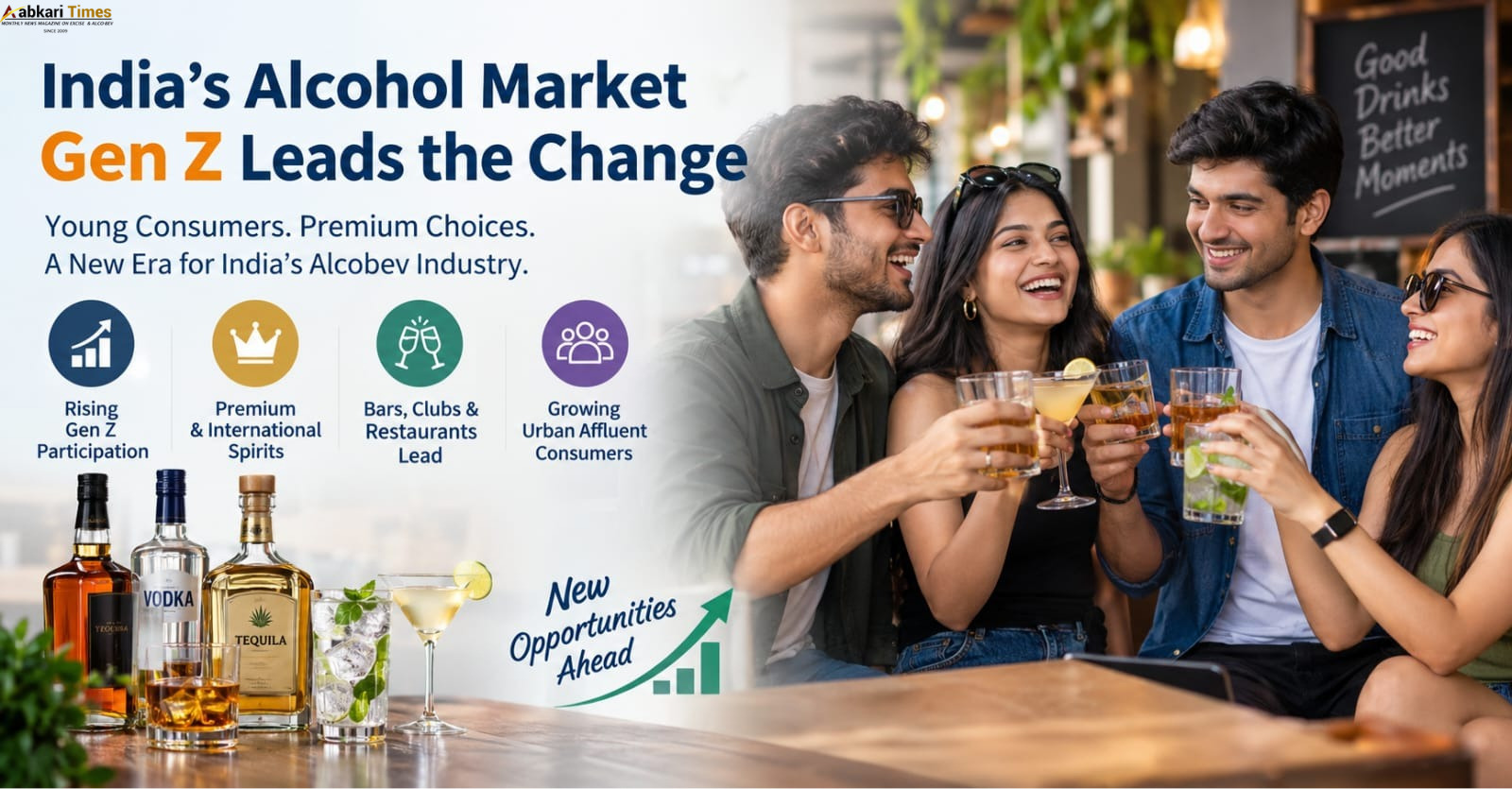
India’s alcohol market is witnessing a notable generational shift in 2026. While Baby Boomers and older consumers are gradually reducing their alcohol consumption, younger legal-age consumers are becoming increasingly active in the category. The trend is particularly visible among Gen Z consumers aged 21 to 28, challenging the widely held global perception that younger people are moving away from alcohol.
According to India data from IWSR’s Bevtrac survey, the proportion of Gen Z consumers who reported drinking alcohol reached 80% in March 2026, compared with 70% a year earlier and 60% in 2023. The data points to a rapidly changing consumer landscape for India’s alcoholic beverage industry, where younger drinkers are emerging as an important growth segment.
India’s Gen Z Drinking Trend Stands Out
The Indian market is showing a different trajectory from several developed economies, where moderation, wellness trends and alternative entertainment options have influenced younger consumers’ drinking habits. In India, Gen Z consumers are increasingly exploring alcohol through premium spirits, social occasions and experience-led consumption.
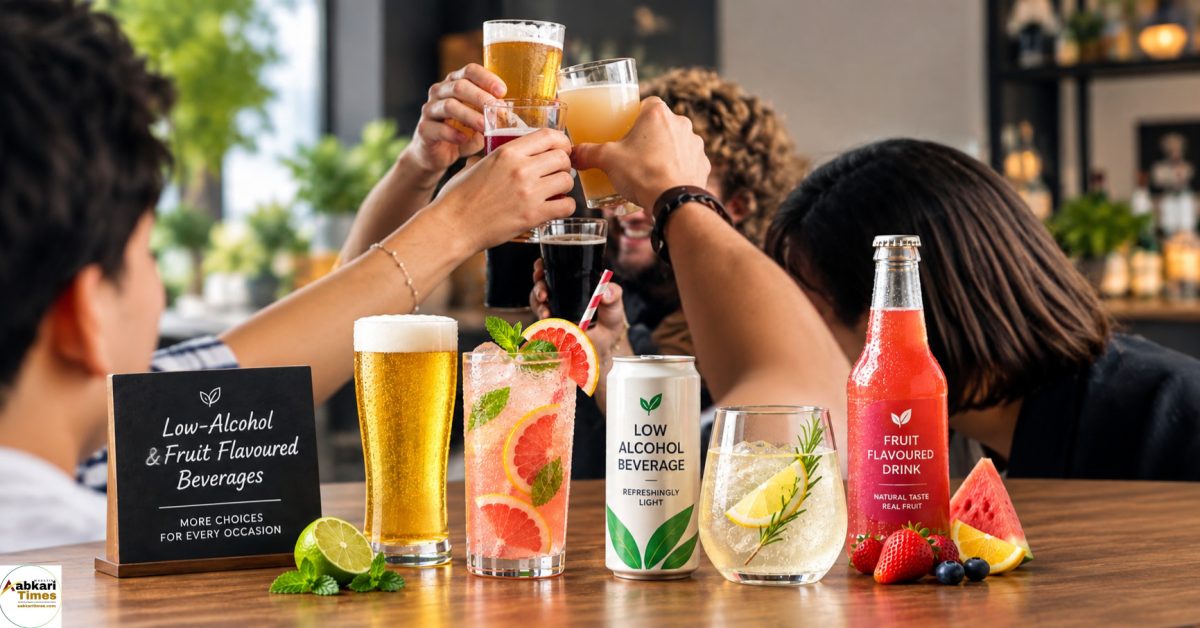
 India’s Alcobev Market Sees Growing Interest in Low-Alcohol and Fruit-Flavoured Drinks
 Scotch Whisky Association Appeals Against England’s New Single Malt Whisky Rules
Industry executives believe this is helping sustain growth in India at a time when several mature international alcohol markets are facing slower expansion. Amar Sinha, managing director of Allied Blenders and Distillers, has highlighted the growing contribution of younger consumers, particularly in premium and above-premium segments. For the Indian alcobev industry, the trend is significant because the next phase of market growth is increasingly linked to consumers trading up rather than simply increasing volumes.
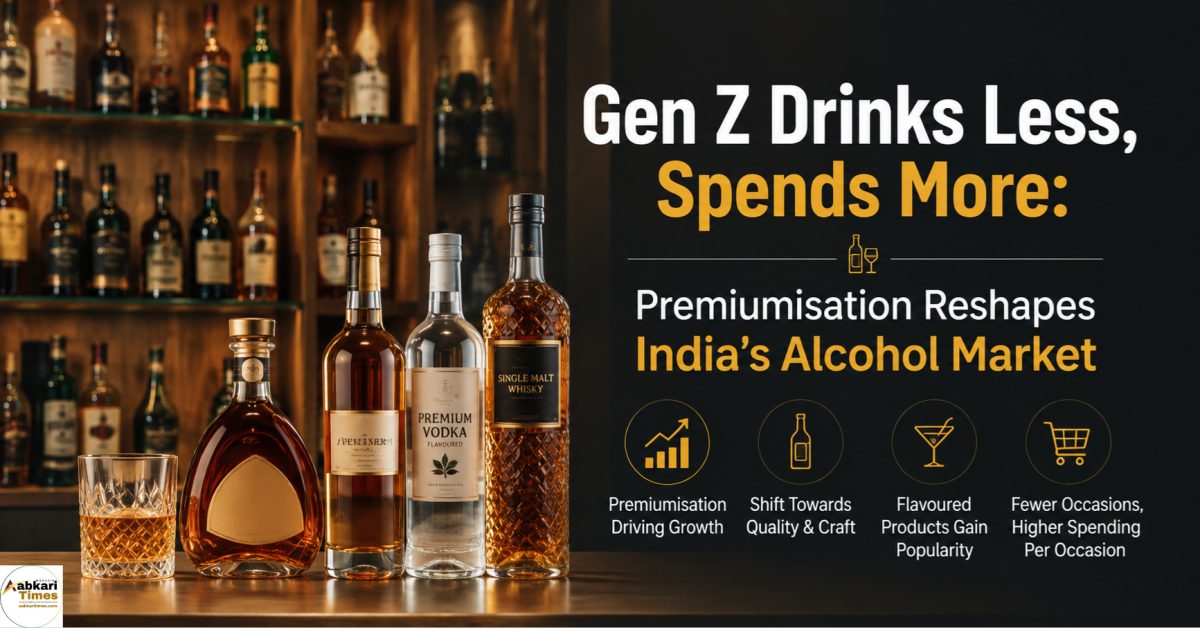
Premiumisation Is Reshaping the Young Consumer
Gen Z’s growing participation does not necessarily mean a simple increase in alcohol consumption. Their preferences indicate a broader shift in how alcohol is selected, experienced and consumed. Young consumers are showing interest in vodka, tequila and other international spirits alongside established categories such as whisky.
Ahmed Rahimtoola, chief marketing officer at Tilaknagar Industries, has described Gen Z as more experimental and experience-oriented, with factors such as packaging, design, storytelling and brand relevance influencing purchase decisions. This has made premiumisation one of the key themes for India’s alcohol industry in 2026. Importantly, the premium trend is no longer restricted to major metros. Rising incomes, social media exposure, digital discovery and greater availability of premium products are extending aspirational consumption into Tier-II and Tier-III cities.
Bars and Restaurants Remain Important Drinking Venues
India’s drinking culture also continues to be strongly linked with social occasions outside the home. IWSR’s survey of 2,545 adults across 11 Indian cities found that nearly 60% of respondents said their most recent drinking occasion took place at a bar, club or restaurant. Around 32% reported drinking at home.
The timing of consumption also remains distinct. Approximately seven in ten respondents said they started drinking after 7 pm. This pattern reflects the continued importance of India’s expanding nightlife, hospitality and food-service sectors in creating drinking occasions. Sarah Campbell, global head of research at IWSR, has pointed to India’s young population and nightlife culture as important factors behind the country’s distinctive consumption pattern.
Urban Affluent Consumers Drive Participation
Alcohol participation among India’s affluent urban consumers has also increased sharply. According to the IWSR data, overall alcohol participation in this consumer group rose to 77% in 2026 from 67% over the comparable period. For alcobev companies, this creates opportunities across premium whisky, Scotch, vodka, tequila and other emerging categories. The market is therefore becoming increasingly segmented, with established consumers continuing to support traditional spirits while younger consumers broaden the category mix.
Whisky Still Dominates India’s Spirits Market
Despite the rapid emergence of new categories, whisky remains at the heart of India’s spirits market. The IWSR data shows that the share of consumers reporting Indian whisky consumption during the previous six months increased to 57% in 2026 from 53% in 2023.
Blended Scotch also recorded growth, with its reported consumption share rising from 38% in 2023 to 43% in 2026. This suggests that premiumisation is occurring within established categories as well as through newer international spirits.
What the Gen Z Shift Means for India’s Alcobev Industry
The 2026 data indicates that India’s alcohol story cannot simply be explained by the global narrative of Gen Z moderation. The country’s youthful demographics, expanding middle and affluent consumer base, premiumisation, nightlife economy and growing exposure to international brands are creating a distinct consumption environment.
For alcohol companies, the opportunity is increasingly about winning younger legal-age consumers through premium products, differentiated brand experiences and stronger lifestyle positioning. At the same time, the changing behaviour of older consumers could gradually alter the traditional volume dynamics of the market.
India’s alcobev industry is consequently entering a new phase where Gen Z is not merely replacing older drinkers—it is helping redefine drinking occasions, product preferences and the premium alcohol opportunity in 2026 and beyond.
About the Author