New Delhi, September 9, 2026: India’s alcoholic beverages industry is entering a decade of structural transformation, with HSIE Research describing the sector as being at a “structural inflection point” in a thematic report dated September 7, 2026. Favourable demographics, rising incomes, rapid premiumisation and a gradual shift towards progressive state-level regulation are expected to reshape the market significantly over the next ten years, creating a stronger growth runway for well-positioned players.
HSIE expects India to add nearly 100 million legal drinking-age consumers over the next five years, supported by a median age of 28, rising affluence and an expanding aspirational middle class that is increasingly open to experimentation and premiumisation. India is already the world’s largest whisky market by volume and is projected to overtake the United States in 2032 to become the world’s second-largest beverage alcohol market after China. Spirits penetration currently stands at around 40 per cent, with per capita consumption at approximately 2.6 litres both figures indicating substantial headroom for further growth.
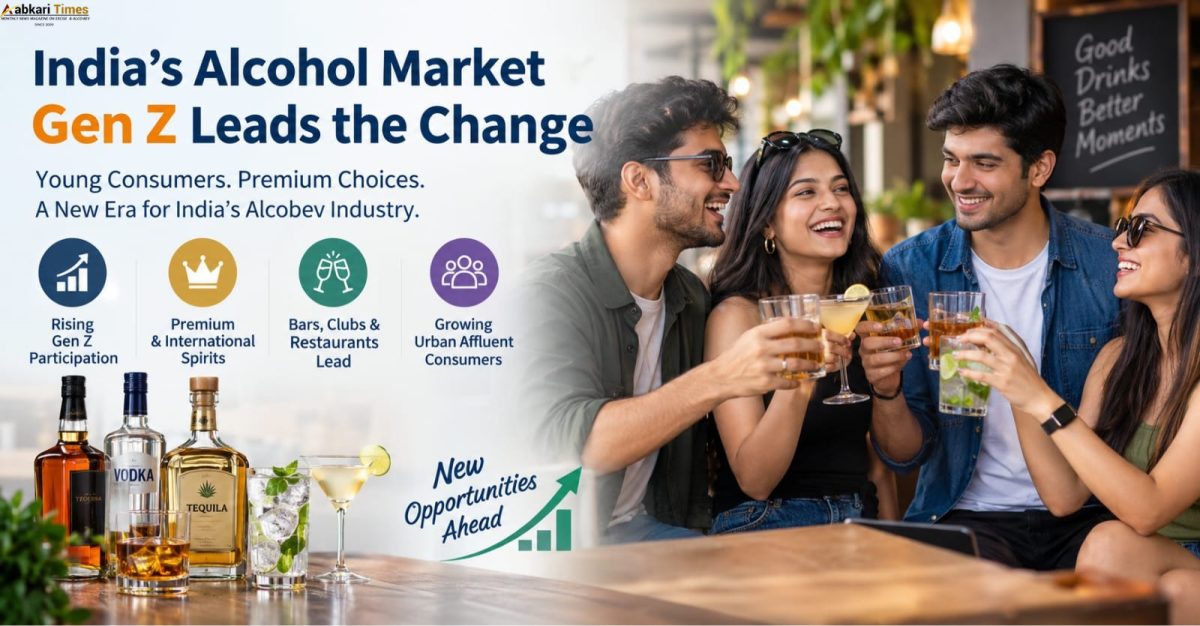
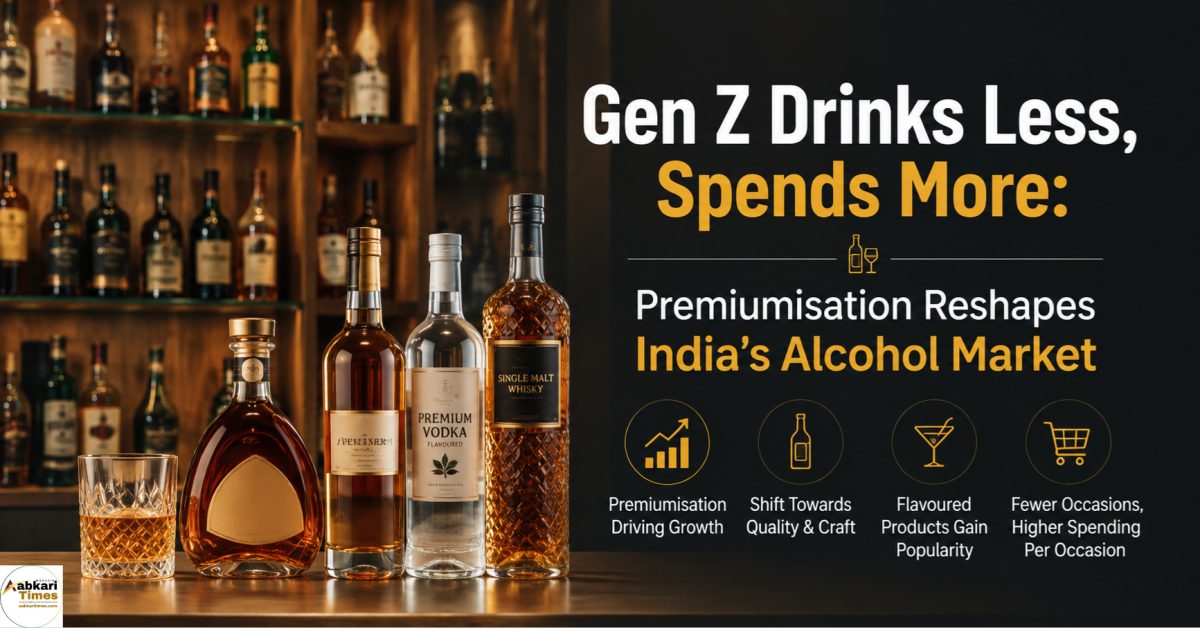
The premium-and-above segment is expected to be the primary beneficiary of changing consumer behaviour. Younger, affluent consumers are experimenting with white spirits, cocktails and ready-to-drink formats, while traditional whisky and brandy consumers are moving up the value chain. Premium Indian single malts, craft gins, flavoured vodkas and spiced rums are gaining traction alongside international offerings, while RTD formats are benefiting from a youth-led shift towards convenience and mixology.
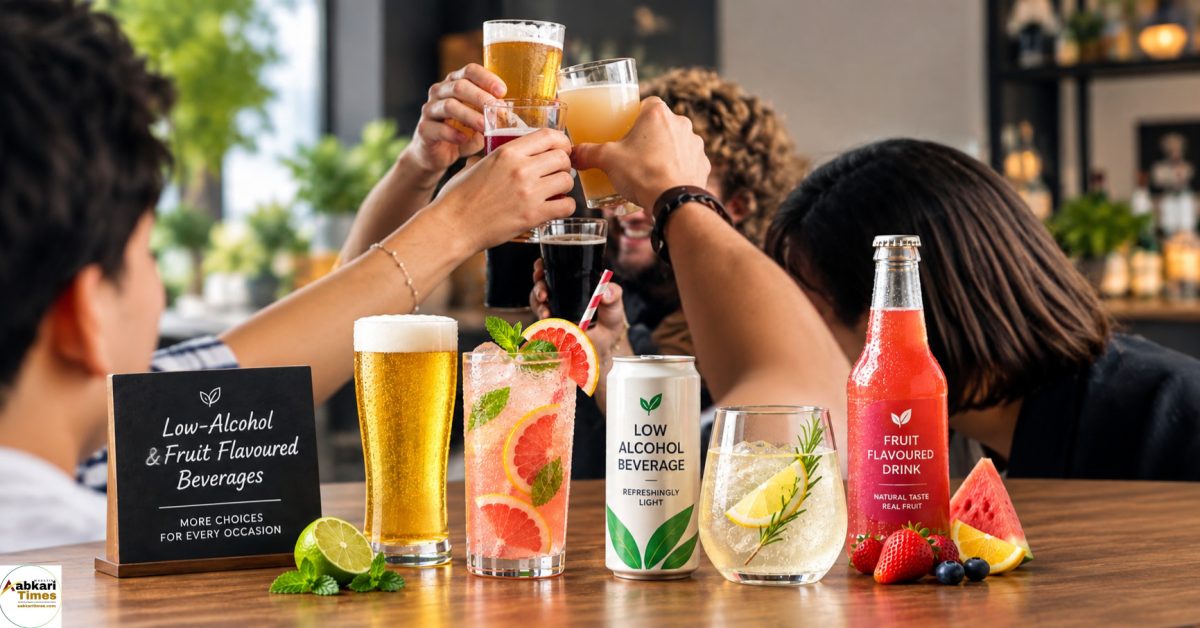
 India’s Alcobev Market Sees Growing Interest in Low-Alcohol and Fruit-Flavoured Drinks
 Scotch Whisky Association Appeals Against England’s New Single Malt Whisky Rules
One of the most significant shifts highlighted by the report is the evolving regulatory environment. Uttar Pradesh has emerged as one of the strongest examples of reform, introducing composite liquor outlets, transparent licensing, lower wholesale licence fees and a cash-and-carry model that mandates transactions through a central portal. HSIE estimates UP could reach approximately ₹600 billion in alcohol revenue, with its policy framework increasingly seen as a potential benchmark for other states.
Karnataka made a significant policy shift in its 2026-27 budget, introducing AIB-based taxation, deregulated government-administered pricing, rationalised pricing slabs and 24-hour operations for distilleries and breweries. The new tax structure has narrowed the price differential between popular and prestige-and-above products from around ₹95 to ₹45, potentially accelerating consumer trade-up. Andhra Pradesh has also reversed restrictive policies introduced between 2019 and 2024, allowing national brands to re-enter, opening retail to private operators and simplifying tax structures with excise revenue reaching ₹288.42 billion in FY25, up around 15 per cent year on year.
Against this backdrop, HSIE has initiated coverage with a positive stance on the sector. Radico Khaitan, United Spirits and Tilaknagar Industries have been rated BUY with target prices of ₹5,300, ₹1,750 and ₹700 respectively. Allied Blenders and Distillers has been rated ADD with a target of ₹685, while United Breweries has been rated REDUCE with a target of ₹1,325.
The broader thesis goes beyond individual companies. HSIE believes the next decade of India’s alcobev industry will be defined by premiumisation, changing consumer preferences, regulatory evolution and execution quality creating a more competitive but potentially significantly larger market for both established and emerging players.
About the Author