
Poor Regulation and Weak Law Enforcement Keep Illegal Alcohol Trade Alive Among Low-Income Communities
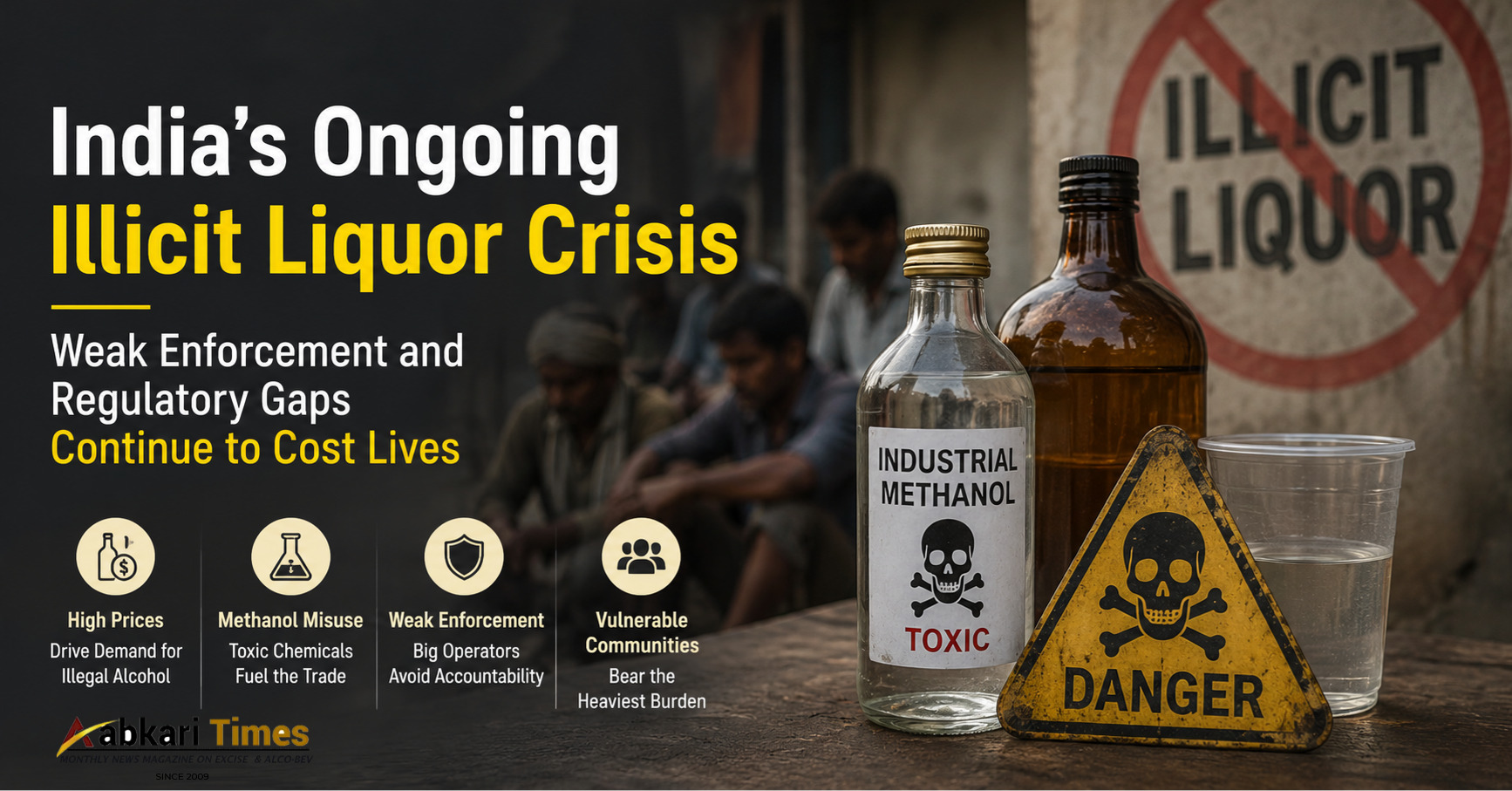
India continues to face a recurring public health crisis caused by the consumption of illicit liquor. Over the years, several states—including Uttar Pradesh, Maharashtra, Tamil Nadu, Gujarat, Punjab, Bihar, and Assam—have witnessed tragic incidents in which dozens of people lost their lives after consuming toxic alcohol.
Despite official promises of systemic reforms following major tragedies such as the 2015 Malvani hooch disaster in Mumbai, where more than 100 people died, many of the proposed corrective measures were never fully implemented. The recent Pune–Pimpri Chinchwad illicit liquor tragedy, which claimed the lives of more than a dozen people from economically weaker communities, has once again highlighted the persistent challenges in tackling the illegal alcohol trade.
→ Allied Blenders Approves ₹125 Crore for 3 Million BL Malt Distillery in Aurangabad→ West Bengal Declares Maha Ashtami 2026 as Dry Day for Durga Puja
Methanol Supply Chain Under Scrutiny
Preliminary investigations suggest that the latest incident was not the result of a small-scale operation but part of a well-organized supply network. Authorities believe industrial-grade methanol—the toxic chemical commonly linked to deadly hooch tragedies—was sourced from outside the state and mixed with ethanol to increase the volume and strength of locally produced liquor.
The economics behind the trade are straightforward. High taxes on legally produced alcohol often make licensed products unaffordable for low-income consumers. At the same time, adding methanol significantly increases production volumes at minimal cost, generating substantial profits for illegal manufacturers.
Some suspects reportedly claimed during questioning that deliberately poisoning customers would harm their own business interests. However, experts argue that such operations often survive because of administrative negligence or local-level protection, making thorough investigations into possible official complicity essential.
Retail Sellers Often Face the Blame
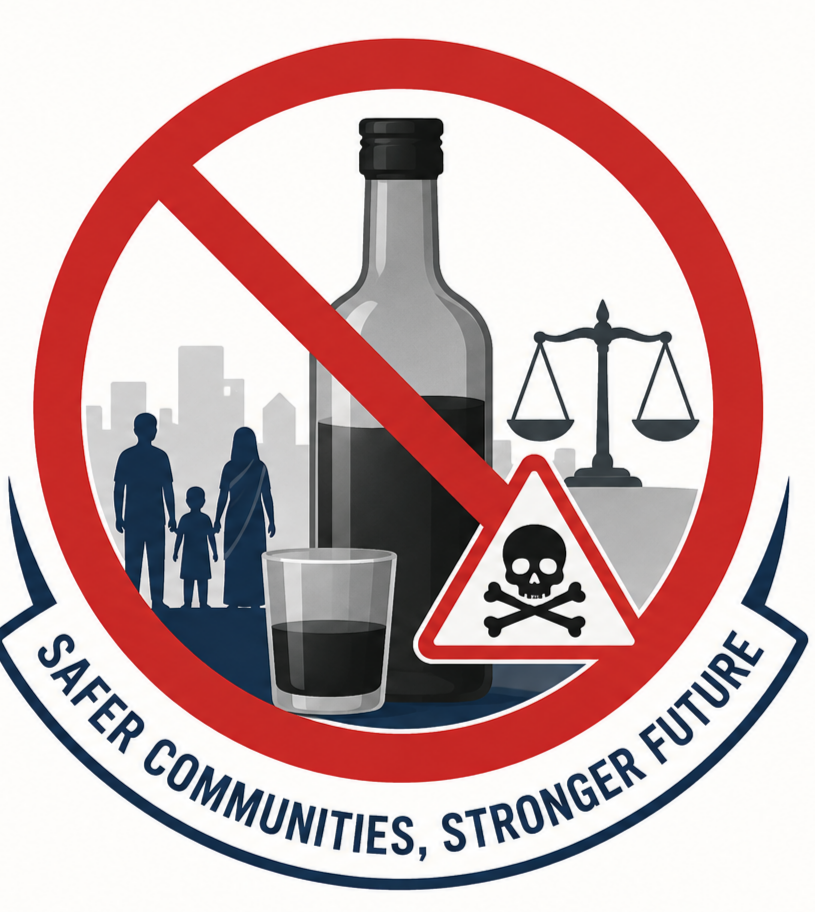
Following most illicit liquor tragedies, law enforcement agencies typically arrest local retailers and distributors. However, investigations into the suppliers of raw materials and the alleged masterminds behind these networks frequently yield limited results. In many cases, prosecutions remain inconclusive, and major operators avoid accountability.
Why Do These Tragedies Keep Repeating?
Experts believe that multiple factors combine to create the conditions for recurring hooch disasters.
One major concern is the inadequate monitoring of methanol after it leaves industrial facilities. Regulatory loopholes make it easier for the chemical to be diverted into illegal alcohol production.
Most victims belong to low-income groups, particularly daily wage laborers. Researchers have noted that physically demanding work, financial stress, and alcohol dependency often drive demand for cheap intoxicants, even when safety risks are known.
Economic uncertainty further increases vulnerability, while marginalized communities frequently lack access to awareness programs and addiction treatment services.
High Alcohol Prices and Prohibition Policies Fuel Illegal Markets
A 2024 public health analysis found that high prices of legal alcohol products push many poor consumers toward illegal alternatives. Researchers estimate that illicit liquor accounts for a significant share of alcohol consumption in India.
Experts also point to complete prohibition policies in states such as Bihar and Gujarat, arguing that blanket bans often create opportunities for criminal syndicates to dominate the market. In such environments, quality control is virtually absent, and regulatory oversight becomes increasingly difficult.
Need for Stronger Reforms
Legal experts and public health specialists have repeatedly emphasized that major operators behind illicit liquor networks are rarely convicted. Without stronger enforcement mechanisms, better tracking of industrial methanol, and affordable legal alcohol alternatives, the cycle of deadly hooch tragedies is likely to continue.
Addressing India’s illicit liquor crisis requires sustained political commitment, stricter regulation of industrial chemicals, improved law enforcement coordination, and targeted support for vulnerable communities. Until these structural issues are resolved, illegal alcohol will remain a serious public health threat across the country.
About the Author