
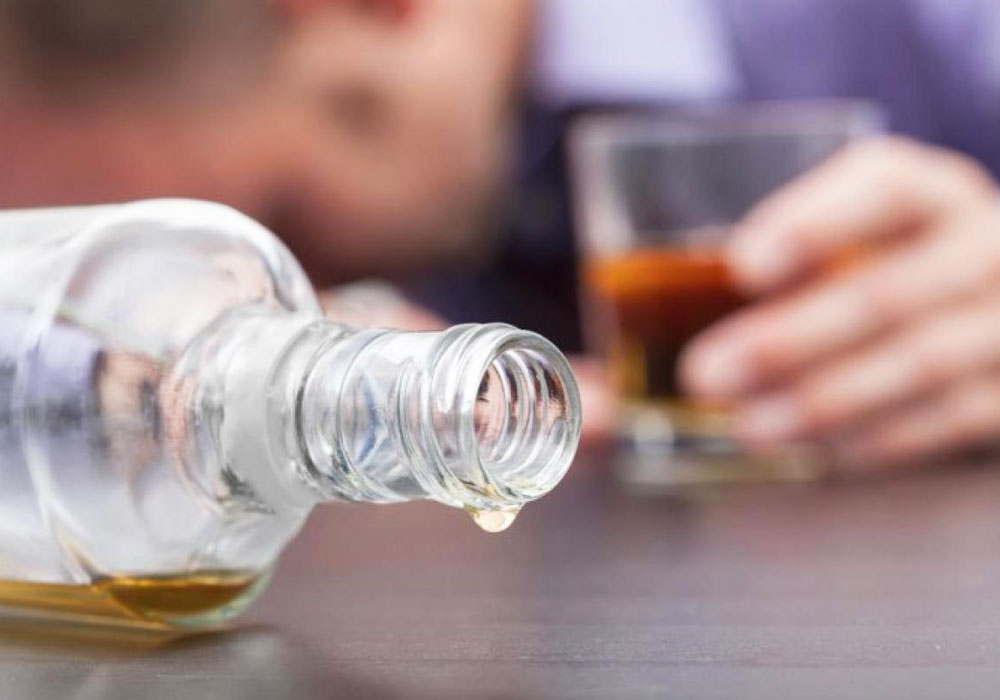
The deaths in Madhya Pradesh’s Sagar district once again highlight a difficult question: why do people continue to consume liquor from unverified sources despite the serious health risks associated with illicit alcohol?
Sagar, Madhya Pradesh: At least eight people were initially reported dead and several others hospitalised after allegedly consuming illicit liquor in the Banda area of Sagar district. The reported death toll later rose to 12, while dozens of people from nearby villages were taken to hospitals for medical attention.
The affected villages included Baraj, Nauraj, Ghoogra Khurd and Bamura Bheda. More than 25 people were reportedly referred from Banda Civil Hospital to Bundelkhand Medical College and District Hospital in Sagar. Doctors suspected methyl alcohol poisoning based on the symptoms, although the exact cause was yet to be established through post-mortem and forensic examination.
Why do people choose illicit liquor?
One of the most important questions following such incidents is consumer behaviour. Illicit liquor is often attractive because it can be cheaper, easily accessible and available outside the regulated retail network. For some consumers, the immediate concern is affordability rather than the origin or composition of the product.
 Monkey Shoulder Kicks Off 9th Ultimate Bartender Championship in India with New Delhi Round
 Tasmac to Invite Fresh Tenders for Bar Licences as Existing Permits Expire October 31
In rural and semi-urban areas, informal supply networks can also make unverified liquor accessible within communities. Consumers may not always know whether a bottle is genuine, whether it has been properly manufactured or even what ingredients it contains.
Another risk comes from counterfeit liquor. Products may be sold using packaging or branding that makes them appear legitimate, while their actual source remains unknown.
Why can illicit liquor become deadly?
Licensed alcoholic beverages are manufactured under controlled processes and are subject to quality and regulatory requirements. Illicitly produced or counterfeit liquor may not follow those controls.
The danger becomes particularly serious when toxic substances enter the product. In the Sagar case, methyl alcohol poisoning was suspected, but this has not yet been confirmed.
Awareness remains critical
The Sagar incident also highlights the importance of consumer awareness. A low-priced or easily available bottle can carry a much higher risk when its source is unknown.
Authorities have sealed liquor outlets in the affected area and collected samples for examination. Reports also indicate that concerns about suspected counterfeit liquor had been raised before the incident, although no confirmed link has yet been established between those complaints and the liquor consumed by the victims.
Ultimately, preventing such tragedies is not only about enforcement. It is also about ensuring that consumers understand the risks of buying alcohol from unverified sources.
The Sagar tragedy is therefore a reminder that when the origin, manufacturer and contents of a liquor product cannot be verified, the risk may extend far beyond the price paid for the bottle.
About the Author