
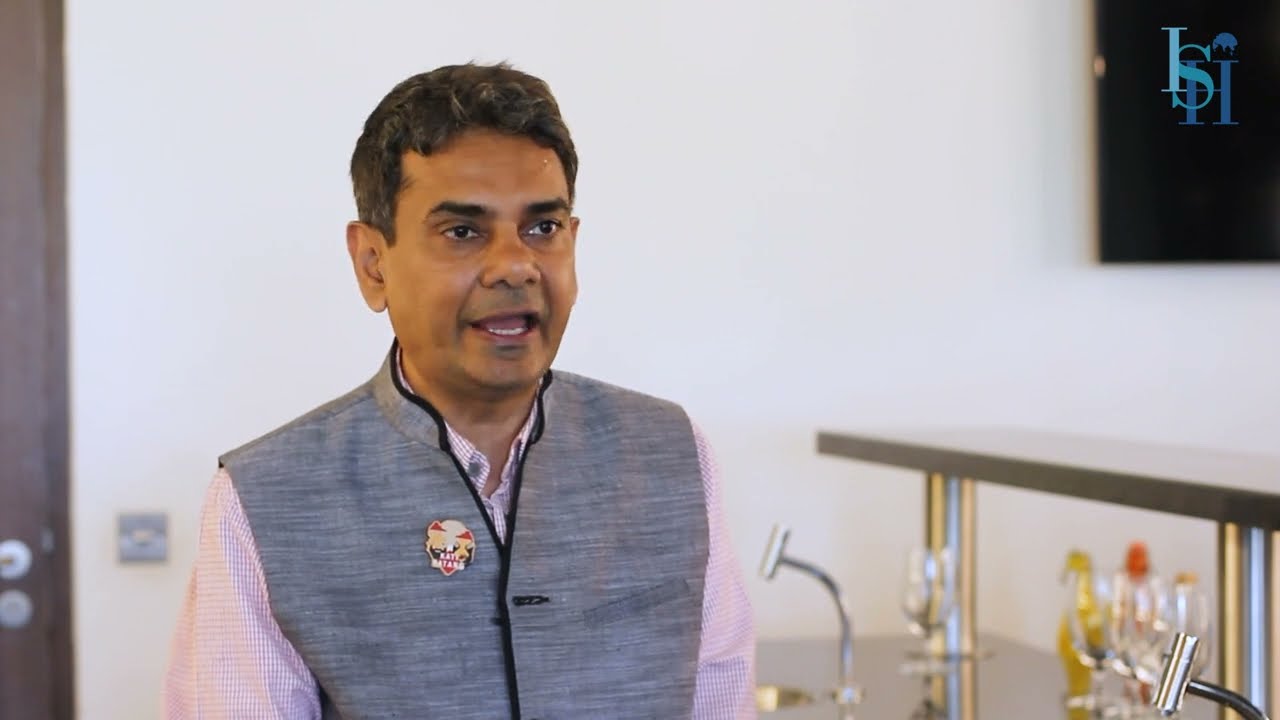
Building a premium beer brand in India means accepting brutal unit economics before the business even begins, according to Kati Patang founder and CEO Shantanu Upadhyay.
Speaking on the BestMediaInfo podcast, Upadhyay broke down the pricing of his Kati Patang Saffron Lager, sold at ₹150 in Delhi. Nearly ₹100 of that goes straight to the government, he said. Distribution, logistics, and retail margins consume much of what remains, with trade incentives taking a further ₹20–25. That leaves the brand with roughly ₹30 to cover everything else — raw materials, packaging, marketing, staff, and operations.
Upadhyay, who spent over 14 years in management consulting including roles at BCG and Deloitte, pointed to India’s fragmented state-level alcohol policy as a major hurdle. Duties often aren’t aligned with a product’s actual alcohol content, he noted, citing Karnataka’s shift toward taxing beer based on actual ABV as a more sensible model. Without that alignment, beer can end up taxed on its water content at rates comparable to spirits — a structural disadvantage for the category.
 Amrut Distilleries’ Sales Growth to Remain Under Pressure Until 2030 Amid Limited Whisky Supply and Cheaper Scotch Imports
 Japan Cuts Beer Taxes, Making Regular Beer Cheaper from October 2026
His advice to anyone considering entering the beer business was direct: study the economics first, and don’t expect quick returns. “If you want to build something in two or three years, then you should not enter the category,” he said.
Kati Patang itself is a case study in that patience. What Upadhyay originally projected as a three-year build has stretched to eight or nine years, with costs roughly five times higher than his initial estimates.
Rather than push the core beer brand to scale faster, the company has expanded into an ecosystem of related businesses — acquiring a distribution company to leverage the same route to market across multiple products, and building experience-driven offshoots like Kati Patang Trial Room and KP Experiences. Upadhyay compared the strategy to how global players like Diageo and Pernod Ricard build brand portfolios, with Kati Patang as the core asset supported by additional profit pools.
India’s tight restrictions on alcohol advertising, often seen as a disadvantage, actually favor independent brands like Kati Patang, Upadhyay argued. Without the option to outspend competitors on mass platforms like cricket broadcasts, brands are forced to compete on storytelling, community, and experience instead — a more level playing field for smaller players with a strong narrative.
Kati Patang is priced 30–50% above its peer set, and Upadhyay says contribution margins across its markets range between 15% and roughly 25%. That margin has to fund marketing, hiring, and brand-building simultaneously. The company is targeting break-even from its core beer business around 2027–28, assuming current growth continues.
Kati Patang is also eyeing international expansion, including the UK and US markets — framed not primarily as revenue opportunities, but as ways to build broader visibility and credibility for the brand.
After nearly eight years building the company, Upadhyay says his biggest takeaway isn’t about beer at all — it’s about patience. He describes entrepreneurship as trading away “the luxury of a quiet mind,” with regulatory friction, cash-flow pressure, and constant second-guessing as permanent fixtures of the job.
About the Author