
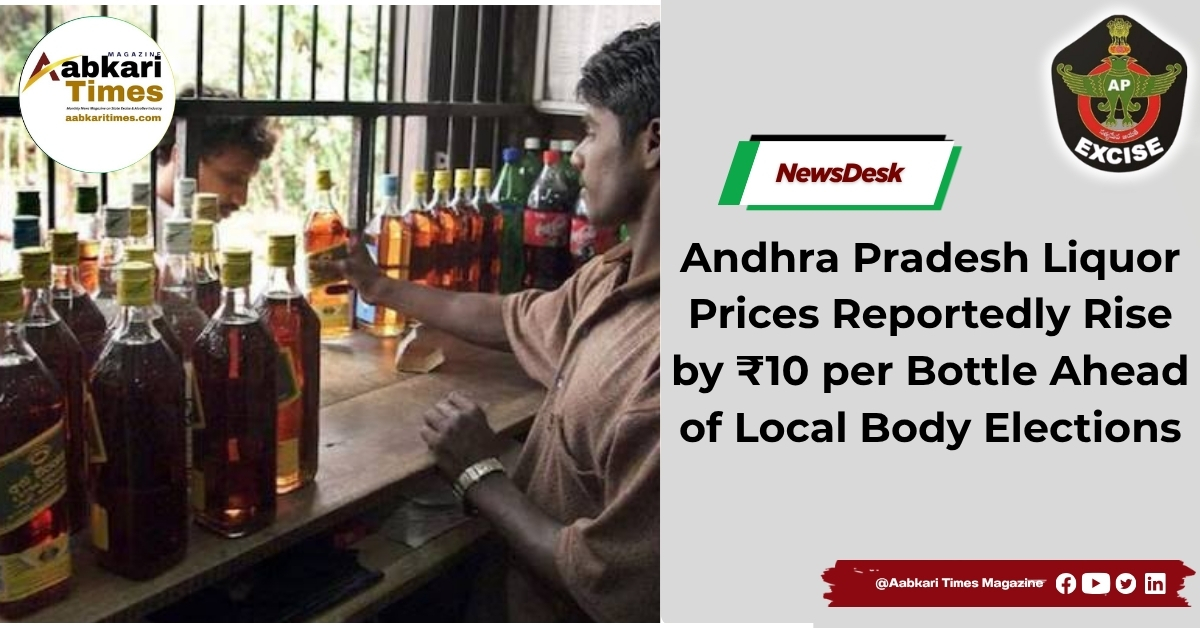
Liquor prices in Andhra Pradesh have reportedly increased by ₹10 per bottle during the festive season, raising questions among consumers about the reasons behind the revision and its possible connection to upcoming local body elections. The reported increase, highlighted in a news report published on October 23, 2026, could add to consumers’ expenses during a period when liquor purchases may rise. However, official confirmation of the revised prices and the alleged link to election funding remains necessary.
The reported price increase means customers could pay an additional ₹10 for each bottle, depending on the applicable brand, bottle size and approved retail price. Even a relatively small increase can add to expenses for regular buyers, particularly during the festive season. Consumers have therefore been advised to check the prices displayed at authorised liquor outlets and compare them with the officially approved rates.

The development has attracted attention because the reported increase has been linked to the financial requirements of upcoming local body elections. Election preparations involve administrative expenditure, polling arrangements, staff deployment, security and other logistical requirements. However, the specific claim that the additional ₹10 per bottle is intended to fund election-related expenses has not been independently established.
Any revision in liquor prices or collection of additional charges must have an appropriate legal and administrative basis. Clarification from the Andhra Pradesh government or the state excise department would be necessary to establish whether the reported increase represents an officially approved price revision, a change in applicable duties or an unauthorised additional charge.
 India’s AlcoBev Industry Contributes ₹4 Trillion in Taxes in FY25, ISWAI Report Reveals
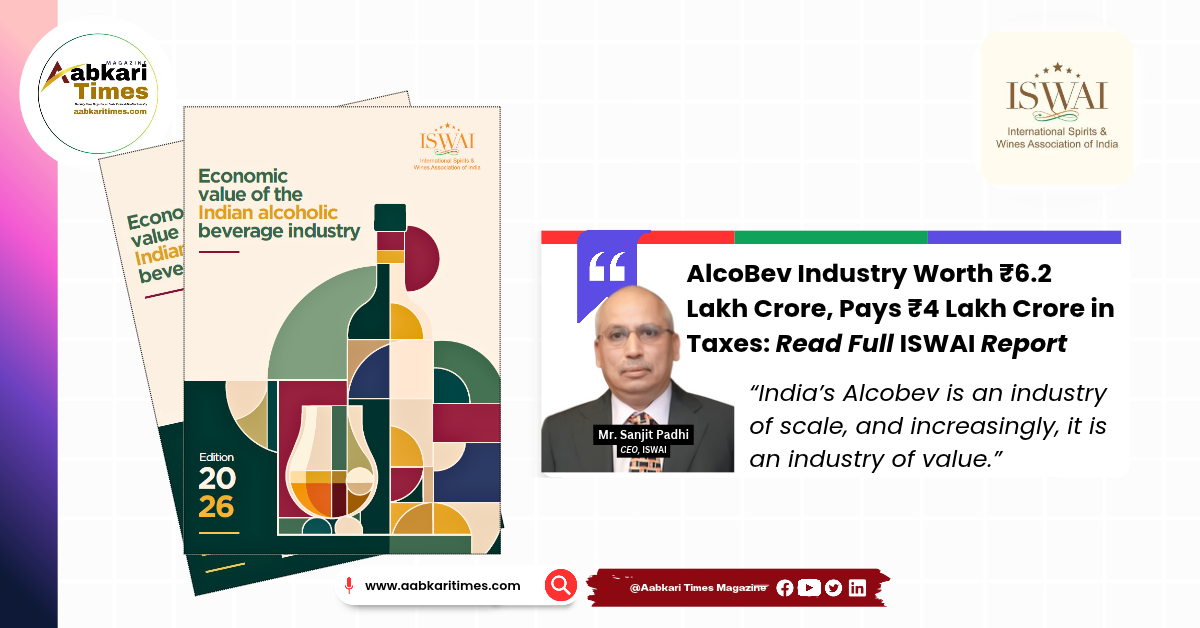
 AlcoBev Industry Worth ₹6.2 Lakh Crore, Contributes ₹4 Lakh Crore in Taxes: Read Full ISWAI Report
Liquor retailers are expected to sell products at government-approved prices and comply with applicable excise regulations. Customers should check their bills and question any unexplained difference between the displayed price and the amount charged. Any suspected overcharging can be reported to the relevant excise authorities for verification.
The reported ₹10 increase has brought liquor pricing and election-related funding under scrutiny in Andhra Pradesh. Until the state government or excise department provides an official clarification, the precise reason for the reported price hike and the proposed use of any additional revenue should be treated as unconfirmed.
The issue highlights the importance of transparent liquor pricing, regulatory compliance and clear communication with consumers, particularly when price changes occur during periods of heightened demand.
About the Author