
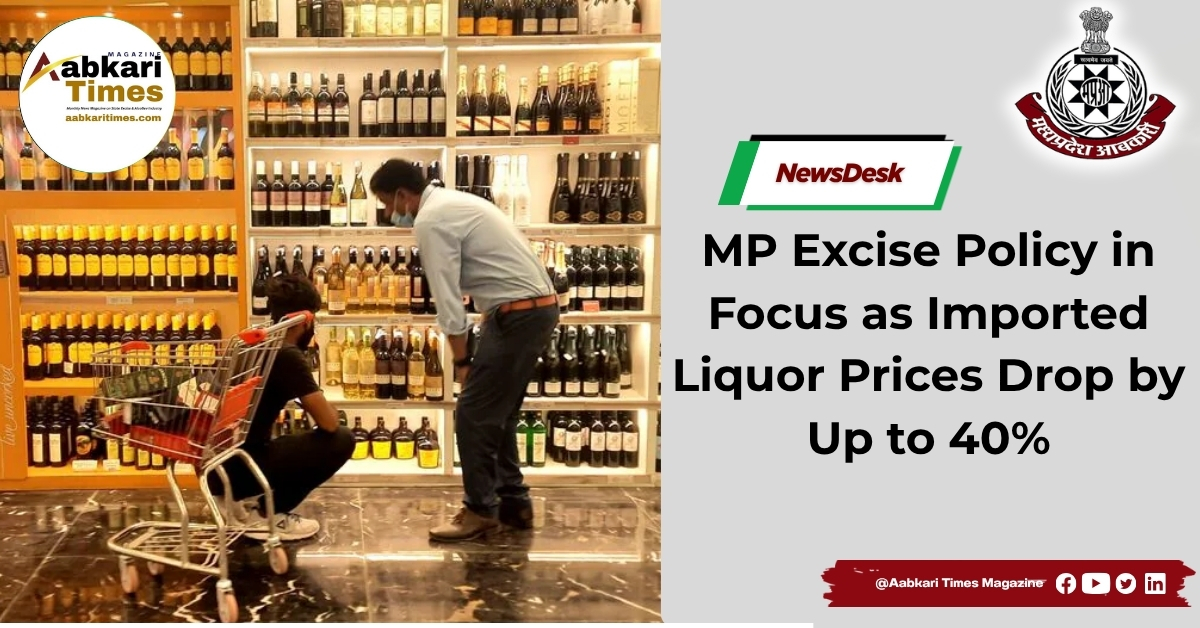
Imported liquor prices have declined by 15% to 40% in Bhopal following the reduction in customs duty from 150% to 75% under the India–UK trade agreement, offering relief to consumers while raising concerns among Indian premium whisky manufacturers. The price changes, which became more noticeable in October 2026, have prompted liquor retailers to create dedicated sections for high-end Indian and international spirits.
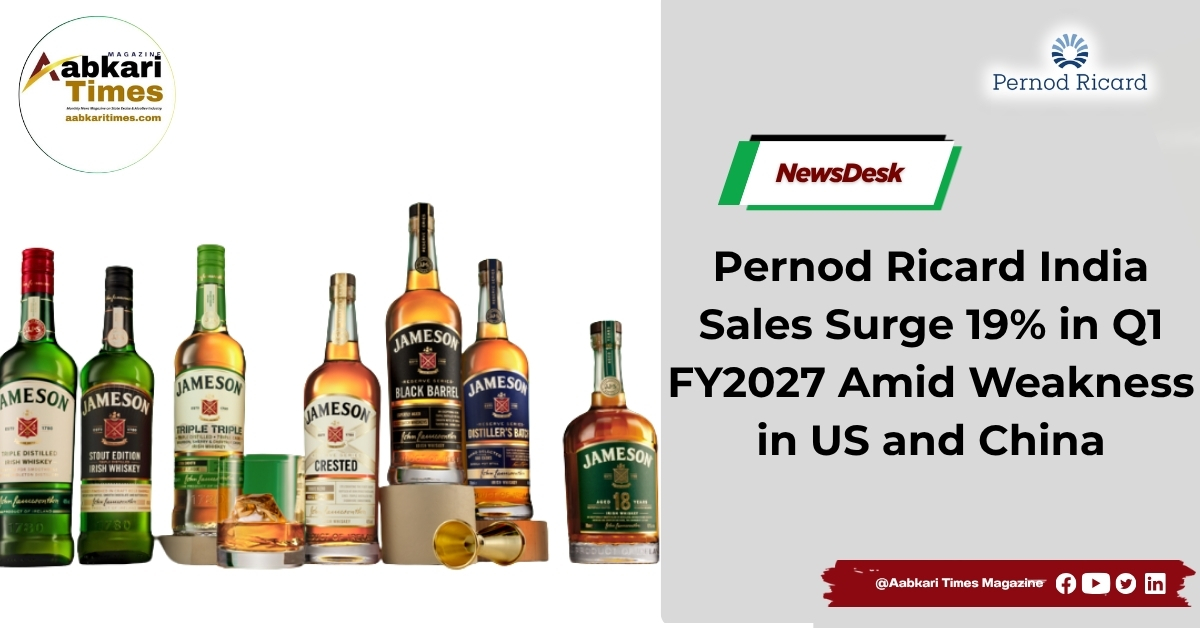
According to liquor traders, the impact varies by brand. Johnnie Walker Black Label has reportedly become 16% cheaper, while Red Label prices have fallen by 33%. Jameson Irish whiskey, previously priced at ₹2,900 per bottle, is now available for around ₹2,440. J&B whisky has recorded a 35% reduction, with its price dropping from ₹2,490 to ₹1,650.

However, lower import duties are intensifying competition for domestic premium whisky brands, including Teacher’s, Black & White, Rampur and Indriya. Traders argue that imported brands are gaining a pricing advantage as customs duties decline, while Indian products continue to face substantial state excise duties and other costs.
One trader cited a 12-bottle crate of Teacher’s whisky costing approximately ₹10,000 before an additional ₹16,000 in excise duty, taking the total to ₹26,000. Such tax differences, industry representatives argue, could make it harder for Indian manufacturers to compete with imported brands whose prices are falling.
 Andhra Pradesh Excise Department Tightens Liquor Surveillance Ahead of Local Body Elections
 Kerala Government to Announce New Liquor Policy by November, Says Excise Minister M. Liju
A senior Madhya Pradesh excise official warned that further reductions in customs duties, potentially bringing them down to 25% under the phased tariff schedule, could create additional pressure on domestic premium whisky producers. The official indicated that the state government may examine the issue while preparing its next excise policy.
 Madhya Pradesh Excise Commissioner Deepak Saxena acknowledged that lower customs duties have reduced imported liquor prices but said Indian manufacturers should focus on improving product quality and reducing manufacturing costs to remain competitive. He added that the state government would examine the concerns raised by domestic producers.
Meanwhile, liquor retailers in Bhopal are introducing premium sections where customers can browse high-end Indian and imported spirits. The trend reflects growing premiumisation in India’s alcoholic beverage market. However, the long-term impact on domestic brands will depend on taxation policies, pricing strategies and manufacturers’ ability to compete on quality and value.
About the Author