

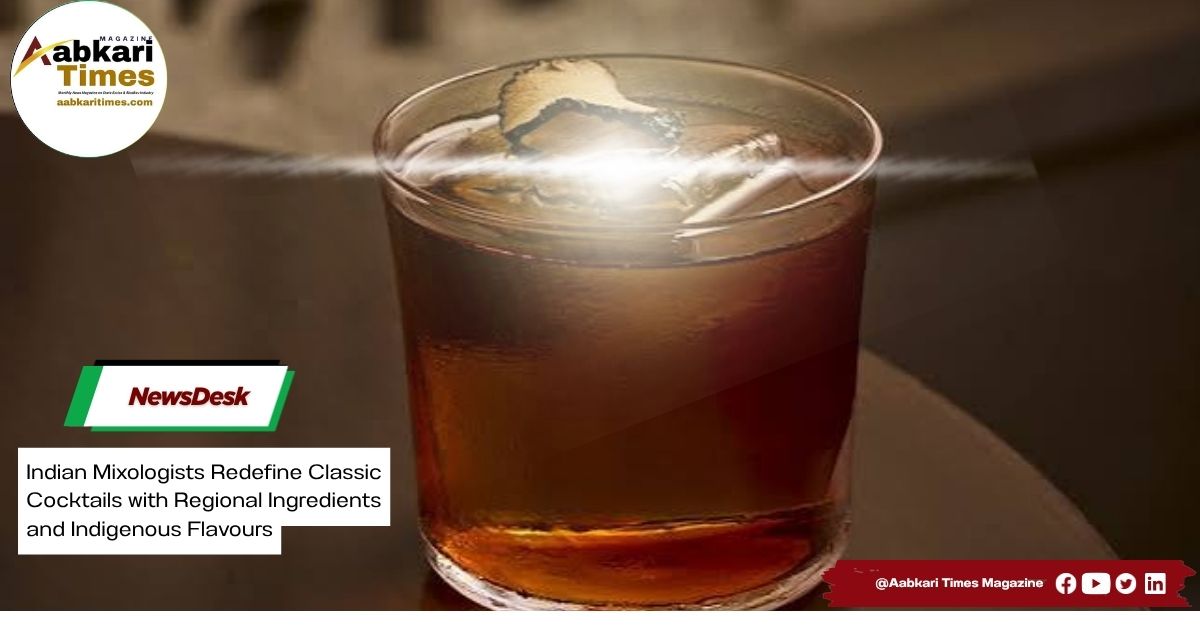
New Delhi: India’s cocktail culture is undergoing a creative transformation as a new generation of mixologists embraces indigenous ingredients, regional traditions and local storytelling to reinvent classic cocktails. From the Khasi Hills of Meghalaya to the Western Ghats and the Himalayas, bartenders are increasingly foraging for native botanicals and forgotten flavours that celebrate India’s rich culinary diversity.
Foraging Inspires New-Age Indian Cocktails
Jeet Rana and Chirag Pal, founders of Barbet & Pals in Delhi, recently travelled to Meghalaya—not to promote their bar, but to discover unique local ingredients. Among their finds were sohiong berries from the Khasi Hills, known for their sweet-tart flavour and used in Cherrapunji Eastern Craft Gin.
The native berry has since been incorporated into a new edition of the bar’s Bird’s Eye cocktail menu, reflecting the growing trend of using locally sourced ingredients in premium cocktails.
→ Allied Blenders Approves ₹125 Crore for 3 Million BL Malt Distillery in Aurangabad→ West Bengal Declares Maha Ashtami 2026 as Dry Day for Durga Puja
“Each cocktail becomes a journey across flavours and spaces,” says Jeet Rana.
Yangdup Lama Brings Nagaland’s Culture into Cocktails
Celebrity mixologist Yangdup Lama followed a similar approach while developing a special cocktail menu for The Brook, his Himalayan-inspired bar in Gurugram.
Inspired by Nagaland’s Hornbill Festival, Lama created the “O Soneko” cocktail menu, celebrating the state’s food traditions and cultural heritage.
Signature cocktails include:
- Sekrenyi – A blend of Johnnie Walker Black Label, Nagaland’s traditional sparkling rice beer zutho, and toasted black sesame, inspired by the Angami tribe’s Sanctification Festival.
- Tuluni – Whisky paired with rosella jam and balsamic vinegar, inspired by the Sumi tribe’s traditional rice wine served during festive celebrations.
The cocktails aim to tell stories of local communities, landscapes and traditions through flavour.
Regional Indian Cuisine Finds a Place Behind the Bar
At Nadoo Restaurant in Delhi, entrepreneur Shri Bala and partner Sahil Sambhi are translating iconic South Indian dishes into innovative cocktails.
Among the standout creations are:
- Sweet Silk – A rum-based dessert cocktail inspired by payasam, featuring palm jaggery, cashew, cardamom, vermicelli milk and edible camphor.
- Pepper Saaru – A savoury vodka cocktail combining clarified tomato, tamarind water, black pepper, citrus and curry leaf oil, inspired by the flavours of traditional rasam.
The menu reflects a growing trend of incorporating regional Indian culinary traditions into contemporary mixology.
Classic Cocktails Receive an Indian Makeover
Indian ingredients are also reshaping globally recognised cocktails.
The classic Gimlet has been reinvented as the Totapuri Gimlet, using the tangy Totapuri mango to create a refreshing tropical twist.
Meanwhile, Delhi restaurant Grammie, founded by chef-entrepreneur Tanveer Kwatra and Ginny Kohli, serves Wild Canopy, a cocktail featuring jamun, inspired by Japanese kakigori and cola flavours.
Regional Spirits Gain Global Recognition
Goa-based mixologist Pankaj Balachandran, known for Quinta Cantina, Boilermaker, and The Lab, believes cocktails today are about creating immersive experiences rather than simply serving drinks.
“It is not just about drinking a cocktail; it is about experiencing it,” Balachandran says.
His recent collaboration between Goa’s Quinta Cantina and Ropewalk at Galle Fort Hotel in Sri Lanka celebrated two iconic regional spirits—Goan feni and Sri Lankan arrack—highlighting the growing international appreciation for indigenous spirits.
Hapusa’s Forager’s Championship Celebrates Local Botanicals
The movement has also inspired competitions such as Hapusa Himalayan Dry Gin’s Forager’s Championship, which challenges bartenders to create cocktails using ingredients sourced from their local environments.
Among the finalists:
- Jitesh Koli of Amelia One, Mumbai drew inspiration from solkadhi, using foraged kokum and traditional fermentation techniques.
- Priya Mili of Terra Mayaa, Guwahati reimagined the classic Martini with clarified local tea and jolphai, a regional wild olive.
The winners were rewarded with an expedition to Lahaul, Himachal Pradesh, where they explored the natural habitat of wild Himalayan juniper, the signature botanical used in Hapusa Gin. The experience included trekking through Manali, Sissu and Miyar Valley, interacting with local communities and gaining a deeper understanding of the landscapes that inspire modern Indian cocktails.
India’s Cocktail Revolution is Rooted in Local Identity
From foraged berries and indigenous fruits to regional spices, fermented beverages and traditional recipes, India’s bartenders are redefining mixology by placing local ingredients at the centre of cocktail innovation. As premium bars continue to embrace regional storytelling, India’s diverse culinary heritage is becoming one of the country’s most distinctive ingredients behind the bar.
About the Author