
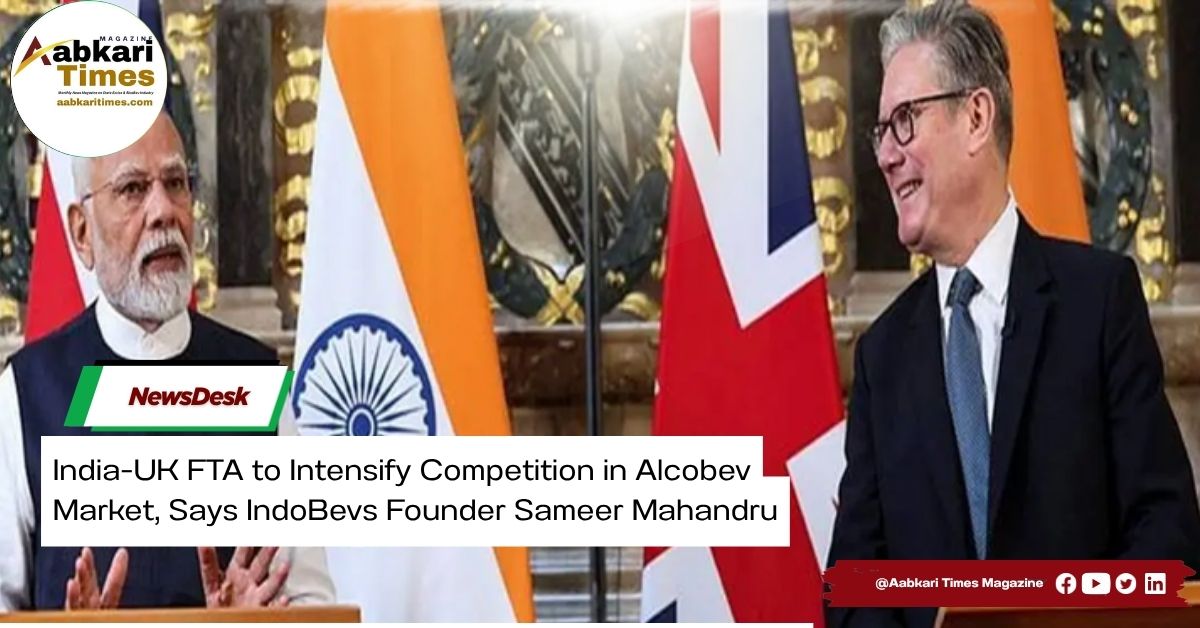
New Delhi: The reduction in import duty on British alcoholic beverages under the India-UK Free Trade Agreement (FTA) is expected to intensify competition in India’s alcoholic beverage market, but it will ultimately strengthen the domestic liquor industry by driving quality improvements, according to Sameer Mahandru, Founder of IndoBevs, the company behind the popular BroCode brand.
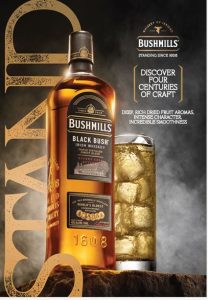
Speaking in an interaction with Financial Express, Mahandru said the duty cut on UK alcoholic beverages—from 150% to 75%, effective July 15—will create greater competition, particularly for Indian malt whisky producers. However, he believes the move will encourage domestic manufacturers to raise product quality while offering consumers better value.
“There will be higher competition for players making malt today and for companies like us that will enter the segment in the next couple of years. But competing with the best in the world will only make the Indian industry better,” Mahandru said.
Indian Companies Understand Local Consumers Better
Despite the entry of global Scotch whisky brands at lower import duties, Mahandru expressed confidence in Indian manufacturers’ ability to compete.
→ Bikram Basu appointed Vice Chairman of ABD Maestro→ Why the World Still Can't Agree on Alcohol: An Indian Perspective
According to him, international liquor companies may have stronger financial resources, but Indian companies possess a deeper understanding of local consumer preferences.
“We understand the Indian consumer far better than overseas companies ever can,” he said, highlighting localisation and consumer insights as key competitive advantages for domestic players.
Geopolitical Tensions Impact Alcobev Industry
Mahandru also noted that recent geopolitical developments have exposed vulnerabilities in the alcoholic beverage sector, which has traditionally been viewed as resilient during economic downturns.
He said the recent Iran conflict significantly disrupted supply chains, increased logistics challenges and pushed up raw material costs by 20–30%. Exports to West Asian markets were also affected, with shipments remaining disrupted for nearly six months before gradually resuming.
“We always believed our industry was immune to recessions or crises. But this is the first time we genuinely felt the heat,” he said.
Raw Material Costs Rise 20–30%
The IndoBevs founder said imported raw materials became difficult to procure during the conflict, while suppliers themselves struggled with inventory shortages due to shipping disruptions.
“Our raw material costs increased sharply, supplies got hampered and exports suffered. There isn’t much we can do because suppliers themselves don’t have stock and shipping has been disrupted,” Mahandru added.
IndoBevs Continues Expansion Plans
Despite near-term challenges, IndoBevs remains focused on expanding its premium portfolio. The company is investing approximately ₹200 crore in a malt distillery project and is diversifying its product portfolio while preparing for a future initial public offering (IPO).
The company believes rising competition following the India-UK FTA will encourage innovation and elevate quality standards across India’s alcoholic beverage industry, ultimately benefiting both producers and consumers.
About the Author