

Scotch whisky is becoming more affordable in parts of India, narrowing the price gap between imported Scotch brands and premium Indian whiskies. The change is encouraging some consumers to reconsider their usual whisky purchases while increasing competition for Indian whisky makers in the premium spirits segment.
Diageo has confirmed that the prices of its 750ml Johnnie Walker Red Label and Black Label bottles in Karnataka have declined since September. The price of Red Label has fallen from ₹2,810 to ₹2,620, while Black Label has dropped from ₹4,005 to ₹3,645. The price reductions follow the India-UK trade agreement, which cuts the import tariff on whisky from 150% to 75%. However, the final retail price of Scotch continues to vary across states depending on local taxes, duties and whether the spirit is bottled domestically.
Diageo was the first major company to announce Scotch whisky price reductions following the tariff change. The company said price revisions had already been implemented in seven states, with changes underway in four other markets. Delhi and Haryana, however, had not yet seen corresponding price reductions.
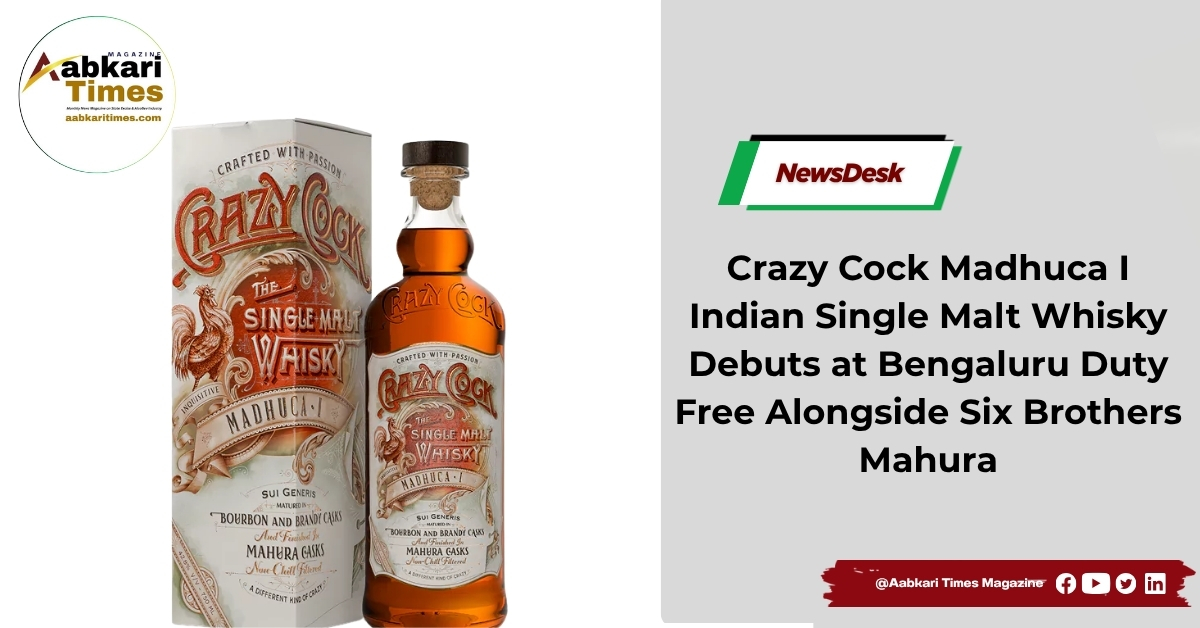
 Crazy Cock Madhuca I Indian Single Malt Whisky Debuts at Bengaluru Duty Free Alongside Six Brothers Mahura
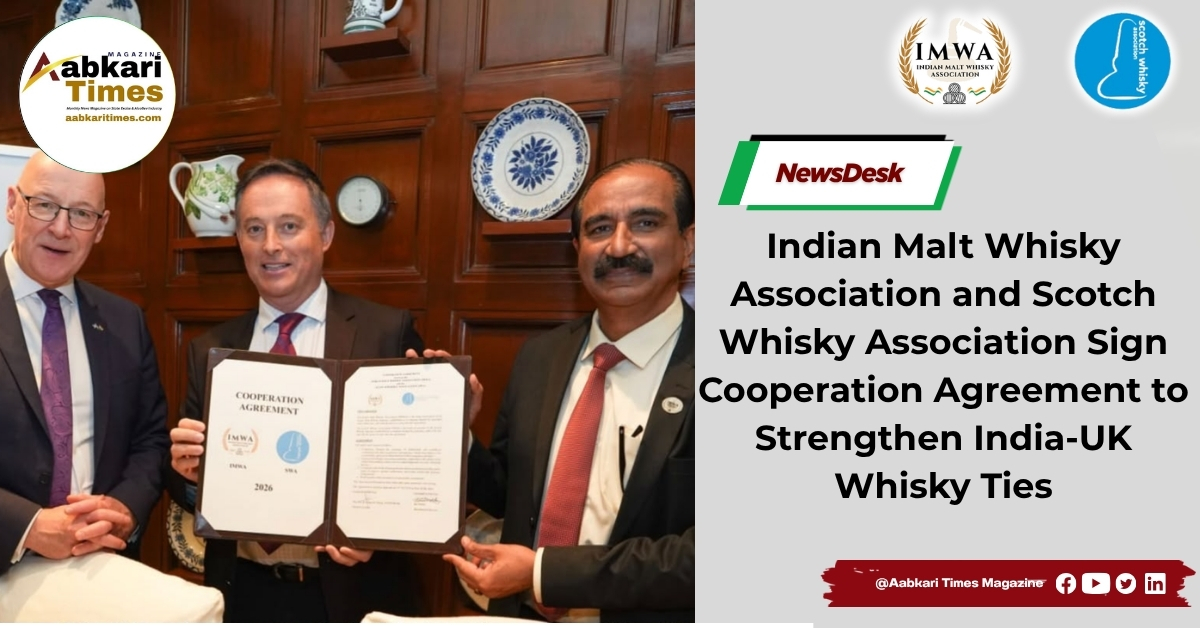
 Indian Malt Whisky Association and Scotch Whisky Association Sign Cooperation Agreement to Strengthen India-UK Whisky Ties
The price gap has narrowed even further for some brands because of local bottling. According to Nandish, operations head at Tonique in Bengaluru, the price of J&B whisky had declined from ₹2,835 to ₹1,375 for a 750ml bottle. He attributed the reduction to local bottling, although Diageo has not independently confirmed this explanation.
The changing Scotch whisky prices are also creating greater overlap with premium Indian whisky brands. At Tonique, a 750ml bottle of Woodburns was priced at around ₹2,500, while Paul John Nirvana, an Indian single malt whisky, was available at ₹2,360. Glenfiddich 12, meanwhile, was priced at ₹5,275 for 700ml, compared with ₹5,610 earlier.
Indian single malt producers acknowledge that more affordable Scotch could intensify competition. John Distilleries, the producer of Paul John Indian Single Malts, said Scotch whisky benefits from decades of consumer familiarity, strong brand equity and cultural associations. However, the company highlighted Indian provenance, craftsmanship and distinctive flavour as key strengths of its own portfolio. It added that greater accessibility of established Scotch single malts would increase competitive intensity, while the company would continue to monitor price trends and focus on bringing more consumers into the Indian single malt category.
Amrut Distilleries is also seeing increasing price overlap between its whiskies and Scotch brands. Amrut Amalgam was priced at around ₹2,000 for 500ml at Tonique, while Amrut Fusion carried a Karnataka MRP of ₹3,500 for a 750ml bottle. This is only ₹145 lower than the ₹3,645 price of Johnnie Walker Black Label in the state. Amrut said the growing overlap in prices had not had a significant impact on its business so far.
Radico Khaitan has similarly maintained its focus on the premium positioning of brands such as Royal Ranthambore and Rampur. The company’s strategy indicates that Indian whisky makers are increasingly relying on brand equity, provenance, craftsmanship and premiumisation to differentiate themselves as imported Scotch becomes more accessible.
The reduction in Scotch whisky prices could therefore reshape India’s premium whisky market. As import duties fall and retail prices become more competitive in select states, consumers may have more choices across Scotch, Indian single malts and premium Indian blended whiskies. The emerging price overlap is likely to make brand positioning, product quality and consumer loyalty increasingly important in the rapidly expanding Indian whisky market.
About the Author