
Leh, May 31, 2026: Lieutenant Governor Vinai Kumar Saxena has approved Ladakh’s new Excise Policy 2026-27, increasing liquor retail outlets from just 2 to 20 across the Union Territory, permitting the sale of foreign liquor and IMFL through retail vends for the first time, and introducing a technology-enabled, transparent regulatory framework. The 20 new vends will be allotted through e-auction — a significant governance reform aimed at eliminating discretionary allotments and ensuring revenue maximisation for the UT administration.
The previous excise regime in Ladakh was restricted to beer, wine and ready-to-drink beverages, with hard liquor entirely unavailable at authorised outlets. This had created an “artificial scarcity” that prompted tourists to carry liquor from outside Ladakh, causing direct revenue loss to the UT. The administration stated that the unavailability of hard liquor was pushing residents — particularly in remote districts — towards illegal narcotic substances and psychotropic drugs, a concern consistently raised across community consultations with civil society organisations, NGOs and religious groups.
The 20 outlets will now be spread across Ladakh’s newly created districts of Nubra, Changthang, Sham and Zanskar — providing tourists and residents greater accessibility across the region, where earlier liquor was only available in Leh city. On the revenue side, the annual fee for wholesale licences has been raised from ₹3.5 lakh to ₹5 lakh, the base price for retail vends in Leh municipal wards fixed at ₹60 lakh, and at ₹30 lakh for other areas.
 Odisha Collects ₹24,455 Crore in Excise Duty Over Five Years, CAG Report Reveals
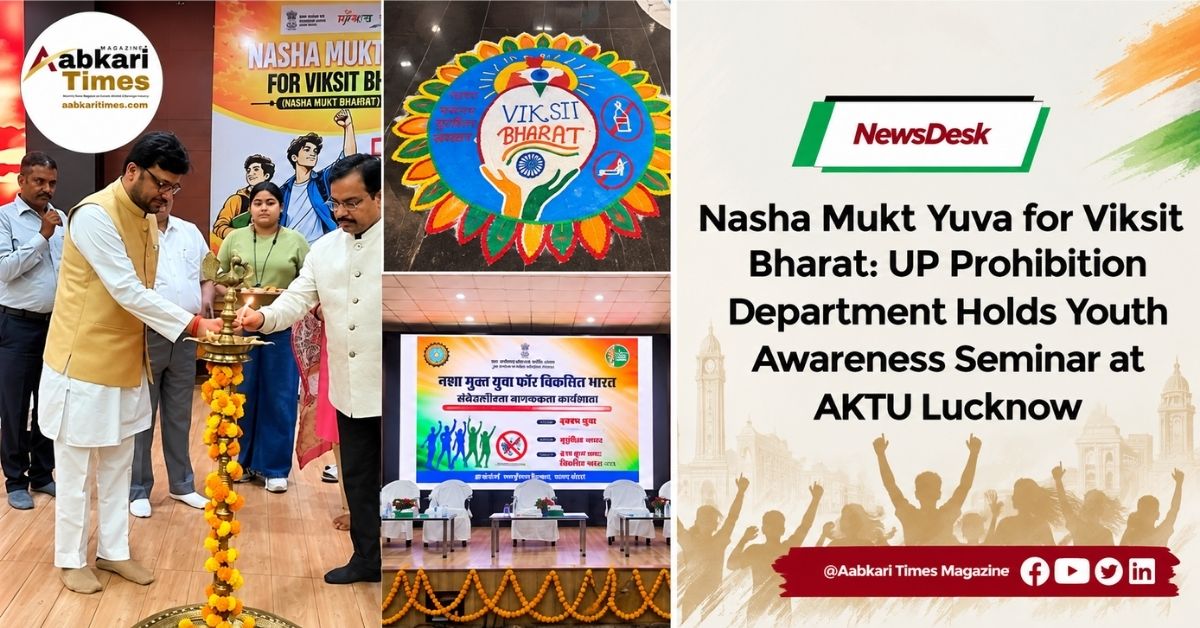
 Nasha Mukt Yuva for Viksit Bharat UP Prohibition Department Holds Youth Awareness Seminar at AKTU Lucknow
Lieutenant Governor Vinai Kumar Saxena, approving the policy, said the new framework introduces “a liberalised, transparent and technology-enabled regulatory framework aimed at balancing public convenience, tourism promotion, revenue optimisation and effective and efficient regulation of liquor trade.” The policy was finalised after extensive consultations with civil society organisations, NGOs, religious bodies and public representatives, with rising drug dependency cited as the primary driver for liberalisation.
The new policy also delivers sweeping reforms for the hospitality and tourism sector. Guests can now consume liquor anywhere within hotel premises, including inside rooms — previously consumption was restricted to designated bar areas only. For the first time, retail vending of liquor has been permitted in guest houses and homestays on payment of licence fees — a move that directly benefits Ladakh’s large and growing homestay economy. On the licensing side, the mandatory Tourism Department registration requirement has been replaced with simple GST registration, and the number of documents required for an excise licence has been slashed from 16 to just 6.
A dedicated committee examined aspects including public convenience, prevention of illicit liquor trade, societal impact, excise revenue augmentation, transparency in allotment of vends, streamlining of licensing procedures, digitisation of departmental processes and strengthening of enforcement mechanisms before the policy was finalised — indicating that the liberalisation comes with a robust regulatory backbone rather than being a blanket deregulation.

Ladakh attracts hundreds of thousands of domestic and international tourists annually, yet its near-total absence of authorised hard liquor had long been a sore point for the hospitality industry and a disadvantage compared to neighbouring Himachal Pradesh and Jammu & Kashmir. The introduction of e-auction-based vend allotment, digital licensing processes and GST-based eligibility signals that Ladakh is building a modern, corruption-resistant excise architecture from the ground up — rather than simply copying older state models.
With e-auctions for the 20 vends expected to be conducted shortly, all eyes will be on how quickly the new outlets become operational across Ladakh’s remote districts — and whether the administration’s bet that wider legal liquor availability will reduce drug dependency plays out on the ground. For the alco-bev industry, Ladakh’s tourism-driven market, while small in volume today, represents an untapped premium opportunity as the region’s visitor numbers continue to grow year on year.
About the Author