
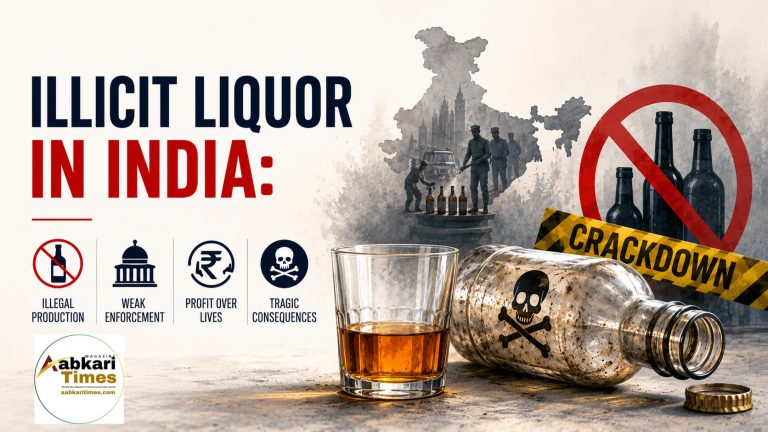
Recurring Hooch Tragedies Expose Deep Regulatory Failures
India continues to witness deadly incidents linked to illicit liquor consumption, with major tragedies reported over the years in states such as Tamil Nadu, Gujarat, Uttar Pradesh, Bihar, Punjab, Assam, Maharashtra, and others. Despite repeated promises of reform after large-scale fatalities, the problem remains deeply entrenched. The recent hooch tragedy in Pune and Pimpri-Chinchwad, which claimed several lives, once again highlights the persistent gaps in enforcement, regulation, and public health safeguards.
How Methanol Becomes a Deadly Ingredient in Illicit Alcohol
Preliminary investigations into recent incidents indicate that industrial-grade methanol, a highly toxic chemical, is often illegally diverted and mixed with ethanol to manufacture counterfeit country liquor. Methanol significantly increases the volume of alcohol produced at a minimal cost, making it highly profitable for illegal operators. However, even small quantities of methanol can cause blindness, organ failure, and death, making it one of the most dangerous substances used in the illicit liquor trade.
High Alcohol Taxes Fuel Demand for Illegal Liquor
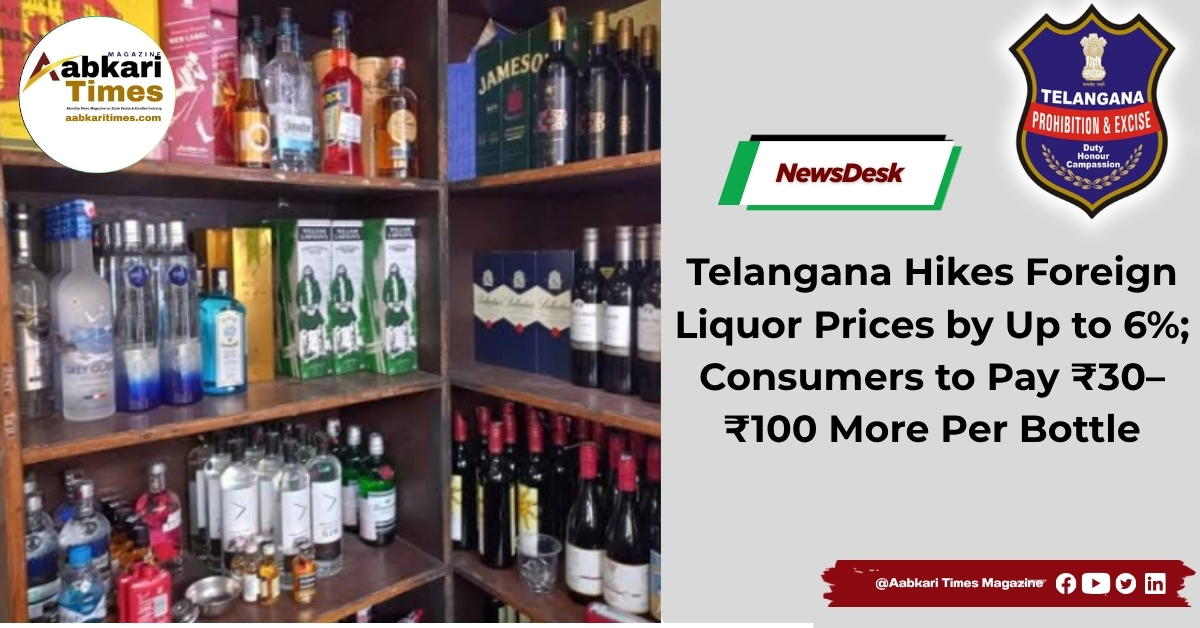
One of the key factors driving the illicit liquor market is the high cost of legally available alcohol. State governments rely heavily on excise revenue, resulting in substantial taxes on alcoholic beverages. For economically weaker sections, particularly daily wage labourers, legal alcohol often becomes unaffordable. As a result, many consumers turn to cheaper, unregulated alternatives despite being aware of the health risks involved.
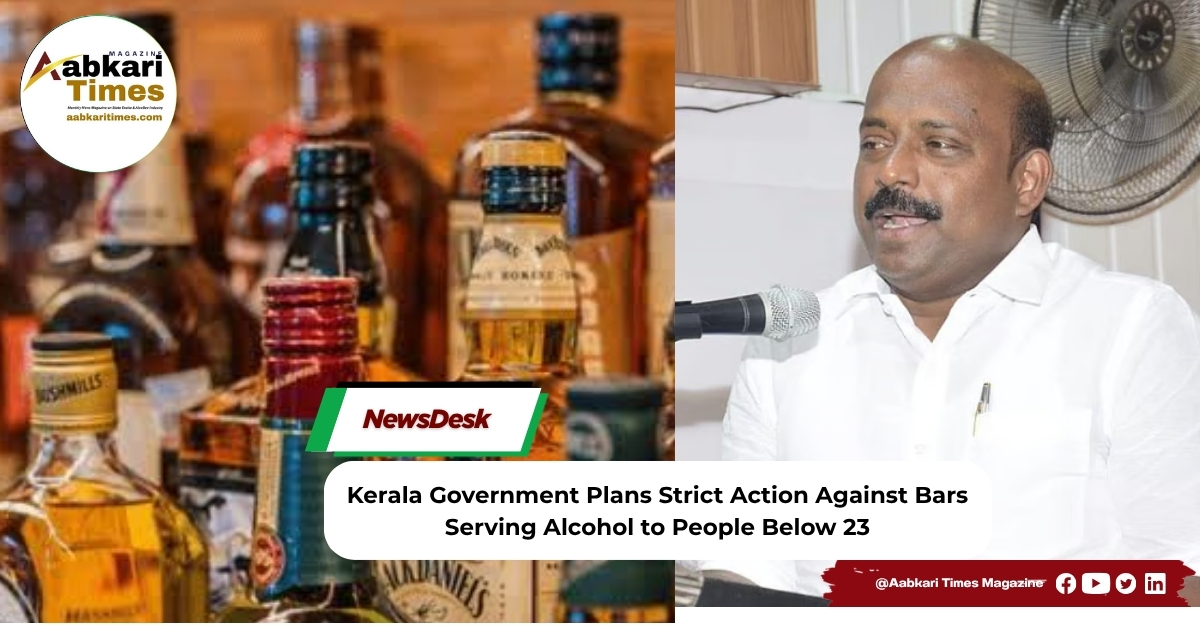
 Kerala Government Plans Strict Action Against Bars Serving Alcohol to People Below 23
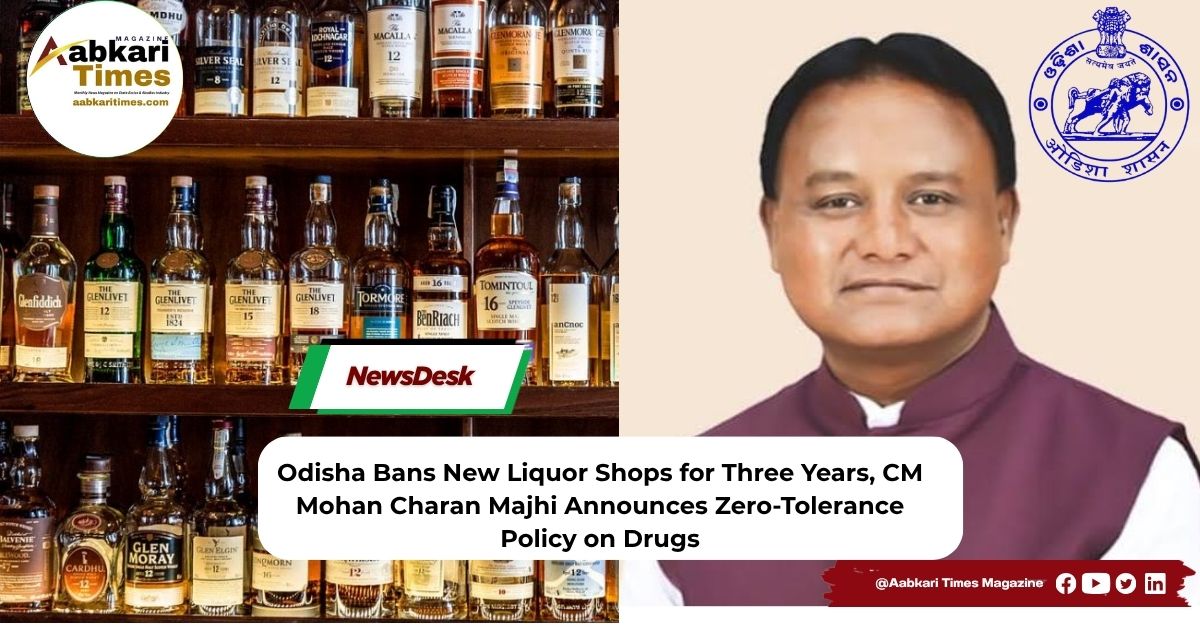
 Odisha Bans New Liquor Shops for Three Years, CM Mohan Charan Majhi Announces Zero-Tolerance Policy on Drugs
Weak Monitoring Allows Methanol Diversion and Illegal Networks to Thrive
Experts have repeatedly pointed to loopholes in the monitoring and tracking of industrial methanol. Large quantities of the chemical are used in various industries, but inadequate oversight often allows portions of it to be diverted into illegal liquor manufacturing. These operations are rarely isolated activities; instead, they often involve organised supply chains that operate openly in local areas with little fear of detection. Allegations of collusion or negligence by local authorities frequently emerge after such incidents, underscoring the need for stronger accountability mechanisms.
Prohibition Policies and Black Markets: An Unintended Consequence
Several studies have suggested that complete alcohol prohibition may unintentionally strengthen illicit liquor networks. States with strict prohibition laws often witness the growth of underground markets controlled by criminal syndicates, where quality control is non-existent and enforcement becomes increasingly difficult. Public health experts argue that excessively restricting access to legal alcohol without addressing underlying demand can push vulnerable consumers toward unsafe alternatives.
Stronger Enforcement and Affordable Alternatives Are Essential
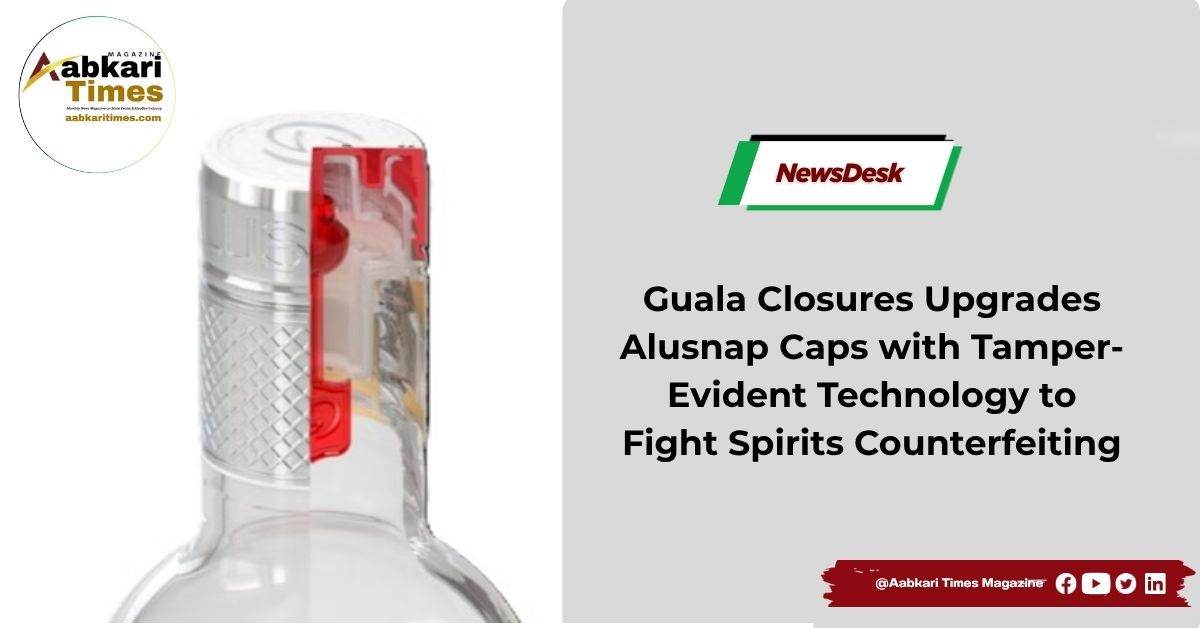
Addressing India’s illicit liquor crisis requires more than periodic crackdowns following major tragedies. Experts recommend comprehensive reforms, including stricter methanol tracking systems, stronger investigations targeting major suppliers and syndicates, faster convictions, and improved accountability among enforcement agencies. Equally important is the need to provide safer and affordable alternatives for low-income consumers. Without sustained political commitment and structural reforms, illicit liquor is likely to remain a recurring public health challenge across the country.
About the Author