
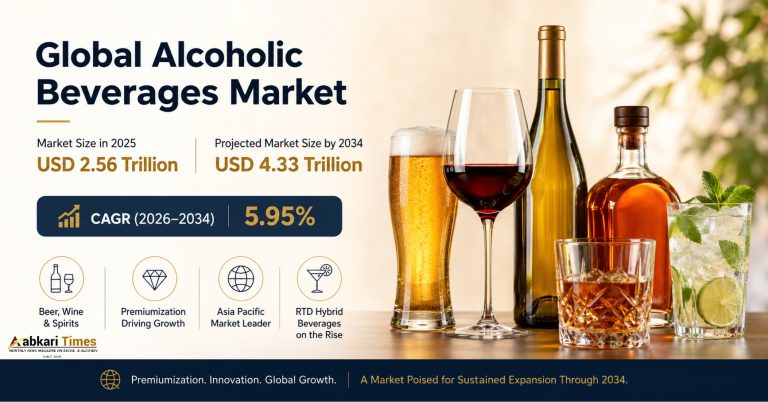
The global alcoholic beverages market continues to expand steadily, driven by changing consumer preferences, rising disposable incomes, and growing demand for premium products. Valued at approximately USD 2.56 trillion in 2025, the market is expected to reach USD 4.33 trillion by 2034, growing at a compound annual growth rate (CAGR) of 5.95% between 2026 and 2034.
Alcoholic beverages generally fall into three major categories: beer, wine, and spirits. Production methods vary depending on the beverage type. Beer is produced through the fermentation of malted barley and hops, wine is made by fermenting crushed grapes, while spirits are created by fermenting sugars or starches derived from grains, fruits, molasses, potatoes, and other agricultural ingredients before undergoing distillation to increase alcohol concentration.
Premiumization Driving Market Expansion
One of the strongest growth drivers in the alcoholic beverages industry is the increasing consumer preference for premium and craft products. Manufacturers are introducing beverages made with high-quality, natural, and functional ingredients to attract consumers seeking unique drinking experiences.
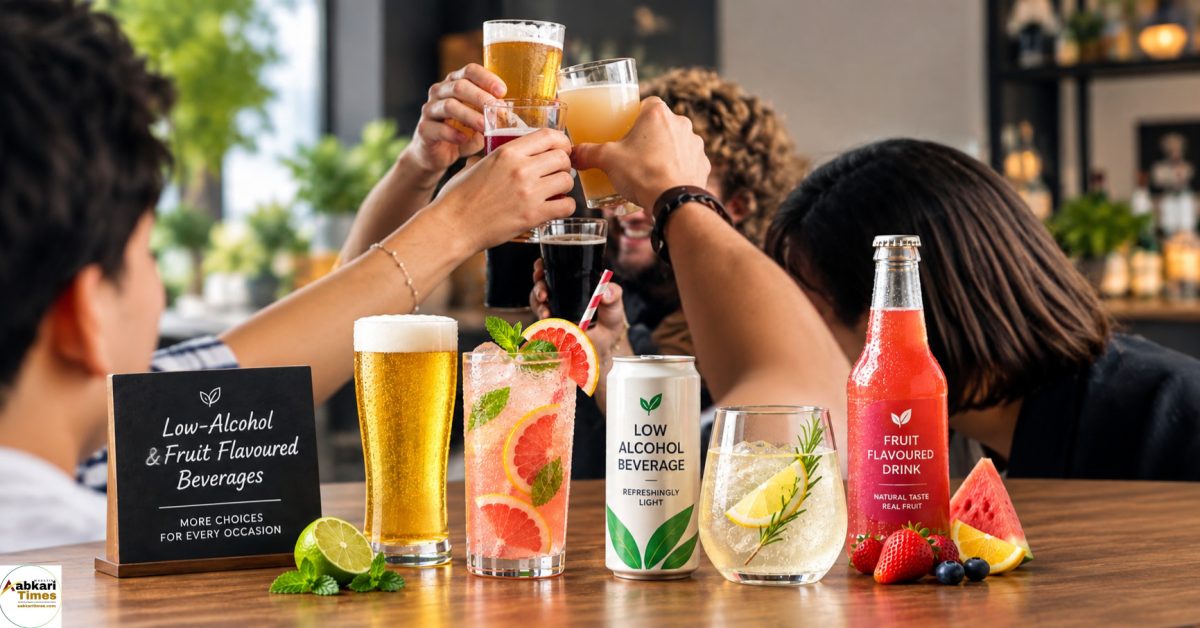
 India’s Alcobev Market Sees Growing Interest in Low-Alcohol and Fruit-Flavoured Drinks
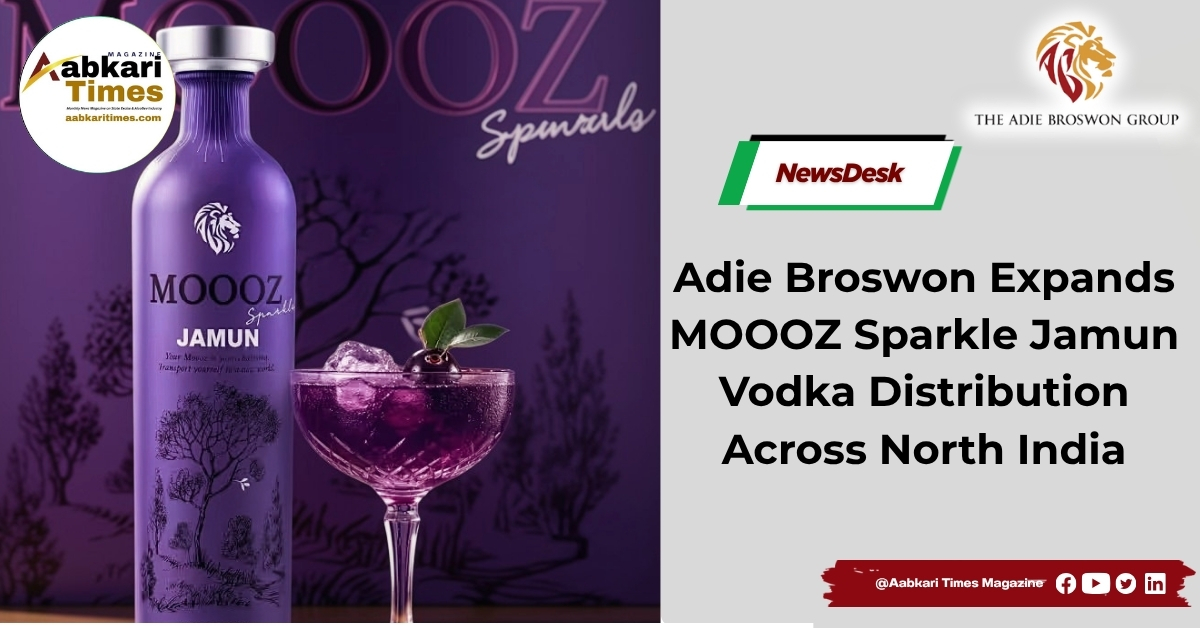
 Adie Broswon Expands MOOOZ Sparkle Jamun Vodka Distribution Across North India
Companies are actively expanding their premium portfolios through product launches and strategic investments. In India, for example, DeVANS Modern Breweries expanded into the premium craft gin segment in 2025, reflecting the broader trend of consumers shifting toward premium spirits and artisanal alcohol products.
Growing interest in premium alcohol is particularly evident among younger consumers, who increasingly prioritize quality, authenticity, and distinctive flavors over traditional mass-market offerings.
Asia Pacific Leads the Global Market
Asia Pacific remains the largest regional market for alcoholic beverages, accounting for more than 40% of global sales. The region’s dominance is supported by rapid urbanization, rising middle-class incomes, increasing purchasing power, and evolving social lifestyles.
Consumers across countries such as China, India, Japan, and South Korea are showing greater interest in premium spirits, imported brands, and innovative beverage formats. Major industry players are strengthening their regional presence through acquisitions, partnerships, and market expansion initiatives to capture growing demand.
Distilled Spirits Continue to Dominate
Among product categories, distilled spirits hold the largest share of the global market. Rising consumer enthusiasm for premium whiskey, gin, vodka, tequila, and other spirits has fueled growth across developed and emerging markets alike.
The increasing number of craft distilleries and the influence of social media marketing have also contributed to stronger consumer awareness and trial of new spirit brands. Premium and super-premium offerings continue to attract consumers willing to pay higher prices for quality and exclusivity.
Key Country-Level Growth Trends
United States
The U.S. alcoholic beverages market benefits from strong demand for premium spirits and the rising popularity of spirit-based ready-to-drink (RTD) beverages, including vodka sodas and canned cocktails. A thriving wine industry also supports tourism and regional economic development.
Germany
Germany remains one of Europe’s leading beer markets, supported by a long-established brewing tradition and increasing interest in craft and specialty beers. Consumers continue to seek innovative flavors and locally produced options.
India
India is emerging as one of the fastest-growing alcohol markets globally. Rising disposable incomes, urbanization, and changing consumer preferences are driving demand for premium products. International beverage companies are also expanding operations in the country to capitalize on long-term growth opportunities.
Brazil
Brazil’s expanding middle class is boosting demand for premium and flavored alcoholic beverages. Younger consumers, particularly millennials and Generation Z, are increasingly exploring premium spirits and unique flavor profiles.
Middle East and Africa
The Middle East and Africa region is witnessing growing demand for spirits such as whiskey and gin. Urbanization, improving income levels, and changing consumption habits are supporting market growth across several countries.
Ready-to-Drink Hybrid Beverages Emerging as a Major Trend
The rapid rise of Ready-to-Drink (RTD) hybrid beverages is transforming the alcoholic beverages industry. These products combine elements from multiple beverage categories to create innovative flavor experiences and convenient consumption formats.
Manufacturers are experimenting with combinations such as rum-infused coffee liqueurs, tequila-rum blends, tea-based alcoholic drinks, and spirit-infused sparkling beverages. Consumers, particularly younger demographics, are increasingly attracted to these products because of their convenience, premium positioning, and unique taste profiles.
Innovation in flavor development is also reshaping the beer segment. Breweries are introducing fruit-infused, botanical, and specialty-flavored beers to appeal to adventurous consumers willing to explore new taste experiences.
Additionally, tasting rooms and experiential marketing initiatives are becoming important tools for beverage companies, allowing consumers to sample new products and contribute feedback that helps shape future innovations.
Market Outlook
The outlook for the global alcoholic beverages market remains positive as premiumization, product innovation, and evolving consumer preferences continue to reshape the industry. Growth in emerging economies, combined with increasing demand for premium spirits and ready-to-drink beverages, is expected to create significant opportunities for manufacturers over the coming decade.
As brands invest in innovation, premium offerings, and new beverage formats, the global alcoholic beverages industry is poised for sustained expansion through 2034.
About the Author