
Bhubaneswar: The Odisha government is stepping up efforts to control illegal liquor trade while improving excise revenue under its new policy framework, Excise Minister Prithiviraj Harichandan said on Monday.
The minister chaired a high-level review meeting at Lok Seva Bhawan to assess how the new excise policy is being implemented. One of the key changes discussed was replacing the existing Minimum Guaranteed Quantity (MGQ) system with a new Minimum Guaranteed Excise Revenue (MGER) model.
Harichandan explained that the new system will reduce pressure on liquor vendors to meet fixed sales targets, helping create a more balanced and sustainable business environment. He added that the main focus right now is ensuring a smooth transition from the old system to the new one.
 Odisha Collects ₹24,455 Crore in Excise Duty Over Five Years, CAG Report Reveals
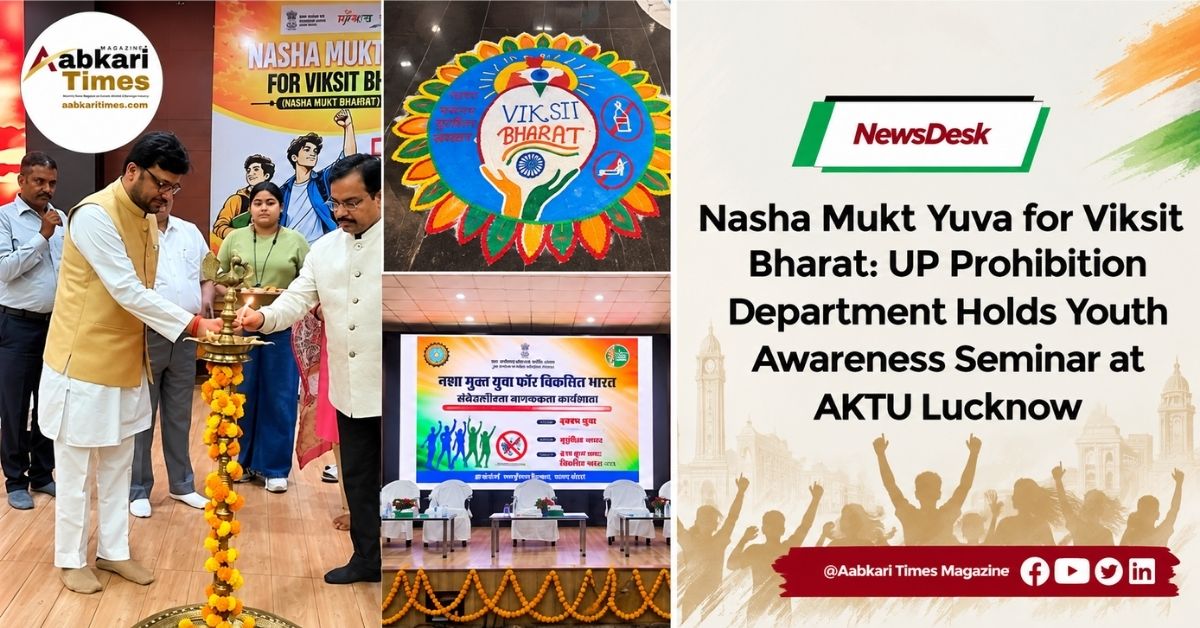
 Nasha Mukt Yuva for Viksit Bharat UP Prohibition Department Holds Youth Awareness Seminar at AKTU Lucknow
The government is also working to make the liquor shop allocation process more transparent. The National Informatics Centre (NIC), which is developing an e-lottery system, gave a presentation on how shops—whether retail, bar, or premium outlets—will be allotted.
In a separate meeting with Out Still (OS) liquor vendors, the minister reviewed production practices and stressed the importance of maintaining hygiene and cleanliness. Vendors were also encouraged to adopt modern techniques to improve efficiency, especially in using mahua flowers, a key raw material.
To tackle black marketing, the minister advised vendors to purchase mahua directly from traders instead of going through middlemen. This move is expected to ensure fair prices for local collectors while making the supply chain more transparent and accountable.
About the Author