

Global liquor companies are increasingly looking at India as a key growth market, especially as demand slows down in Europe and North America. But instead of entering the market on their own, many are choosing to partner with Indian companies to succeed in this complex and fast-growing space.
India’s alcohol market is expanding steadily, with strong growth in the premium segment. Rising incomes, a young population, and changing lifestyle preferences are encouraging consumers to upgrade and experiment with new categories like tequila, aperitifs, and liqueurs, beyond traditional whisky and beer.
However, India is not an easy market to crack. Each state has its own excise laws, taxes, and distribution systems, making it more like a collection of smaller markets rather than one single market. This makes it difficult for global brands to operate independently and scale quickly.
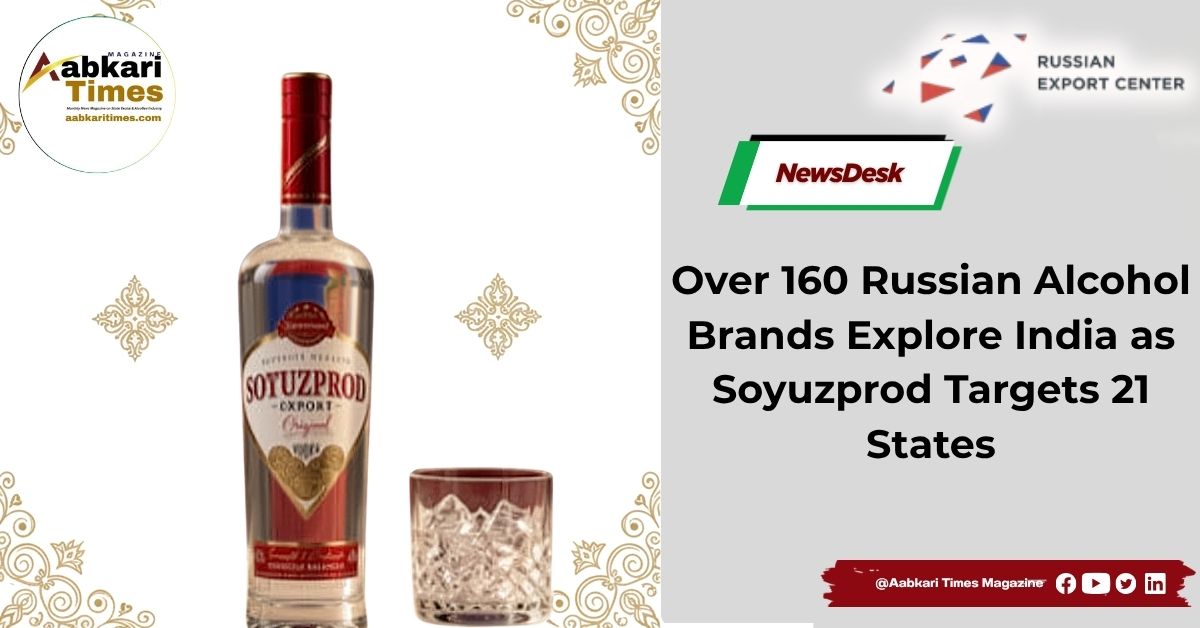
 Over 160 Russian Alcohol Brands Explore India as Soyuzprod Targets 21 States
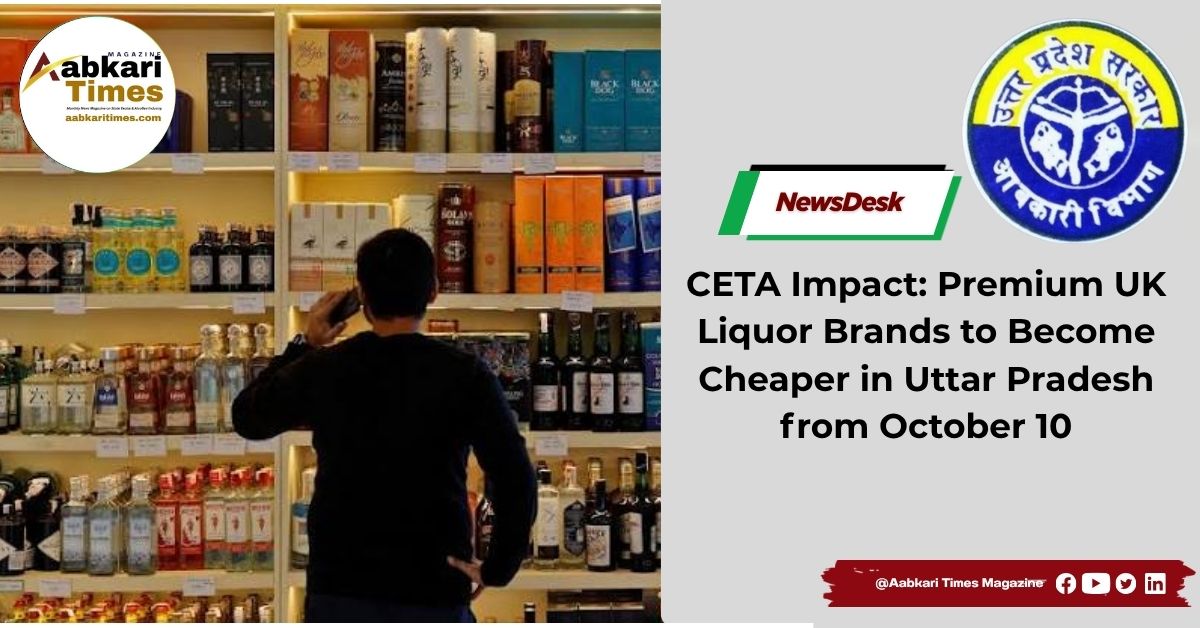
 CETA Impact Premium UK Liquor Brands to Become Cheaper in UP from October 10
That’s why partnerships with local players are becoming crucial. Indian companies bring deep knowledge of regulations, strong distribution networks, and a better understanding of consumer behaviour across different regions. These partnerships help global brands enter the market faster and more effectively.
Experts say that simply having a global brand name is not enough in India. Companies need to carefully position each product based on price, target audience, and drinking occasions. A well-planned portfolio ensures that different brands complement each other instead of competing.
The next phase of growth in India is being driven by premiumisation and the discovery of new categories. But building these categories requires effort—brands need to educate consumers, create new drinking occasions, and build awareness.
Success in India also depends heavily on on-ground execution. Strong relationships with hotels, bars, retailers, and bartenders play a big role in influencing consumer choices. Without this engagement, even well-known global brands may struggle to gain traction.
Industry experts highlight that operating in India’s alco-bev sector is complex and capital-intensive due to varying state laws. In such a scenario, having a reliable local partner can make a significant difference.
Overall, India offers huge opportunities for global liquor brands, but success depends on the right local strategy. Partnerships with Indian companies are no longer optional—they are becoming the key to long-term growth in this high-potential but challenging market.
About the Author