
The All Ladakh Liquor Traders Association has questioned climate activist Sonam Wangchuk’s demand to declare Ladakh a dry Union Territory, while also raising concerns over the government licence for his home-grown apple wine brand, ‘Ule Topo’. The association has asked whether the brand has the necessary approvals to sell its products and why the administration has not taken action if the required licence is absent.
At a press conference on Saturday, association representatives accused Wangchuk of taking inconsistent positions on alcohol consumption. They questioned why liquor was being singled out for prohibition while issues such as drug use, smoking and meat consumption were not being addressed with similar demands. They also referred to traditional alcoholic beverages such as chang, asking why some forms of alcohol were viewed differently. The traders said they would support prohibition if restrictions were applied consistently, but urged Wangchuk not to undermine their livelihoods.

The development follows protests by four women’s organisations demanding the withdrawal of Ladakh’s liquor policy and the declaration of the Union Territory as a dry region. The organisations include the Ladakh Buddhist Association Women Wing, Anjuman-e-Imamia Women Wing, Anjuman Moin-ul-Islam Women Wing and Christian Community Women Wing. They had raised concerns about new liquor shops and bar licences, citing potential effects on young people, society and Ladakh’s cultural and religious values.
On October 30, Wangchuk announced that the organisations had temporarily suspended their protest after the administration agreed to their demands in principle and sought a week to provide the commitment in writing. The decision followed a letter issued by the UT Home Department on October 29.
 White Wine Gains Ground in China, Nears 30% Share as Consumer Preferences Shift
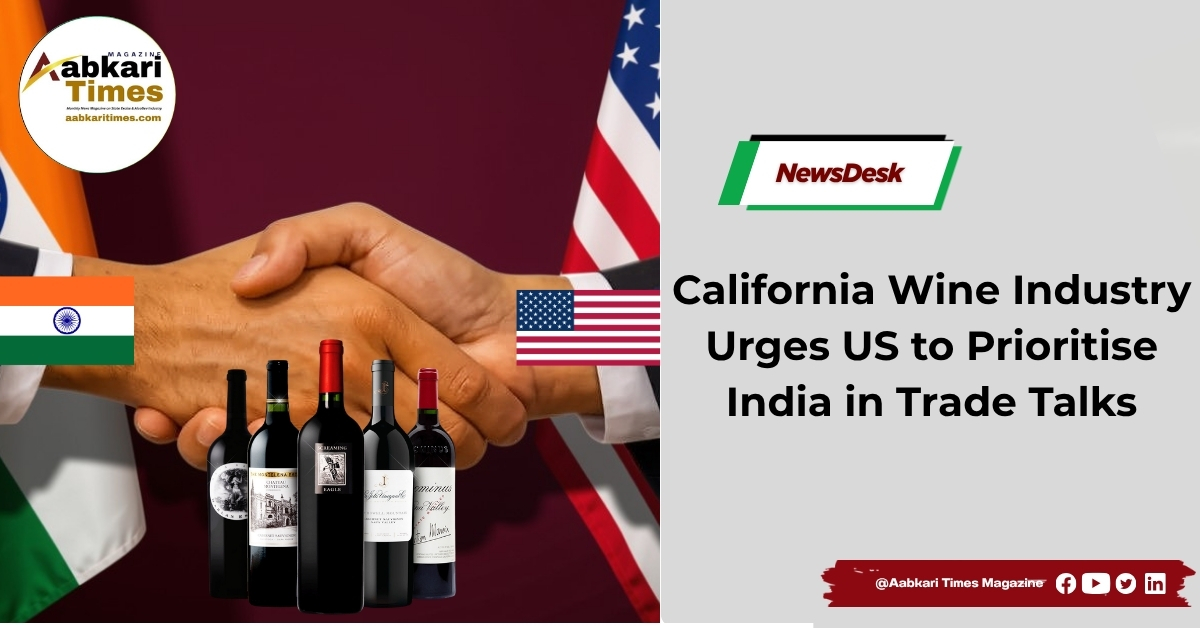
 California Wine Industry Urges US to Prioritise India in Trade Talks
The controversy has also prompted a public disagreement between Wangchuk and the Ladakh administration. The administration rejected his October 22 allegations that liquor shops and bars were being opened in residential neighbourhoods and near schools, describing the claims as baseless.
According to the administration, the Excise Policy 2026-27, introduced on June 1, was withdrawn on August 26 following public feedback, and the 2025-26 policy was reinstated. Under the existing policy, only one of two permitted liquor shops in Leh was operational after an October 14 auction. The administration also reported 50 liquor outlets attached to restaurants and bars across Ladakh, along with two beer bars in Leh, stating that licences were issued subject to prescribed distance and regulatory requirements.
About the Author