
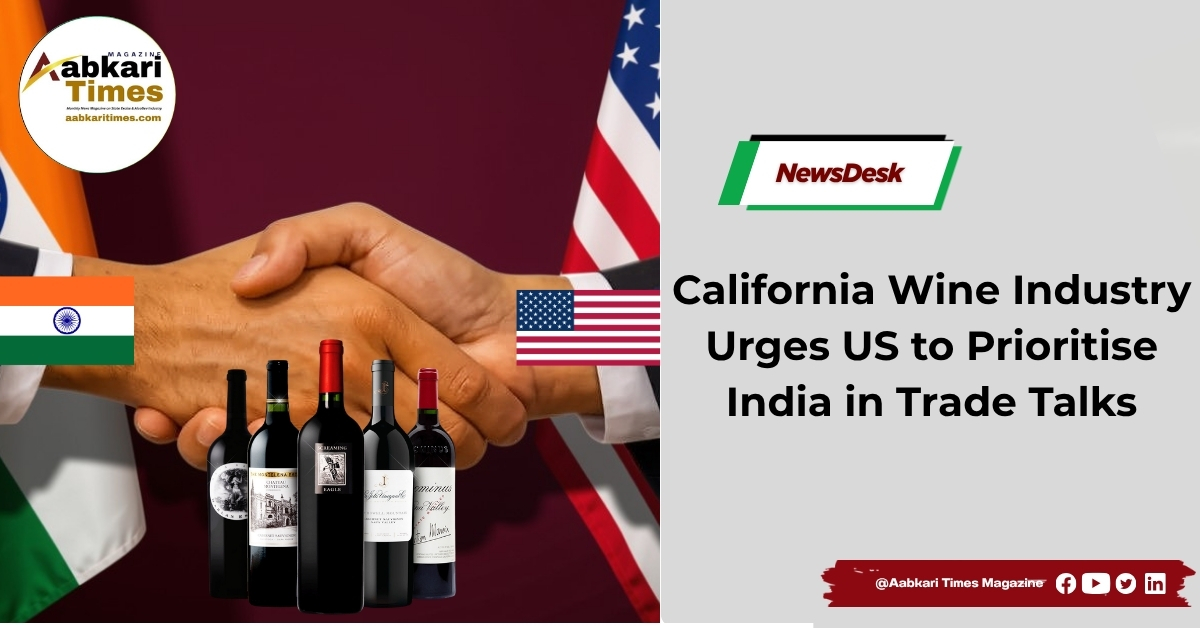
California’s wine industry is urging the United States government to prioritise India and Vietnam in trade negotiations to expand American wine exports. Republican Congressman James Gallagher, in a letter dated October 8, 2026, called on US Trade Representative Jamieson Greer to address barriers affecting American wine producers in international markets. The appeal comes as India and the United States continue discussions on bilateral trade arrangements, bringing wine tariffs and agricultural market access into focus.
India represents a potential growth market for California wine producers, particularly in the premium segment. However, high import duties and other market-entry barriers have limited the competitiveness of American wines. Gallagher believes improved market access could help California growers diversify exports and offset challenges in traditional markets.

The push comes amid declining domestic wine consumption in the United States and reduced access to Canada amid bilateral trade tensions. These pressures have intensified calls for policies that improve returns for winegrape growers and strengthen the industry’s international competitiveness.
Gallagher has also raised concerns about US domestic regulations. One issue involves labelling rules administered by the Alcohol and Tobacco Tax and Trade Bureau (TTB), under which wine labelled American or United States can contain at least 75% American-grown agricultural products. Industry representatives argue that allowing some foreign-grown content without disclosing its origin could disadvantage domestic grape growers.
 Kerala Government Revokes Horti-Wine Licence Granted to Thrissur Bakery, Transfers Excise Officer
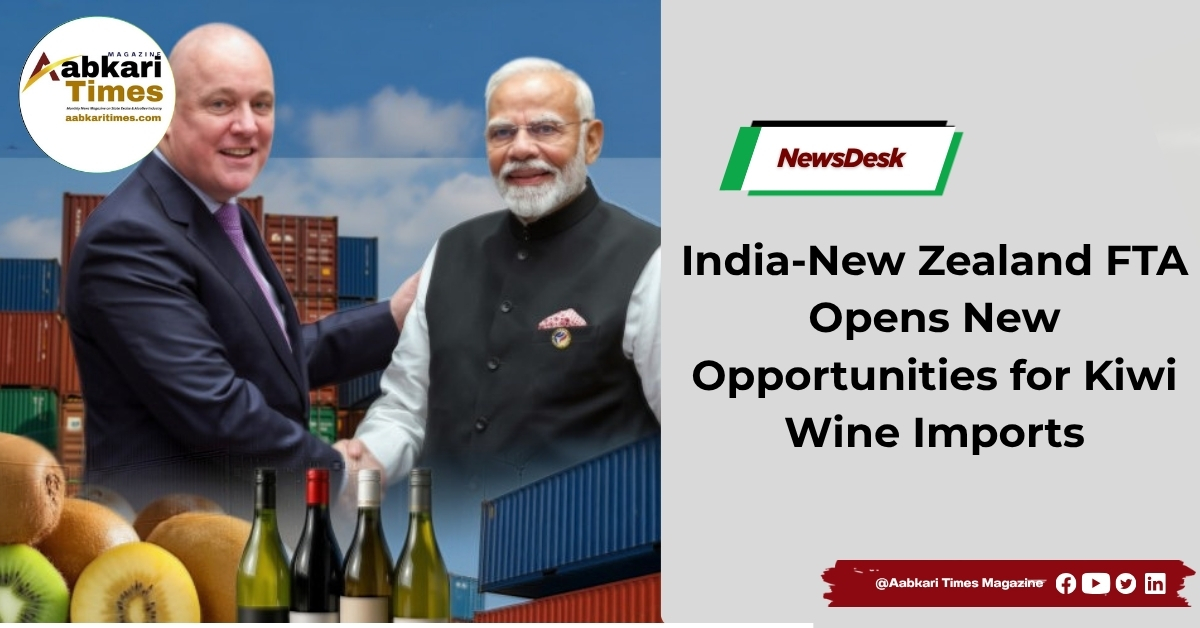
 India-New Zealand FTA Opens New Opportunities for Kiwi Wine Imports
Another concern relates to federal duty-drawback provisions, which allow qualifying businesses to recover certain duties or taxes associated with imported inputs used in exported products. Gallagher has questioned whether these arrangements create competitive disadvantages for producers relying on American-grown grapes. He has also called for closer scrutiny of the customs and tax treatment of certain bulk wine imports from Canada.
For India, potential tariff reductions could improve the price competitiveness of imported American wines and create opportunities for importers, distributors and hospitality businesses. However, commercial success would also depend on distribution networks, retail availability, pricing strategies and consumer preferences. Domestic wine producers could face increased competition if import duties are reduced.
Whether wine tariff concessions become a formal priority in India–US trade negotiations remains uncertain. Any changes would depend on the outcome of bilateral discussions and the terms of a potential agreement. Nevertheless, Gallagher’s intervention highlights the growing importance of wine and agricultural market access in trade relations between the two countries.
About the Author