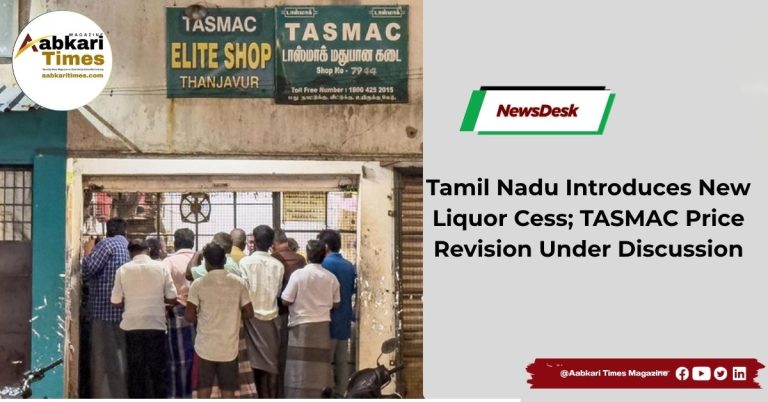

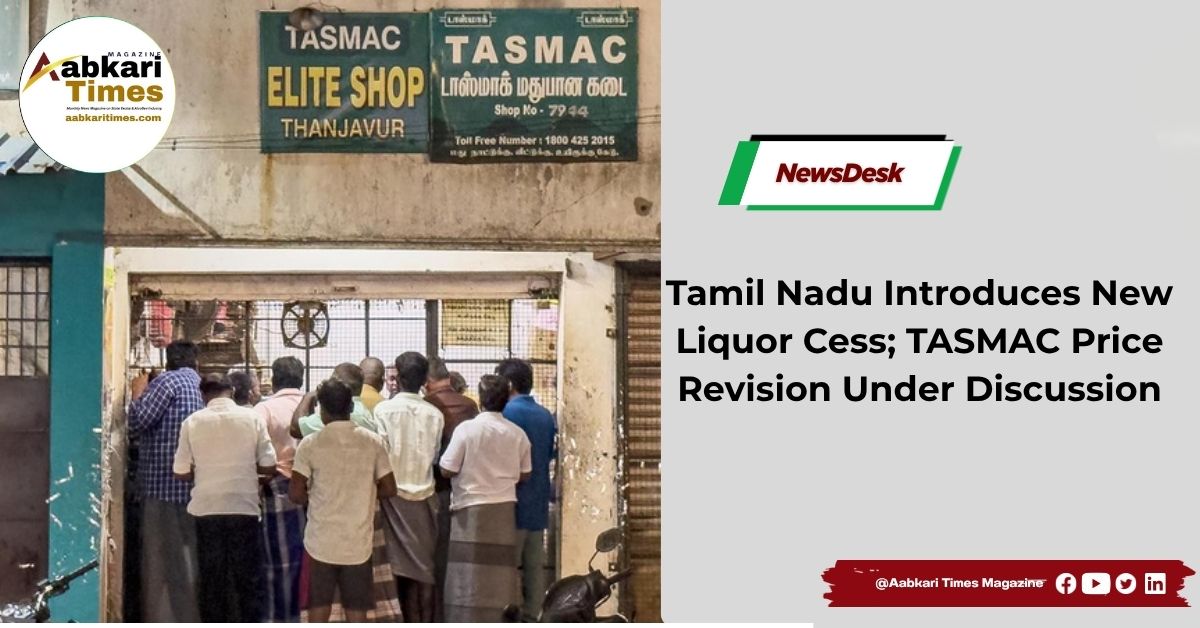
: Liquor prices in Tamil Nadu are set for a potential revision following the introduction of a new Environmental and Social Welfare Cess on alcoholic beverages sold in the state. The amended law allows the government to levy a cess of up to ₹20 per unit container, including bottles and tins. The provision was introduced through the Tamil Nadu Value Added Tax (Amendment) Act, 2026, which received the Governor’s assent on September 2.
The cess is intended to support environmental protection and social welfare measures. While the legislation provides for a maximum cess of ₹20 per unit container, the actual rate and its implementation are determined through a government notification. Reports on September 23 indicated that a ₹10 cess is being considered, with the amount linked to the existing bottle buy-back mechanism. Prohibition and Excise Minister K Vignesh subsequently clarified that the retail price of liquor would not be increased on account of the newly introduced cess, saying the ₹10 cess would be adjusted against the ₹10 already collected under the bottle buy-back scheme.

Separate reports, however, indicate that TASMAC is considering a ₹10 increase in the retail price of liquor bottles from the first week of October. According to a report citing a TASMAC official, the proposed ₹10 increase would replace the existing ₹10 bottle buy-back collection, meaning consumers would not face an additional ₹10 charge on top of the revised retail price. The timing and final implementation remain subject to the government’s decision.
The development follows the previous major TASMAC liquor price revision on February 1, 2024, when prices of various liquor brands were increased by between ₹10 and ₹80. If the proposed retail price revision is implemented, it would mark the first broad TASMAC price change in more than two years.
→ Revival of Indian Grape Processing Board Gains Fresh Momentum→ CIABC Urges States to Remove BIO Liquor Concessions Before India-UK CETA Takes Effect July 15
The latest changes come as Tamil Nadu continues to modify its liquor retail and excise framework, with recent measures also covering TASMAC employee wages, retail operations and controls against overcharging. The final impact on consumers will depend on the notified cess rate and the retail pricing decision adopted by TASMAC.
About the Author