
New Delhi: India’s alcoholic beverages industry is witnessing a gradual shift in consumer preferences, with non-alcoholic beers, low-alcohol beverages and fruit-flavoured drinks gaining greater attention among younger consumers and urban drinkers.
The trend reflects changing drinking occasions in India, where consumers are increasingly looking for beverages that fit different lifestyles, social situations and consumption preferences. While conventional beer and spirits continue to dominate the market, companies are expanding their portfolios beyond traditional alcoholic products.
Younger Consumers Drive Product Innovation
India’s young legal-age consumer base is becoming increasingly important for beverage companies. Instead of limiting consumption to established categories, younger consumers are showing interest in new flavours, lighter formats and differentiated drinking experiences. This is encouraging companies to experiment with fruit-based beverages, flavoured beer, ready-to-drink products and lower-alcohol options.
→ India's AlcoBev Sector at Structural Inflection Point; HSIE Research Sees Decade of Growth Driven by Premiumisation and Excise Reforms→ Gen Z Is Drinking More in India as Boomers Cut Back: IWSR Data Shows a Shift in 2026
The shift does not necessarily indicate a uniform move away from alcohol. Rather, it points towards a market where consumers may choose different products depending on the occasion.
Fruit-Flavoured and Low-Alcohol Beverages Gain Attention
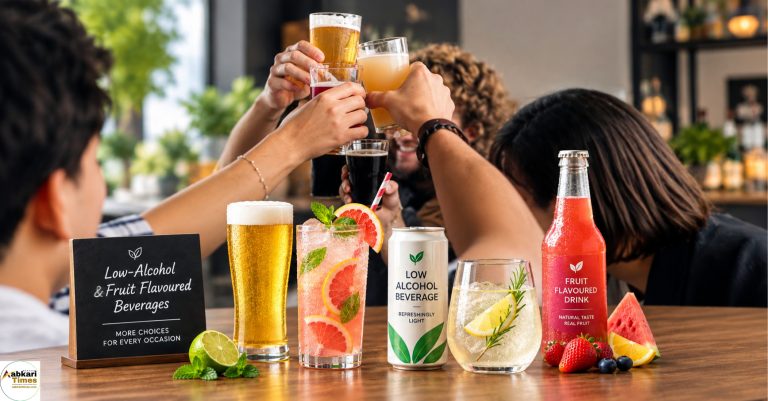
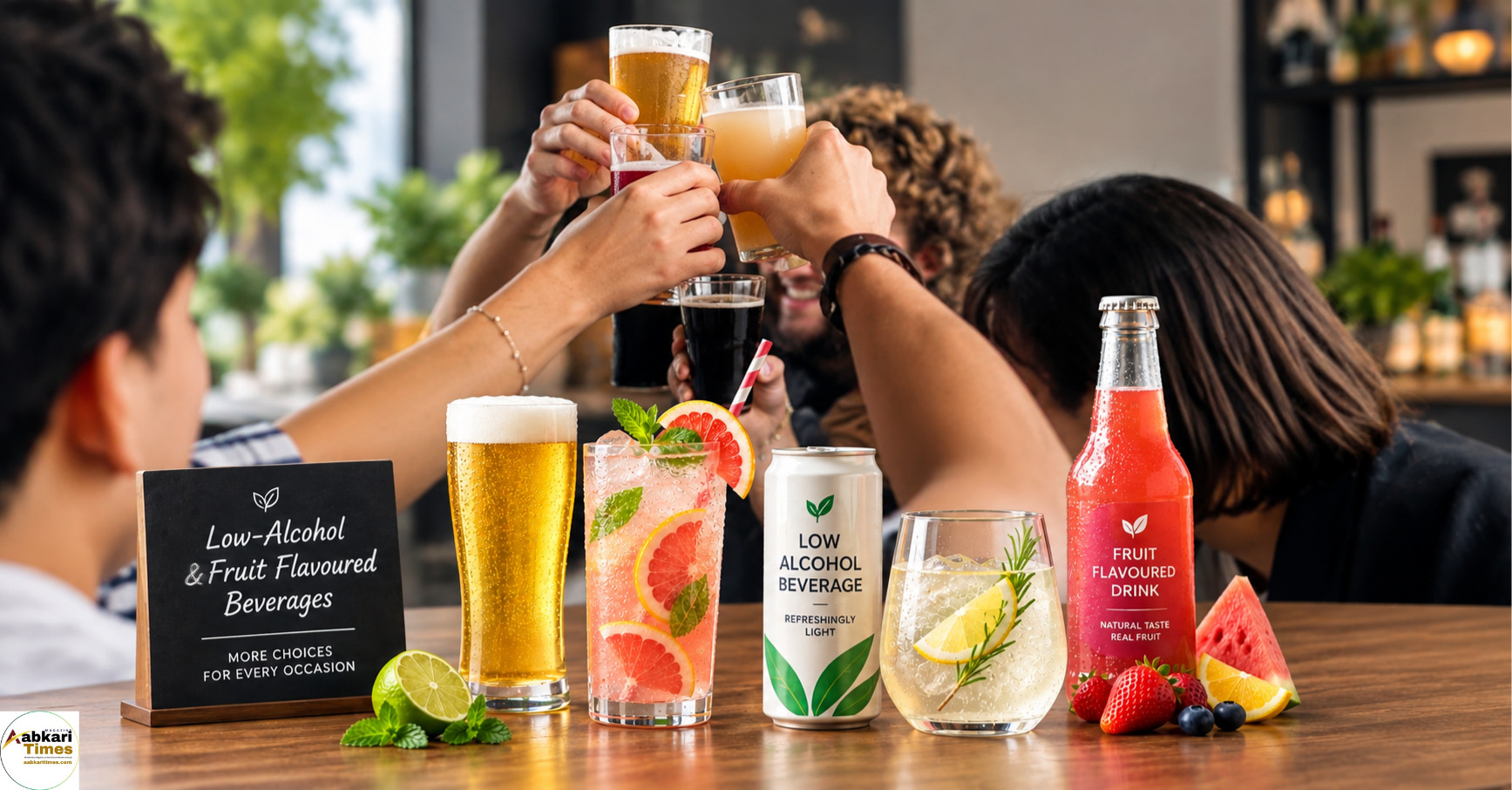
Fruit flavours are emerging as another important area of innovation across the Indian alcobev industry. Flavours such as lemon, grapefruit, citrus, watermelon and other fruit profiles can make alcoholic beverages more approachable for consumers who prefer sweeter or refreshing taste profiles.
The segment also includes beverages with relatively lower alcohol content compared with traditional spirits. Such products are increasingly being positioned around casual social occasions rather than conventional drinking occasions. Companies are likely to continue experimenting with different combinations of alcohol strength, flavours, packaging and serving formats as they assess consumer response.
Restaurants Could Become an Important Growth Channel
India’s restaurant and hospitality sector could play a significant role in the development of emerging beverage categories. The availability of zero-alcohol beer and lighter alcoholic beverages at restaurants, pubs and cafés gives consumers an opportunity to try products outside the traditional retail environment.
Table-service restaurants and modern ordering systems can also make it easier for consumers to select beverages based on their individual preferences rather than simply following the choices of the group. For beverage companies, this creates an opportunity to build awareness and encourage trial among consumers who may not otherwise purchase new products from retail stores.
Premiumisation Expands Beyond Traditional Spirits
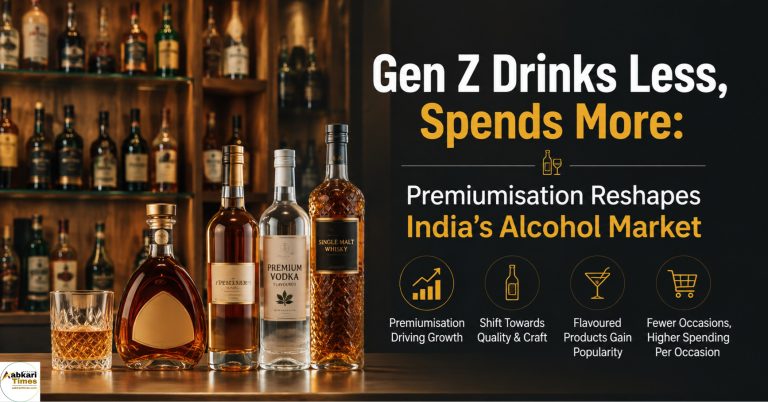
India’s broader alcobev market is already experiencing premiumisation, particularly across beer, whisky, gin, vodka and other categories. The emerging interest in zero-alcohol and flavoured beverages adds another dimension to this transformation. The next phase of growth could therefore involve greater product segmentation, with companies offering different alcohol strengths, flavours and formats for different occasions.
As Indian consumers become more experimental, beverage manufacturers are likely to continue expanding their portfolios to address demand for taste, convenience and choice.
Non-Alcoholic Beer Moves Beyond Retail Shelves
Non-alcoholic beer in India has traditionally been associated with supermarkets, convenience stores and online retail. However, the category is increasingly finding opportunities in restaurants, cafés, pubs and other social settings. The expansion is being supported by consumers who want the experience of drinking beer without alcohol, particularly when they need to drive, are avoiding alcohol temporarily or simply prefer a lighter option.
Major beer companies have already introduced zero-alcohol or alcohol-free variants in India. The category is also benefiting from improved packaging and product presentation, helping non-alcoholic beer appear more similar to conventional beer during social occasions. For restaurants and bars, these products can provide an additional beverage option for customers who do not want alcoholic drinks but still want to participate in a group drinking occasion.
About the Author