
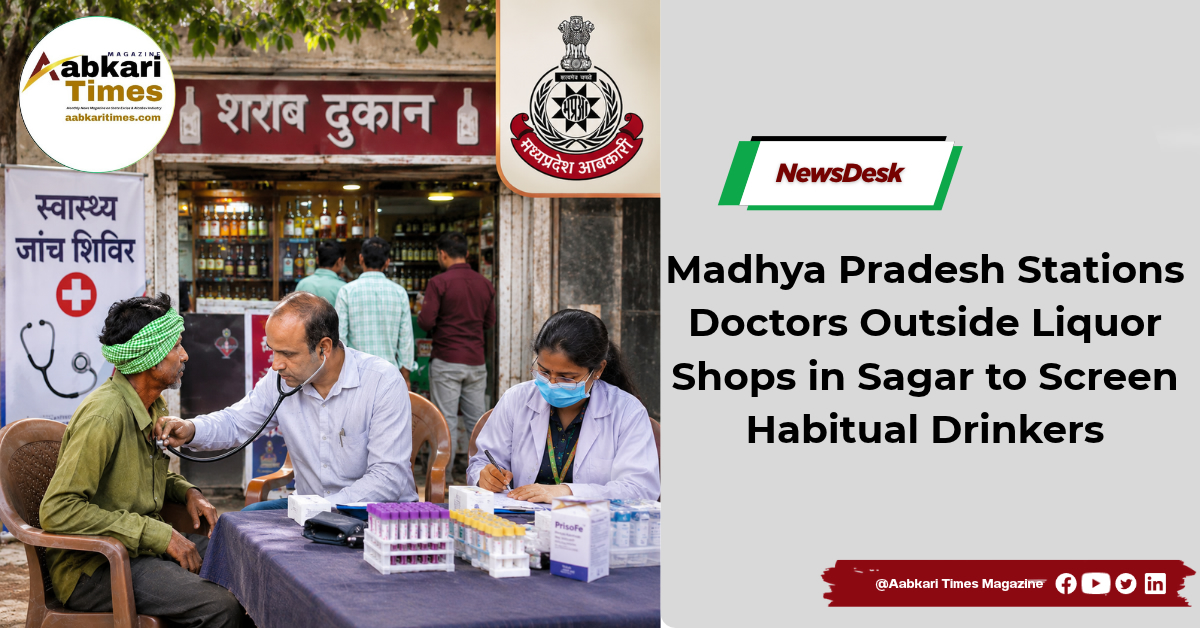
Sagar, Madhya Pradesh: In an unusual public health initiative, the Madhya Pradesh administration has started deploying medical teams outside liquor shops in Sagar district to screen customers, collect blood samples and assess the health risks associated with excessive alcohol consumption. The campaign aims to identify habitual drinkers at an early stage and connect them with medical assistance before prolonged alcohol use leads to serious health complications.
Why Has Madhya Pradesh Launched Health Screening Outside Liquor Shops?
The initiative follows a series of alcohol-related deaths in Sagar district, including 20 deaths reported in September in a suspected spurious liquor incident. The administration is particularly concerned about individuals who consume alcohol regularly throughout the day, have existing medical conditions or suffer from poor nutrition. By conducting health checks near liquor outlets, officials aim to reach habitual drinkers who may otherwise not visit healthcare facilities for routine medical examinations.
How Are Liquor Shop Operators Helping Identify Habitual Drinkers?
Sagar Collector Dilip Kumar Yadav said liquor shop operators had been instructed to identify their most frequent customers, including individuals who arrive even before outlets open. Their familiarity with regular visitors is being used to help health officials identify people who may be at greater risk and require medical attention. The administration has clarified that the exercise is intended as a public health awareness and early-intervention campaign.
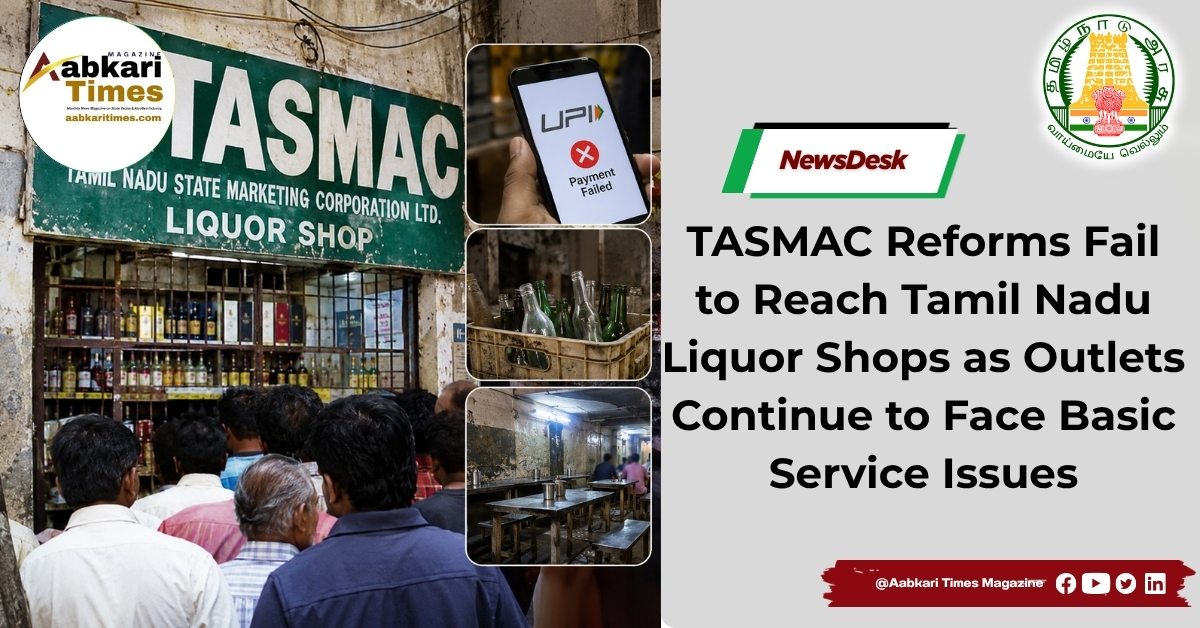
 TASMAC Reforms Fail to Reach Tamil Nadu Liquor Shops as Outlets Continue to Face Basic Service Issues
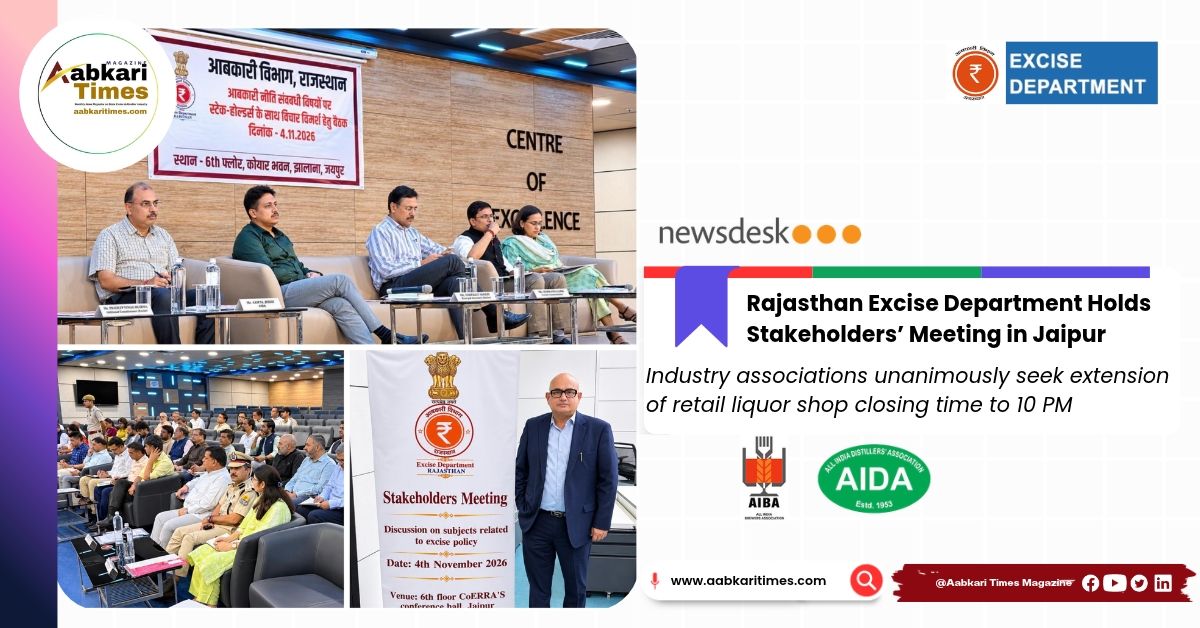
 Industry Association Seeks 10 PM Closing Time for Liquor Shops at Rajasthan Excise Stakeholders’ Meet
How Many People Have Been Screened and What Medical Tests Are Being Conducted?
Medical teams from the Health and Excise Departments have been stationed near selected liquor outlets to conduct examinations, collect blood samples and provide medicines where necessary. During the first two days of the campaign, 147 people were screened, while blood samples from 144 individuals were collected for liver and kidney function tests.
The screening exercise covered Sagar, Banda, Deori, Rahli, Khurai and Bina. These tests are intended to identify possible health complications associated with prolonged alcohol consumption and help doctors recommend appropriate medical intervention.
What Health Problems Have Doctors Identified Among Regular Drinkers?
Chief Medical and Health Officer Dr Devesh Pateria said the exercise had identified several cases of chronic alcohol consumption, including individuals showing signs of impaired liver function. Prolonged and excessive alcohol use can affect multiple organs, particularly the liver, while also contributing to nutritional deficiencies and other health complications.
To address some of these concerns, health workers are providing Vitamin B1 (thiamine) and multivitamin supplements where necessary. Contact details of screened individuals are also being recorded so they can be informed when their laboratory reports become available and advised about further medical evaluation or treatment.
How Will the Administration Reach Habitual Drinkers Beyond Liquor Shops?
The screening campaign is not limited to people identified by liquor retailers. The administration is also using primary health centres, community health centres and village-level outreach programmes to identify habitual drinkers who may not be included in lists prepared by liquor shop operators.
This broader approach is intended to ensure that people at risk, including those who may not regularly interact with healthcare facilities, can be identified and encouraged to undergo medical examinations.
Can Early Health Screening Help Prevent Alcohol-Related Medical Emergencies?
Early medical screening can help identify potential liver and kidney complications, nutritional deficiencies and other health concerns before they become more serious. Through blood tests, medical examinations, counselling and timely referrals, the administration hopes to encourage at-risk individuals to seek appropriate healthcare support.
Officials believe the initiative will also help create a consolidated database of people requiring medical attention and support more targeted healthcare interventions. By taking medical screening and counselling directly to liquor outlets, Sagar’s administration is attempting to improve awareness, encourage early diagnosis and reduce health emergencies linked to excessive alcohol consumption.
About the Author