
Karnataka’s revised Alcohol-in-Beverage (AIB) taxation policy has led to a sharp increase in beer sales, but Indian-Made Liquor (IML) continues to generate the majority of incremental excise revenue, according to the latest state government data cited by the Confederation of Indian Alcoholic Beverage Companies (CIABC).
Data for the second quarter of 2026-27, covering July to September, shows that IML sales increased from 169.12 lakh cases in 2025 to 171.69 lakh cases in 2026, registering volume growth of just 1.52%. Despite the marginal increase, IML revenue rose from ₹7,968.69 crore to ₹9,033.21 crore, an increase of ₹1,064.52 crore or 13.36%.
Beer sales recorded significantly stronger growth, rising from 84.63 lakh cases to 126.68 lakh cases, representing a 49.69% increase. However, beer revenue increased by ₹228.57 crore, from ₹1,234.50 crore to ₹1,463.07 crore, marking growth of 18.52%. 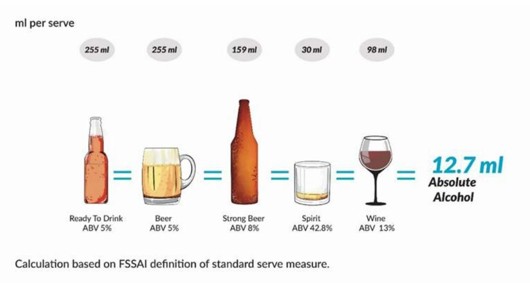
 Consumer Choices, Not Sales Volume, to Drive India’s Alcobev Market Growth ISWAI
 BAI Hails Karnataka's AIB Tax Reform; DG Vinod Giri Says Revenue Up 13.4%, Beer Sales Surge 41% in Five Months
The figures indicate that IML contributed approximately 82% of the combined incremental revenue from the two categories, while beer accounted for around 18%, despite its substantial volume growth. CIABC questioned whether a taxation framework that encourages beer consumption without generating proportionate additional revenue represents an efficient excise model.
The industry body also expressed concern that higher taxation on IML, combined with nearly stagnant volumes, could affect future sales and revenue sustainability. It argued that increased IML revenue largely reflects higher tax realisation from existing consumers rather than significant volume expansion, potentially increasing the financial burden on mass-market consumers purchasing lower-priced products.
CIABC further emphasised that alcohol-related risks depend on the quantity of pure alcohol consumed and drinking patterns, rather than beverage category alone. It urged policymakers to evaluate taxation alongside responsible consumption and public health objectives.
The Karnataka experience could influence other states considering preferential taxation for beer under AIB frameworks. CIABC called for a balanced and equitable excise policy that considers category-wise revenue contributions, consumption trends, consumer affordability and long-term fiscal sustainability. The latest figures highlight a key policy question: whether rapid growth in beer volumes justifies the tax treatment when IML continues to generate the bulk of additional excise revenue.
About the Author