
Uttar Pradesh has reshaped its liquor licensing system over the past several years, moving from a market associated with large players towards a more technology-driven framework. The changes have coincided with a sharp rise in excise collections, making the liquor sector one of the state’s key revenue engines.
From Monopoly To Competition
For years, Uttar Pradesh’s liquor trade was dominated by powerful business interests. Between 2009 and 2018, the country liquor wholesale business was largely controlled by a single major group, creating significant entry barriers for smaller entrepreneurs.
The policy environment changed after 2017, with the state increasingly using digital processes, online applications and e-lottery mechanisms for liquor licences.
 John Distilleries Crosses ₹10,000 Crore Revenue in FY26 as Sazerac Becomes Majority Shareholder
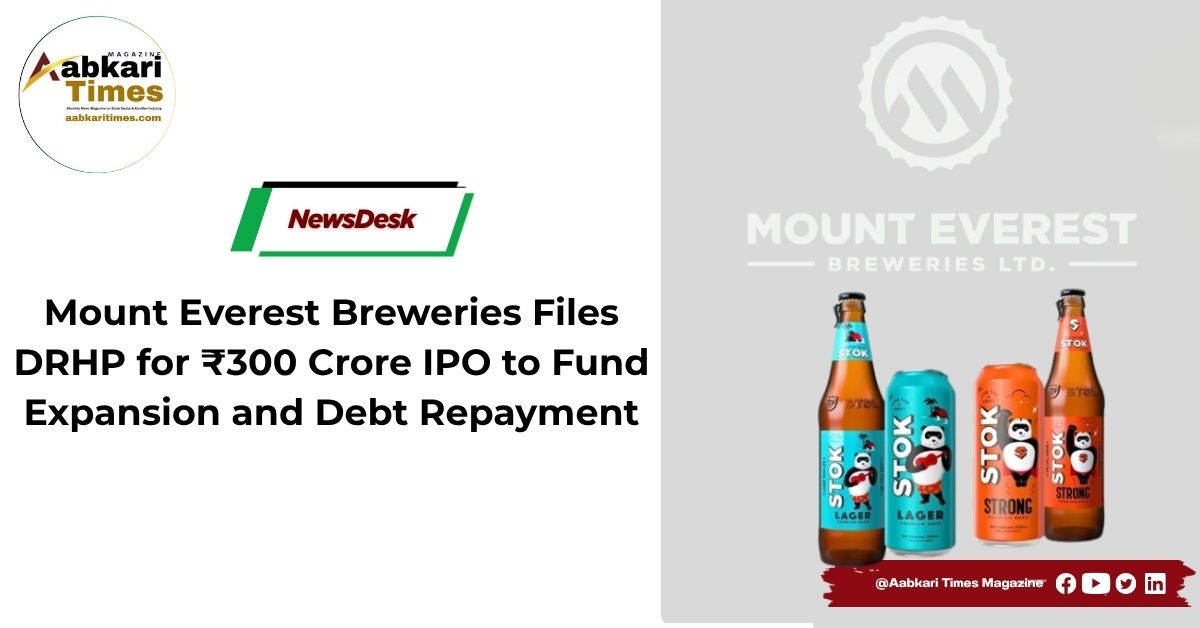
 Mount Everest Breweries Files DRHP for ₹300 Crore IPO to Fund Expansion and Debt Repayment
For small entrepreneurs, this created a new route into the highly regulated liquor business.
E-Lottery Changes The Game
Rampur farmer Rakshpal Yadav is one example cited in the debate over the new system.
While looking for ways to diversify his income, Yadav discovered that he could apply for a liquor-shop licence through an e-lottery process. He eventually secured a licence.
The significance of his experience lies in the way licences are allocated. Instead of relying primarily on personal access to officials or political intermediaries, applicants can participate through a computerised process.
The digital model has therefore become an important part of the state’s effort to make liquor licensing more transparent.
Revenue Tells The Story
The strongest evidence of the sector’s growing importance is visible in the numbers.
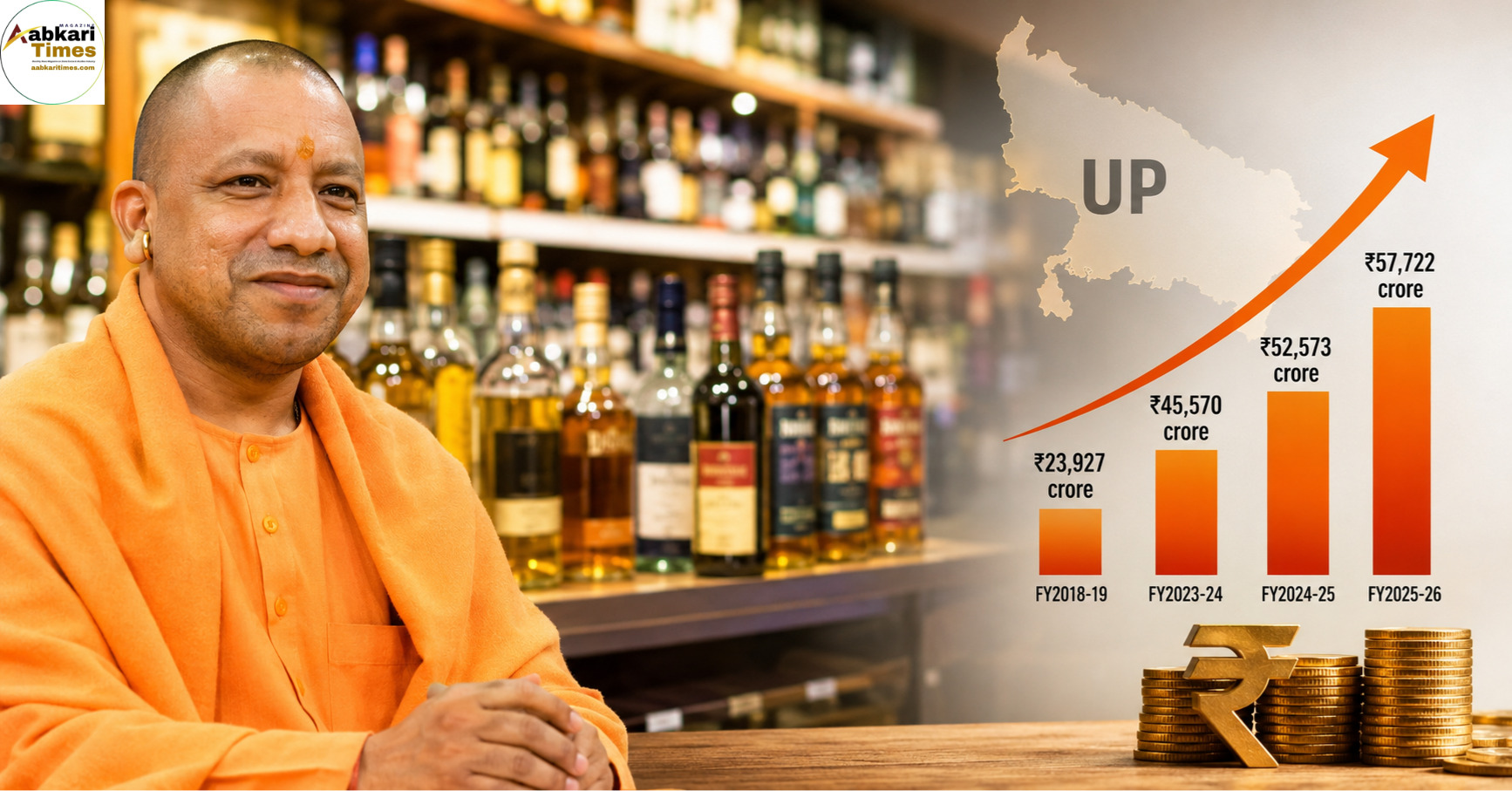
Uttar Pradesh’s excise revenue increased from ₹23,927 crore in FY2018-19 to more than ₹52,500 crore in FY2024-25, meaning collections more than doubled over seven years.
The upward trend continued in FY2025-26. According to reported Excise Department figures, the state collected ₹57,722.26 crore, compared with ₹52,573.07 crore in FY2024-25 and ₹45,570.47 crore in FY2023-24. That represented growth of about 9.8% over FY2024-25.
UP Excise Revenue
| Financial Year | Revenue |
|---|---|
| FY2018-19 | ₹23,927 crore |
| FY2023-24 | ₹45,570.47 crore |
| FY2024-25 | ₹52,573.07 crore |
| FY2025-26 | ₹57,722.26 crore |
The numbers show how dramatically the state’s excise revenue base has expanded since 2018-19.
Strong Start In 2026-27
The momentum continued into the new financial year.
During April-May 2026, Uttar Pradesh collected ₹10,635.69 crore in excise revenue, an 8.85% increase over ₹9,770.68 crore during the corresponding period of the previous year. May alone contributed ₹5,387.63 crore, while April collections were reported at around ₹5,248 crore.
The figures indicate that excise collections remain on a strong growth trajectory even as the government focuses on tighter enforcement and digital monitoring.
Technology And Enforcement
Revenue growth has not been attributed simply to higher liquor consumption.
The state has increasingly emphasised digital monitoring, regulatory compliance, enforcement against illegal liquor and measures to prevent revenue leakage. Officials have also highlighted action against illicit manufacturing, transportation and sale.
This approach is important because illegal liquor markets can simultaneously reduce government revenue and create serious public-safety risks.
A Bigger Fiscal Role
The transformation of the liquor sector has given Uttar Pradesh a powerful source of recurring state revenue.
For policymakers, the challenge is to balance three objectives: revenue generation, transparent licensing and effective regulation.
The growth in collections suggests that the state has been able to substantially expand its excise revenue base. At the same time, the increasing use of technology has changed how entrepreneurs access the regulated liquor market.
The Policy Paradox
There is also an interesting contradiction at the heart of Uttar Pradesh’s liquor policy.
The Yogi Adityanath government is strongly associated with cultural and Hindutva politics, yet alcohol-related taxes and fees have become an increasingly important component of the state’s finances.
That makes liquor policy more than an issue concerning retail shops. It is now closely linked to state finances, business access, technology, enforcement and governance.
The Road Ahead
Uttar Pradesh’s experience shows how regulatory reform can reshape a traditional liquor market.
From ₹23,927 crore in excise revenue in FY2018-19 to ₹57,722.26 crore in FY2025-26, the scale of growth is significant. The continued collection of more than ₹10,600 crore in just the first two months of FY2026-27 further underlines the sector’s importance to the state exchequer.
The next test will be whether Uttar Pradesh can sustain this revenue momentum while keeping licensing transparent, competition fair and enforcement strong.
About the Author