

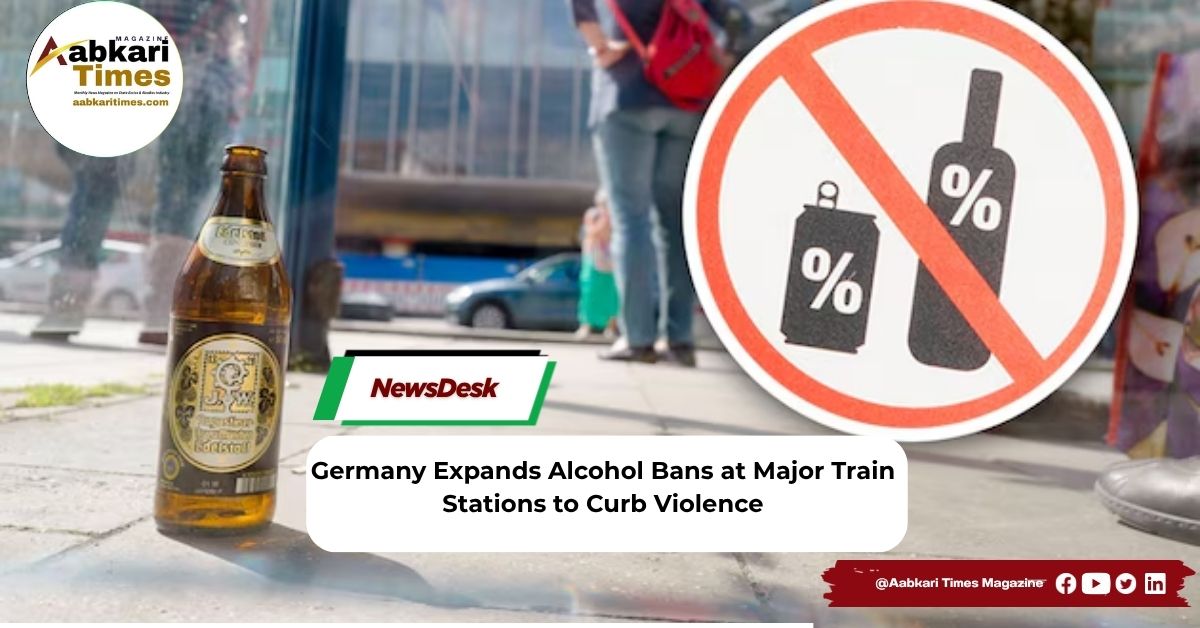
Germany is expanding restrictions on alcohol consumption at major railway stations as authorities seek to improve public safety and reduce violence around busy transport hubs. The latest alcohol bans came into effect on September 1, 2026, at Berlin Central Station and Berlin-Gesundbrunnen station, with additional stations expected to introduce similar measures in the coming weeks, according to a report by rbb24 Abendschau.
The restrictions are aimed at reducing incidents of violence and disorder in and around railway stations. According to the report, rail operator Deutsche Bahn is using alcohol bans as one of the measures to address public safety concerns at locations that remain crowded throughout the day and often continue to see heavy footfall late into the night. Authorities view alcohol consumption as a factor that can contribute to tensions in busy public spaces.
Berlin Zoo station was among the earlier railway stations to introduce an alcohol ban. The station has been used as an example of how such restrictions operate in practice, with rbb24 examining enforcement and conditions at the station during an overnight report. The expansion to Berlin Central Station and Gesundbrunnen represents a broader application of the policy at some of the capital’s major transport hubs.
 Kerala Government Plans Strict Action Against Bars Serving Alcohol to People Below 23
 Odisha Bans New Liquor Shops for Three Years, CM Mohan Charan Majhi Announces Zero-Tolerance Policy on Drugs
The effectiveness of alcohol bans at railway stations depends not only on the introduction of the rules but also on their enforcement. Large stations bring together passengers, commuters, tourists, security personnel and retail businesses, making enforcement a practical challenge. Clear communication, visible monitoring and consistent implementation are therefore likely to play an important role in determining how the restrictions work in practice.
The expansion could also affect businesses operating inside railway stations. Kiosks, convenience stores and other retailers often sell alcoholic beverages alongside food and travel essentials. As restrictions become more widespread, businesses may need to adjust product displays, customer guidance and sales practices depending on the specific rules applicable at each station.
The policy could also have implications for the alcohol beverage industry. Railway stations are high-traffic locations where beverage brands reach commuters, tourists and other travelers. Restrictions on alcohol consumption at these locations could influence purchasing patterns, particularly where customers traditionally buy beverages for consumption within or around station premises. The impact, however, is likely to vary depending on the scope and enforcement of individual station bans.
Details regarding which German railway stations will introduce the next restrictions, as well as whether the rules will be identical across locations, remain unclear. Questions around exemptions, enforcement procedures and possible penalties could become increasingly relevant as more stations adopt the measures.
With Berlin Central Station and Gesundbrunnen now covered, Germany’s expanding station-based alcohol restrictions indicate a wider focus on managing alcohol consumption as part of public-safety measures at major transport hubs.
About the Author