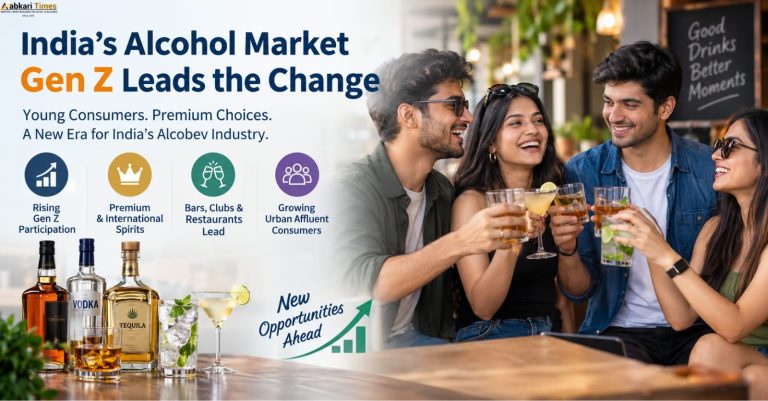

India’s younger consumers may be drinking less frequently, but their preference for premium spirits, flavoured products and distinctive drinking experiences is creating new growth opportunities for the alcobev industry.
The relationship between Gen Z and alcohol is changing. Across global markets, younger consumers are increasingly conscious of health, finances and lifestyle choices, leading many to reduce their alcohol consumption or take periodic breaks from drinking. But that does not necessarily mean Gen Z has turned its back on the alcohol industry. In India, a growing segment of young, financially empowered consumers appears to be taking a different approach: fewer drinking occasions, but higher spending per occasion. This shift is strengthening one of the biggest trends in India’s alcoholic beverage market — premiumisation.
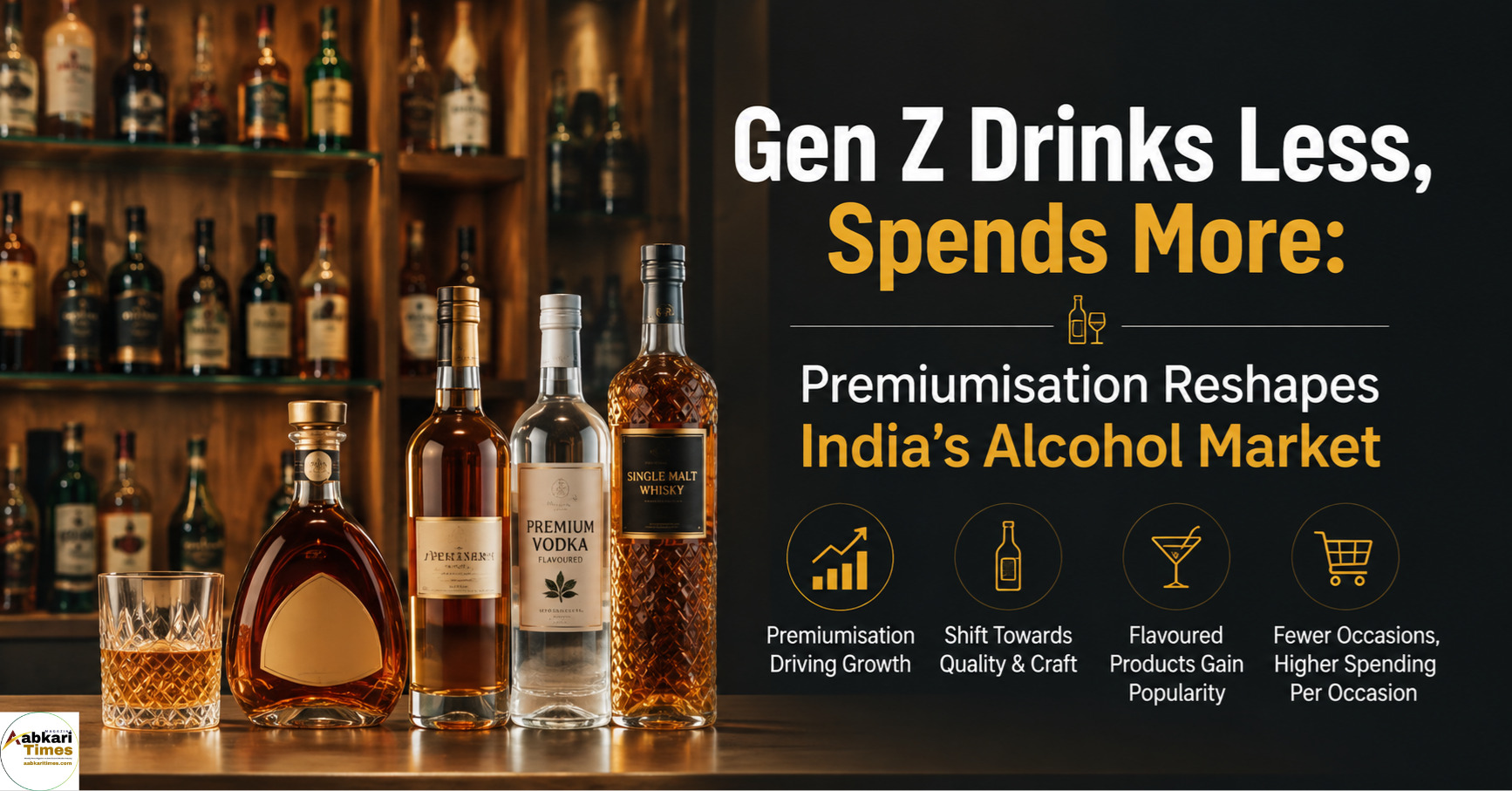
Premiumisation Becomes a Key Growth Driver
Indian consumers are showing greater willingness to explore premium spirits, craft-style products, flavoured beverages and brands with a distinctive story. Industry executives say younger drinkers are becoming more experimental, moving between categories and selecting beverages according to the occasion rather than simply sticking to familiar brands.
→ India's AlcoBev Sector at Structural Inflection Point; HSIE Research Sees Decade of Growth Driven by Premiumisation and Excise Reforms→ Gen Z Is Drinking More in India as Boomers Cut Back: IWSR Data Shows a Shift in 2026
The trend is particularly visible in categories such as Indian single malts and vodka. Indian single malts have recorded strong growth, while homegrown brands are gaining greater acceptance among consumers looking for quality, provenance and a distinctly Indian identity. For premium spirits companies, this represents an important opportunity. Consumers who may drink less frequently can still contribute significantly to value growth if they choose higher-priced products.
Flavoured Vodka Gains Momentum
Vodka is another category benefiting from changing consumer preferences. The Indian vodka market is increasingly moving towards flavoured expressions, with younger consumers showing interest in unusual flavours, cocktails and products that offer a more differentiated experience.
This has encouraged brands to experiment with Indian-inspired flavours and new product formats. Instead of treating vodka simply as a traditional white spirit, producers are positioning it as a versatile base for cocktails and social occasions. The broader shift is from conventional drinking habits towards experimentation and discovery.
Gen Z Is Looking Beyond Price
For today’s younger consumer, premiumisation is not necessarily about choosing the most expensive bottle. Quality, craftsmanship, authenticity, flavour and brand story are becoming increasingly important factors in purchase decisions. Products with a strong sense of origin or a compelling production story can command attention even when they are not traditional luxury brands.
This is particularly relevant for India’s emerging homegrown premium spirits segment, where producers are using local ingredients, regional heritage and innovative production techniques to differentiate their brands.
Digital Discovery Is Influencing Buying Decisions
The consumer journey is also changing. Social media, digital content, online discovery and peer recommendations are increasingly influencing how younger consumers learn about alcoholic beverages. Packaging, flavour profiles, provenance and the overall brand experience can all play a role in generating consumer interest.
This makes Gen Z an important audience for brands seeking long-term growth. However, the opportunity is not necessarily about encouraging higher consumption. Instead, the industry is responding to a consumer who is becoming more selective about when, what and how much they drink.
A New Consumer for India’s Alcobev Industry
The apparent contradiction between lower alcohol consumption among younger people and strong performance in premium liquor is therefore easier to understand. Gen Z may be moving away from routine or excessive drinking, but a section of the market is willing to spend more on premium whisky, Indian single malts, flavoured vodka, craft cocktails and products with a distinctive identity.
For India’s alcobev companies, the message is clear: future growth may come less from simply selling greater volumes and more from creating products that deliver quality, innovation, experience and value. In other words, Gen Z may not be abandoning alcohol altogether. Instead, its relationship with alcohol is becoming more occasional, experimental and premium — a trend that could continue reshaping India’s spirits market in the years ahead.
About the Author