
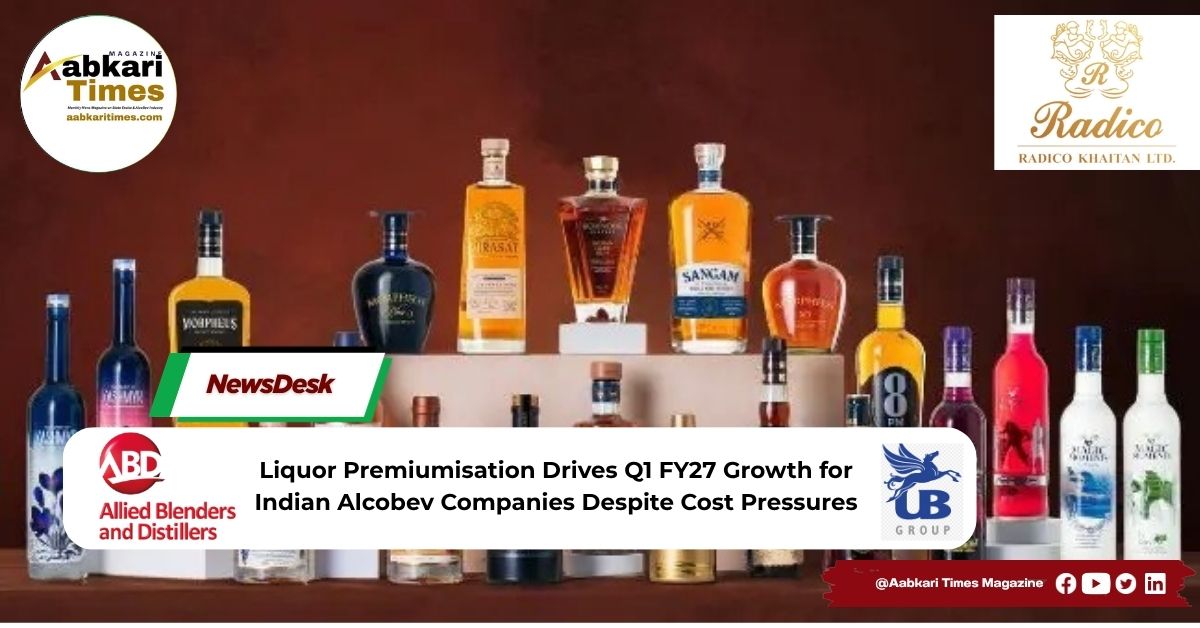
New Delhi, August 9: Premiumisation emerged as the strongest growth driver for India’s alcoholic beverages industry in the first quarter of FY 2026–27, helping major liquor companies increase revenue and strengthen margins even as higher input costs, supply chain disruptions and state policy changes affected overall profitability across segments.
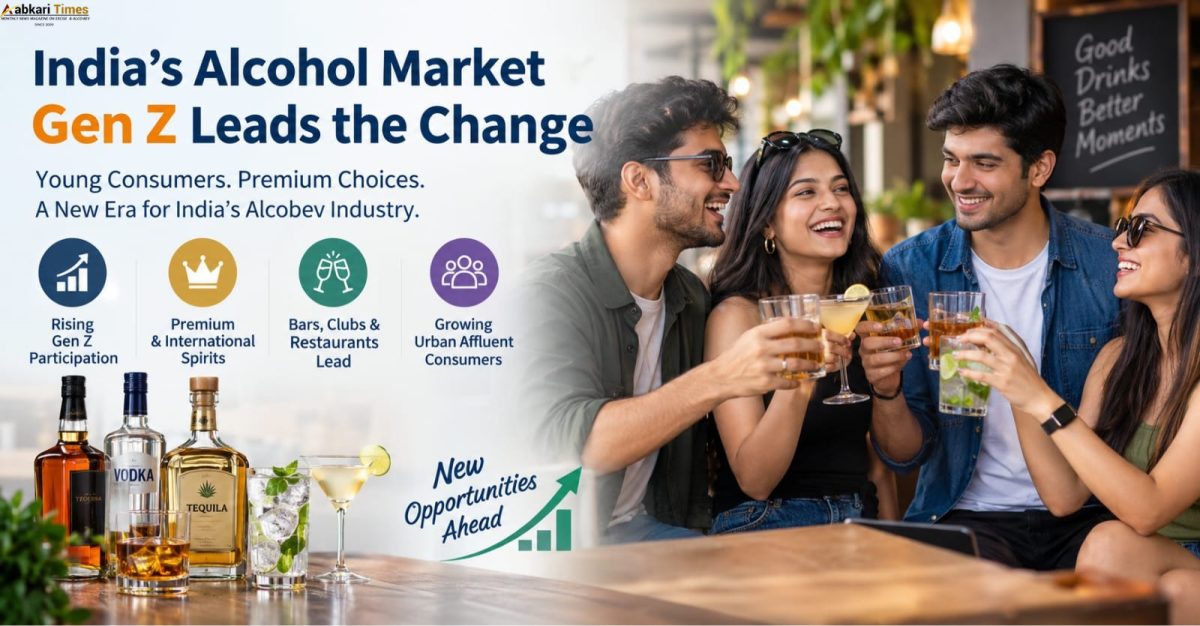
Leading Indian alcobev companies including United Spirits Ltd (USL), Radico Khaitan and Allied Blenders and Distillers Ltd (ABDL) reported robust double-digit growth in their prestige-and-above (P&A) portfolios, which include premium and luxury whisky, vodka, gin, rum and brandy brands. The trend highlights the continuing shift of Indian consumers toward higher-value alcoholic beverages.
Radico Khaitan delivered one of the strongest performances in the quarter, reporting its highest-ever quarterly volume, revenue and profitability. Consolidated net profit jumped 76% to ₹229.60 crore, while revenue from operations rose 13.22% to ₹5,867.69 crore. Volumes of its P&A portfolio — including Rampur Single Malt Whisky, Jaisalmer Indian Craft Gin, Morpheus Brandy, Royal Ranthambore and 8PM Premium Black — increased 35.8% to 5.22 million cases. Managing Director Abhishek Khaitan said the company’s premiumisation strategy continued to outperform the industry and is expected to deliver over 25% volume growth in FY27 with an EBITDA margin of around 20%.
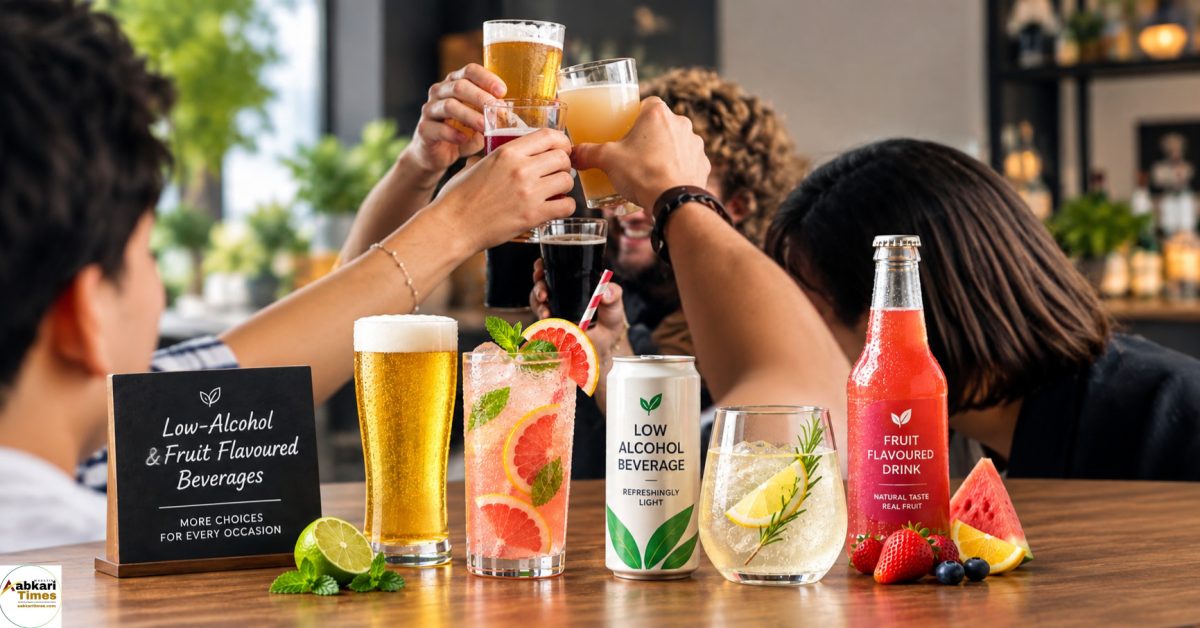
 India’s Alcobev Market Sees Growing Interest in Low-Alcohol and Fruit-Flavoured Drinks
 Scotch Whisky Association Appeals Against England’s New Single Malt Whisky Rules
United Spirits Ltd, controlled by Diageo, also benefited from strong premium demand. The company, which owns brands such as Johnnie Walker, Black Dog, Black & White, VAT 69, Singleton, Smirnoff and Tanqueray, reported a 51.6% rise in net profit to ₹391 crore during the June quarter. Revenue from operations increased 5% to ₹6,113 crore. According to Managing Director and CEO Praveen Someshwar, excluding Maharashtra, USL’s P&A volume grew 6.4% and net sales value (NSV) increased 14.8%, indicating strong underlying premium demand despite regulatory challenges in some markets. Revenue from the popular segment, which contributes less than 10% of total revenue, declined 17.5% to ₹206 crore.
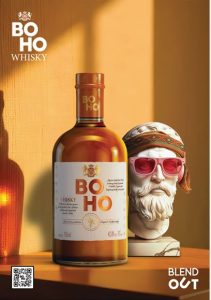
In the Indian liquor industry, P&A brands generally refer to products priced around ₹700–800 and above for a 750 ml bottle, depending on the state’s tax structure. Analysts attribute the segment’s momentum to rising disposable incomes, urbanisation, evolving consumer preferences and growing demand for premium spirits and craft alcoholic beverages.
Allied Blenders and Distillers Ltd, maker of Officer’s Choice Whisky, reported a mixed quarter. Consolidated net profit declined 18.65% to ₹45.42 crore, while revenue from operations increased 5.8% to ₹984 crore. The company sold 9 million cases, up 6.2% year-on-year. Importantly, its P&A portfolio contributed 59.3% of total sales value, compared with 55.8% a year earlier, while gross margin expanded by 277 basis points to 46%. Managing Director Amar Sinha said global supply chain disruptions had a temporary impact, but the company remained focused on premiumisation and backward integration projects as its key long-term growth engines.
India’s largest beer maker, United Breweries Ltd (UBL), reported a contrasting profitability trend. Consolidated net profit fell 9.64% to ₹166.28 crore due to higher operating expenses and the impact of the West Asia conflict, although revenue rose 10% to ₹5,919.44 crore. UBL’s premium beer volume increased 17%, excluding two states where the company took corrective actions to mitigate the war-related impact. Growth was led by Heineken Silver, Kingfisher Ultra, Ultra Max and Amstel Grande. CFO Jorn Kersten stated that premium beer margins became accretive for the first time during the quarter, making the premium portfolio an increasingly important contributor to future profitability.
Tilaknagar Industries Ltd posted the highest revenue growth among major listed alcobev peers, with consolidated revenue surging 165.4% to ₹2,252.42 crore following the integration of the Imperial Blue whisky business acquired from Pernod Ricard India. However, profit after tax fell 64.3% to ₹31.59 crore because of integration-related exceptional expenses associated with the acquisition.
In the wine segment, Sula Vineyards Ltd returned to growth, with net revenue from operations increasing 3% year-on-year to ₹112.9 crore. CEO Rajeev Samant said the improvement was driven by strong demand for the company’s Elite & Premium portfolio, with flagship brands The Source and Rasa recording double-digit growth.
Overall, the Q1 FY27 results across India’s alcoholic beverages sector indicate that premiumisation is now the dominant structural growth trend in the Indian alcobev market. While inflationary pressures, logistics disruptions and state-level policy changes continue to affect profitability in mass-market categories, demand for premium whisky, craft gin, single malt, premium brandy, premium beer and high-end wine is helping leading companies improve their product mix, expand gross margins and position themselves for stronger long-term growth in the rapidly evolving Indian alcoholic beverage industry.
About the Author