
The Assam Excise Department and Tinsukia district administration have tightened controls on the trade and movement of molasses to prevent its diversion for illicit liquor production. Tinsukia District Magistrate Sumit Sattawan issued an order under Section 152 of the Bharatiya Nagarik Suraksha Sanhita (BNSS), 2023, making registration mandatory for all businesses and individuals dealing in liquid molasses or molasses powder.
Under the new order, every person, firm, trader, wholesaler, retailer or business entity involved in the storage, transportation, sale, purchase or other dealings in molasses must register with the Tinsukia district administration within 15 days of the order being issued. The requirement also applies to businesses procuring molasses for legitimate purposes such as cattle feed, industrial use and agricultural activities.

The move follows concerns raised by authorities over the alleged diversion of molasses, locally known as “Lalee” or “Lali Gur”, which is brought into Assam from outside the state and can be used as a raw material for the production of illicit country liquor and spurious alcohol. The administration said such diversion poses a serious threat to public health, safety and human life.
The order also prohibits traders and other stakeholders from selling, storing or transporting molasses by falsely describing or labelling it as jaggery. Dealers, transporters and businesses handling molasses will be required to maintain detailed records of procurement, transportation and sales and produce these records before authorised officials whenever demanded.
 Odisha Collects ₹24,455 Crore in Excise Duty Over Five Years, CAG Report Reveals
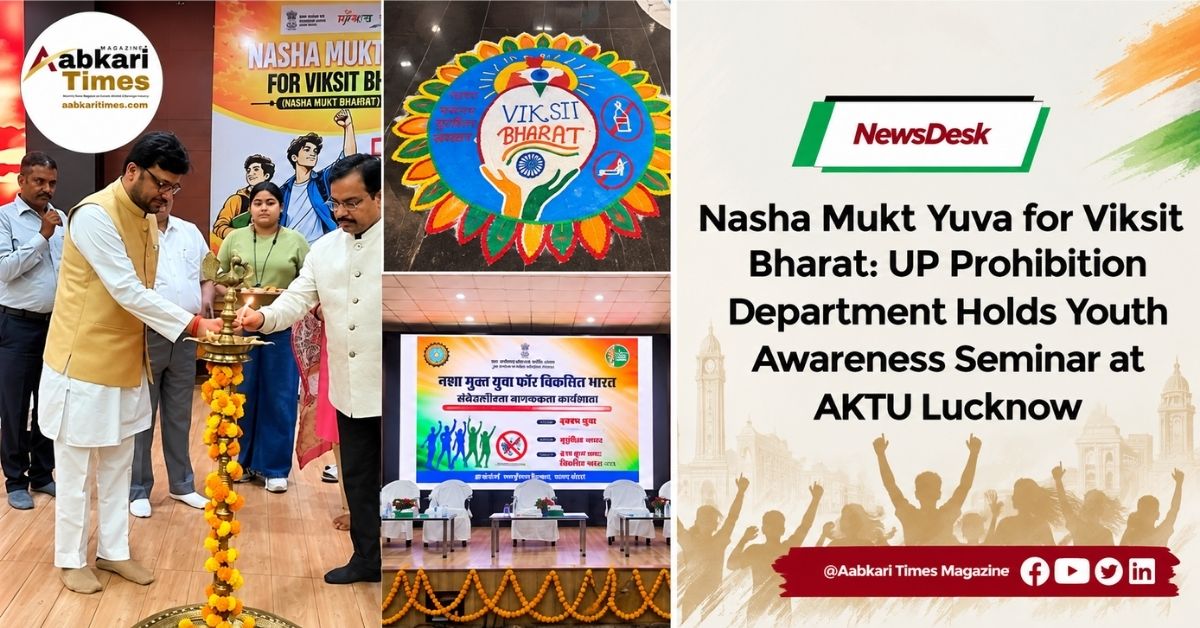
 Nasha Mukt Yuva for Viksit Bharat UP Prohibition Department Holds Youth Awareness Seminar at AKTU Lucknow
The Tinsukia administration has warned that violations of the order could result in prosecution under Section 223 of the Bharatiya Nyaya Sanhita (BNS), 2023, along with other applicable laws. The registration and record-keeping requirements are aimed at improving traceability and enabling authorities to monitor the movement of molasses across the district.
Molasses, commonly referred to as “Lalee” or “Lali Gur” in parts of Assam, is also associated with the production of “Sulai”, a locally consumed rectified spirit, particularly in rural and tea-garden communities across Upper Assam. The authorities’ stricter monitoring comes against the backdrop of the 2019 Assam hooch tragedy, when contaminated Sulai claimed at least 158 lives, largely among tea-garden workers in Golaghat and Jorhat.
The latest measures are expected to strengthen coordination between the Assam Excise Department and district authorities by creating a registration and documentation trail for molasses traders and users. The administration’s focus on controlling the legal supply chain is intended to reduce the possibility of molasses being diverted into illegal liquor manufacturing while allowing legitimate industrial, agricultural and feed-related businesses to continue their operations under regulatory oversight.
About the Author