
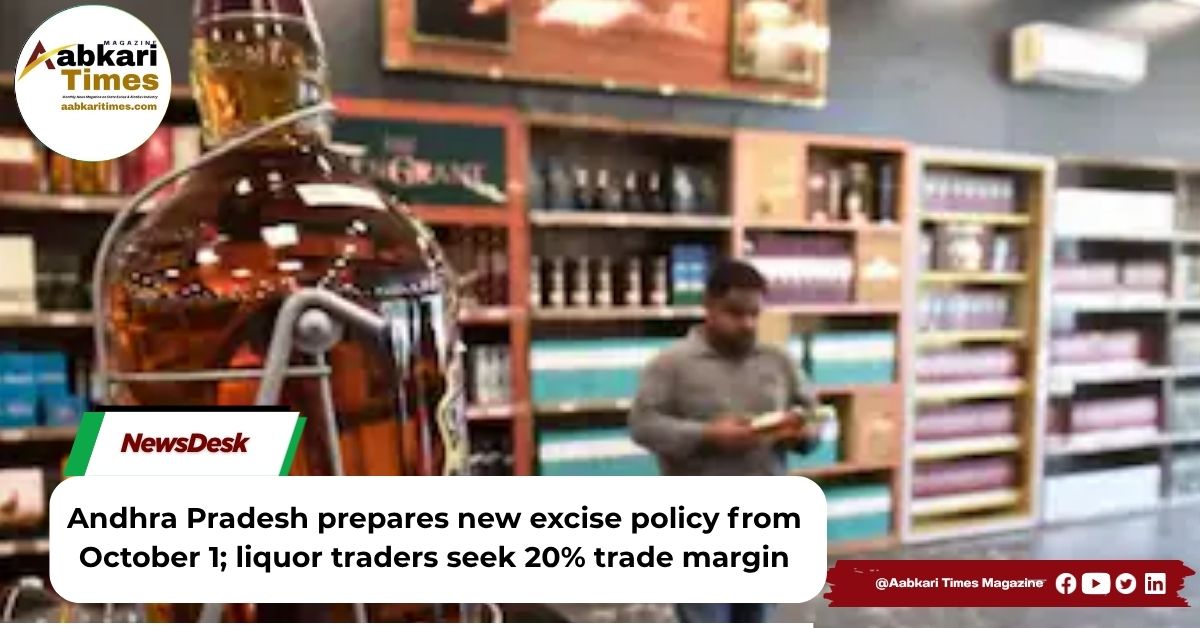
Vijayawada: As Andhra Pradesh prepares to implement its new excise policy from October 1, liquor traders across the state have urged the government to increase the trade margin on liquor sales to 20 per cent to ensure the business remains financially viable. The Excise Department has invited feedback from retail licensees for framing the new liquor policy, as the existing two-year excise policy will expire on September 30.
At present, liquor retailers receive a profit margin of around 13.5 per cent, which traders claim is insufficient to cover operating expenses, loan repayments and other business costs. Andhra Pradesh has nearly 3,490 licensed retail liquor shops, and trader associations say that around 40 per cent of these outlets are running at a loss, while many of the remaining shops are earning only marginal profits. Retailers argue that substantial investments were made in setting up liquor outlets, often through bank loans, and the current margin does not provide adequate returns to sustain the business.
Traders have also sought renewal of licences and rationalisation of liquor retail outlets based on population criteria and regional demand. According to them, mandals with only a few liquor shops generate higher sales volumes per outlet, whereas areas with a larger number of outlets witness lower sales and reduced profitability. They have requested the government to ensure a more balanced distribution of retail liquor shops under the new Andhra Pradesh excise policy.
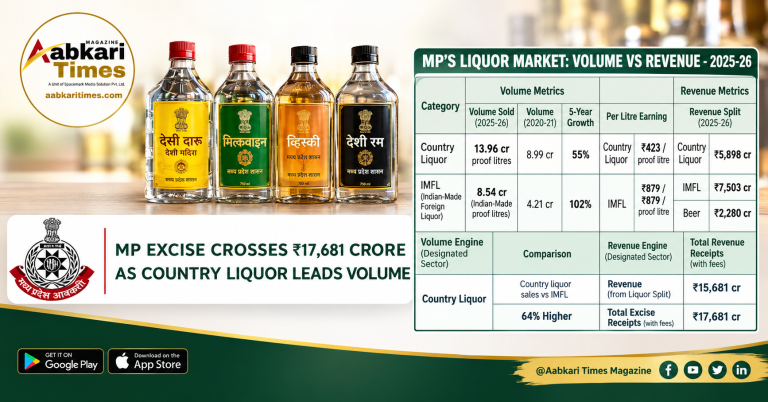
→ Bengaluru Liquor Ban: Alcohol Sales Restricted in Several Areas Till September 20→ MP Excise Revenue Hits ₹17,681 Crore; Country Liquor Dominates at 13.96 Crore Proof Litres in 2025-26

Another major issue raised by traders concerns the 10 per cent reservation of liquor retail outlets for BC Geetha Kulalu communities. Trader representatives have alleged that many of these outlets are being operated by upper-caste individuals through benami arrangements, defeating the welfare objective of providing business opportunities to backward communities. These reserved outlets currently enjoy a 50 per cent concession on licence fees, making the issue particularly significant for genuine beneficiaries.
AP Wine Dealers Association president R. Subba Rao said the association has formally requested the government to provide a 20 per cent trade margin, continue licence renewals, and undertake scientific rationalisation of liquor shops under the upcoming policy framework. The Excise Department recently held meetings with liquor traders to gather suggestions on shortcomings in the current policy and identify areas requiring reform before the new excise regime comes into force on October 1.
Liquor trader K. Nageswara Rao claimed that nearly 70 per cent of liquor traders are facing losses, and many are hoping that the new policy will address revenue erosion and improve business sustainability. Some traders alleged that certain retailers have been charging ₹10 above the Maximum Retail Price (MRP) to offset operational losses and survive in the current market conditions.
Despite financial difficulties, many traders who own their shop premises and have limited alternative business opportunities are expected to continue in the liquor trade even if profits remain low. The Andhra Pradesh government is expected to finalise the new excise policy for 2026–27 after considering the feedback received from liquor retailers, industry stakeholders and other interested parties.
About the Author