
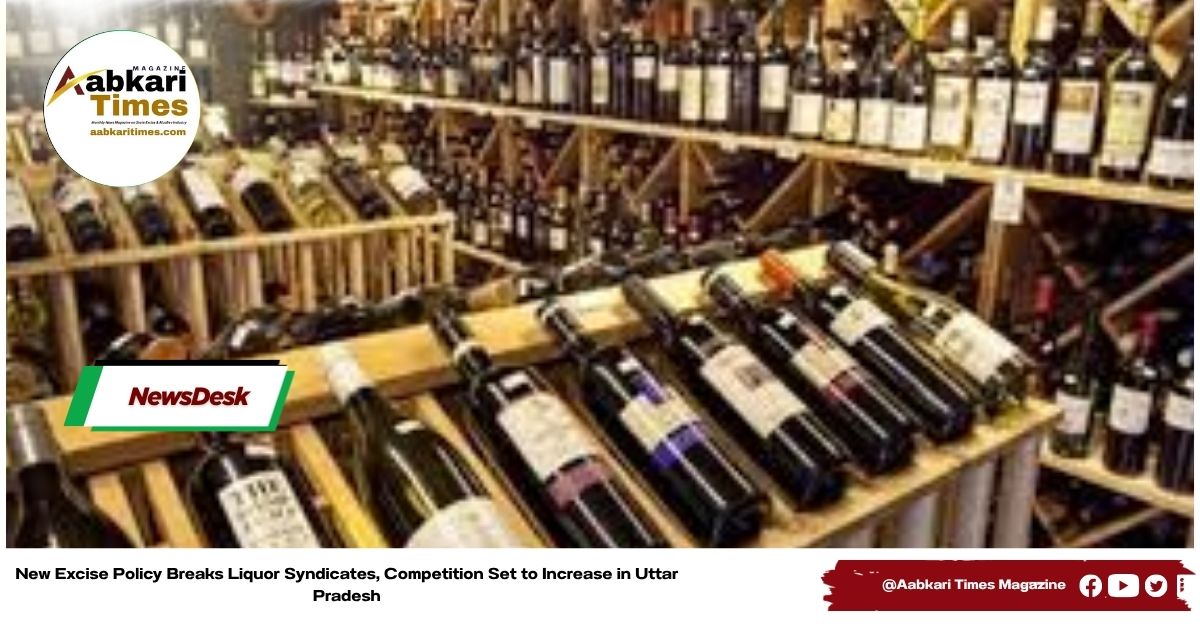
The new excise policy introduced by the Uttar Pradesh Government aims to dismantle long-standing liquor syndicates and promote greater competition in the retail liquor market. One of the most significant reforms mandates that country liquor shops must stock at least 25% of their inventory from brands other than the dominant or traditionally sold brand.
The move has been introduced to eliminate brand monopolies, provide consumers with wider choices, and encourage fair competition among manufacturers. Uttar Pradesh has more than a thousand country liquor brands, yet in many districts a single dominant brand often controlled sales at retail outlets. Popular brands such as Tikon Takkar, Jay K.T., Mr. Jamun, and Mr. Apple have traditionally dominated sales in different regions.
Prior to the implementation of the new policy, retailers generally stocked only the fastest-selling brand, leaving little room for competing products. Under the revised framework, retailers are now required to allocate at least 25% shelf space to alternative brands. Failure to comply could attract a penalty calculated at ₹64 per litre.
 Odisha Collects ₹24,455 Crore in Excise Duty Over Five Years, CAG Report Reveals
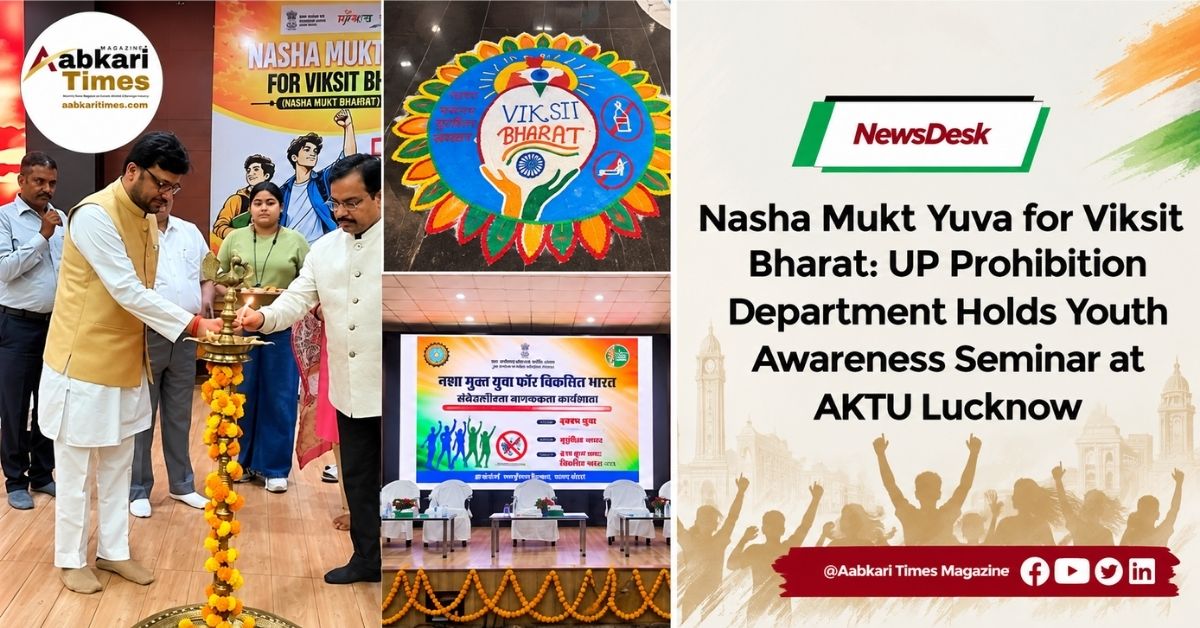
 Nasha Mukt Yuva for Viksit Bharat UP Prohibition Department Holds Youth Awareness Seminar at AKTU Lucknow
Industry observers believe the reform will create a level playing field for new entrants and smaller manufacturers, while reducing the influence of established syndicates that have historically controlled large segments of the market.
Credit-Based Supply System Abolished
Another major change introduced under the new excise policy relates to the payment mechanism between wholesale warehouses and retail liquor outlets.
Earlier, retailers could receive stock from wholesale warehouses and make payments after a period of up to one week. The revised policy has ended this practice. Retailers will now be required to make payment through the designated online portal before delivery of stock is processed.
The government believes that the new system will improve transparency, strengthen financial discipline, and reduce disputes related to outstanding payments. It is also expected to improve revenue monitoring and streamline supply chain management across the state.
Restrictions on Incentives Offered by Liquor Companies
The policy has also tightened regulations governing incentives and promotional benefits offered by liquor companies to wholesalers and retailers.
In the past, manufacturers often provided various incentives to wholesale and retail licensees, including cash discounts, gifts, promotional schemes, and other benefits to encourage stocking and sales of their brands. Such practices frequently influenced purchasing decisions and created unequal market conditions.
The new excise policy prohibits these promotional incentives. If any wholesaler or retailer is found receiving unauthorized benefits from a liquor company, strict action may be initiated, including suspension or cancellation of the licence.
Officials maintain that the measure is intended to ensure fair competition, prevent market distortion, and promote transparent business practices within the liquor trade.
A Structural Shift in the Liquor Market
Taken together, these reforms represent one of the most significant structural changes in Uttar Pradesh’s liquor distribution system in recent years. By breaking exclusive brand arrangements, ending credit-based transactions, and prohibiting promotional inducements, the government aims to create a more competitive, transparent, and consumer-oriented market.
Industry stakeholders believe the policy could reshape the state’s liquor trade by encouraging greater brand diversity, improving regulatory oversight, and reducing the concentration of market power among a limited number of players
About the Author