
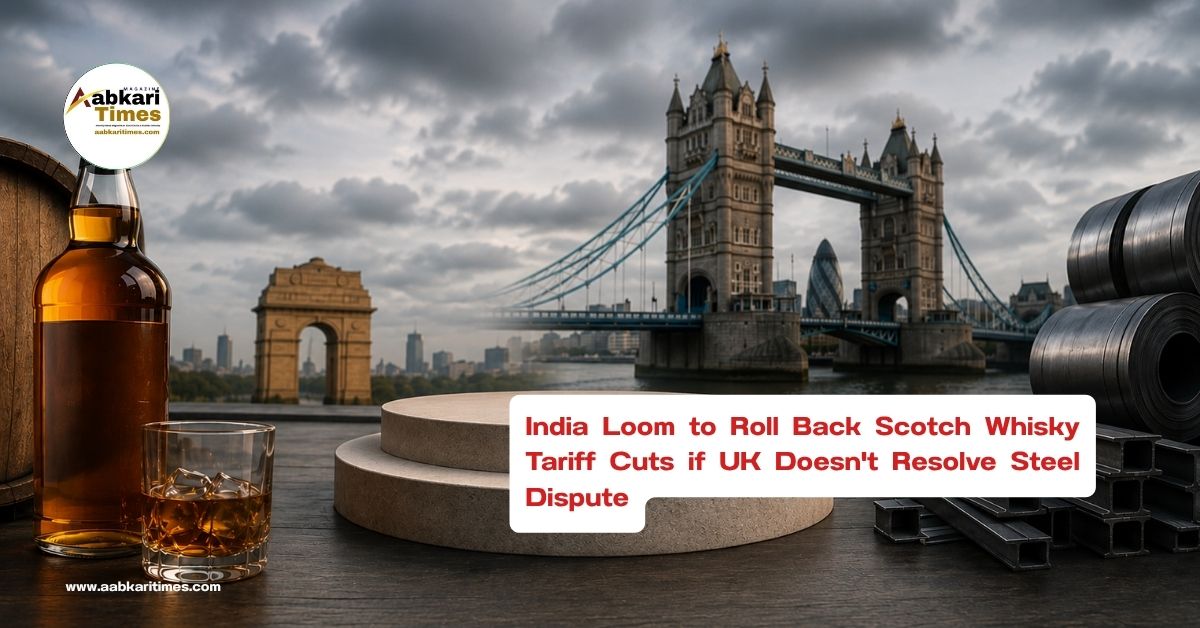
A trade deal that was supposed to make Scotch whisky cheaper in India is now at risk — and the reason has nothing to do with whisky at all. It’s about steel.
India and the United Kingdom signed a free trade agreement in May last year, with the deal scheduled to come into effect this year. Under the agreement, India committed to cutting its import duty on Scotch whisky from 150% to 75% initially, and then progressively down to 40% over a ten-year period — a significant reduction that the Scotch whisky industry had been lobbying for over decades.
But the deal has hit a roadblock. Britain has proposed stricter checks on steel imports to protect its domestic steel sector, and India says those measures would unfairly restrict Indian steel exports to the UK market. New Delhi has now signalled that if London doesn’t address its concerns, India may revisit the tariff concessions it offered — including those on Scotch whisky.
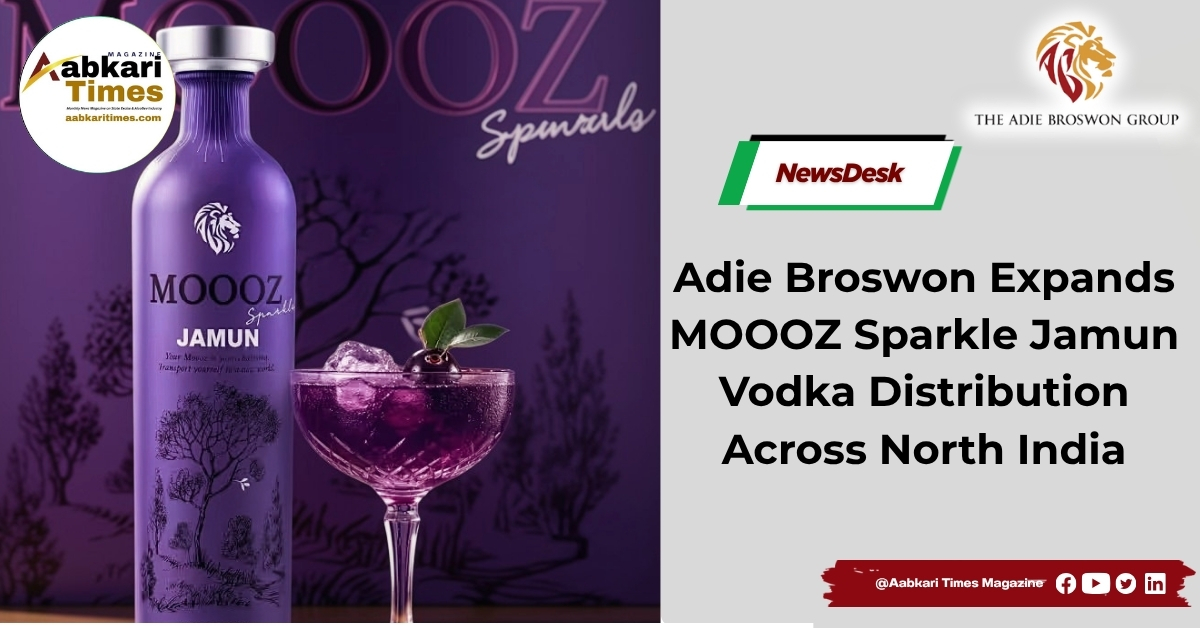
 Adie Broswon Expands MOOOZ Sparkle Jamun Vodka Distribution Across North India
 Scotch Whisky Association Appeals Against England’s New Single Malt Whisky Rules
An Indian trade official said plainly: “If they do not leverage their free trade agreement, we can always reconsider the concessions we offered. The ball is in their court.”
British Trade Secretary Peter Kyle is scheduled to visit India to meet Commerce Minister Piyush Goyal, with the steel dispute expected to be high on the agenda. The two sides are still committed to implementing the broader agreement, which is projected to add £25.5 billion — approximately $34 billion — to bilateral trade between the world’s fifth and sixth largest economies by 2040.
India is not alone in its concerns. Brazil, Turkey, Japan, South Korea, Switzerland and Australia have all raised objections to Britain’s steel safeguard measures at the World Trade Organization. Britain has also proposed carbon border controls on imports of steel, aluminium, cement and fertilisers starting January 1, 2027 — adding another layer of complexity to the negotiations.
For India’s premium spirits consumers and the Scotch whisky industry, the stakes are real. A 150% import duty has kept Scotch whisky expensive and out of reach for most Indian consumers for years. The FTA was meant to change that — but for now, the cheaper Scotch promise remains on hold until two governments can agree on steel.
About the Author