
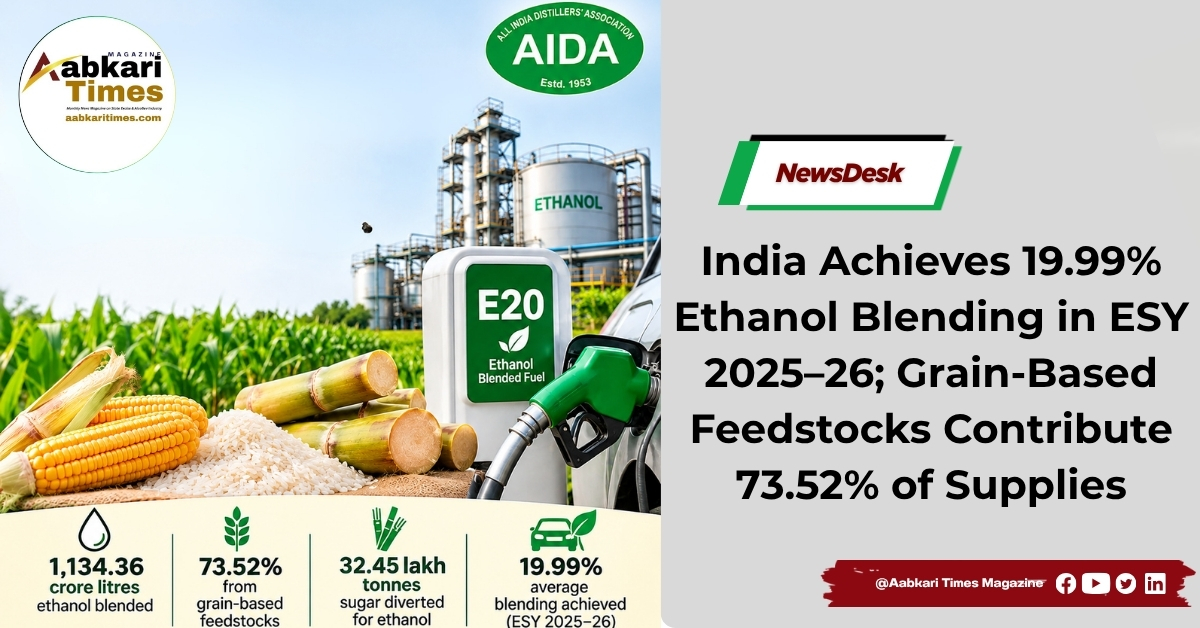
New Delhi, November 20, 2026: India has effectively achieved its 20% ethanol blending milestone during Ethanol Supply Year (ESY) 2025–26, recording an average blending level of 19.99%, according to provisional data as of October 31, 2026. A total of 1,134.36 crore litres of ethanol was blended during the supply year against an estimated requirement of 1,050 crore litres, highlighting the expanding role of domestic distilleries and agricultural feedstocks in India’s energy transition.
The data shows that total ethanol allocations stood at 1,196.90 crore litres, while actual supplies reached 1,088.91 crore litres. Grain-based feedstocks contributed 800.53 crore litres, accounting for 73.52% of total supplies, while sugar-based sources supplied 288.38 crore litres, representing 26.48%. The figures reflect a significant shift towards a more diversified ethanol production ecosystem, with grain-based distilleries playing an increasingly important role.
Among grain-based feedstocks, maize emerged as the largest contributor, supplying 489.71 crore litres, followed by surplus Food Corporation of India (FCI) rice at 233.95 crore litres and damaged foodgrains at 76.87 crore litres. Maize alone accounted for approximately 45% of total ethanol supplies, underlining its growing importance in meeting the country’s fuel requirements.
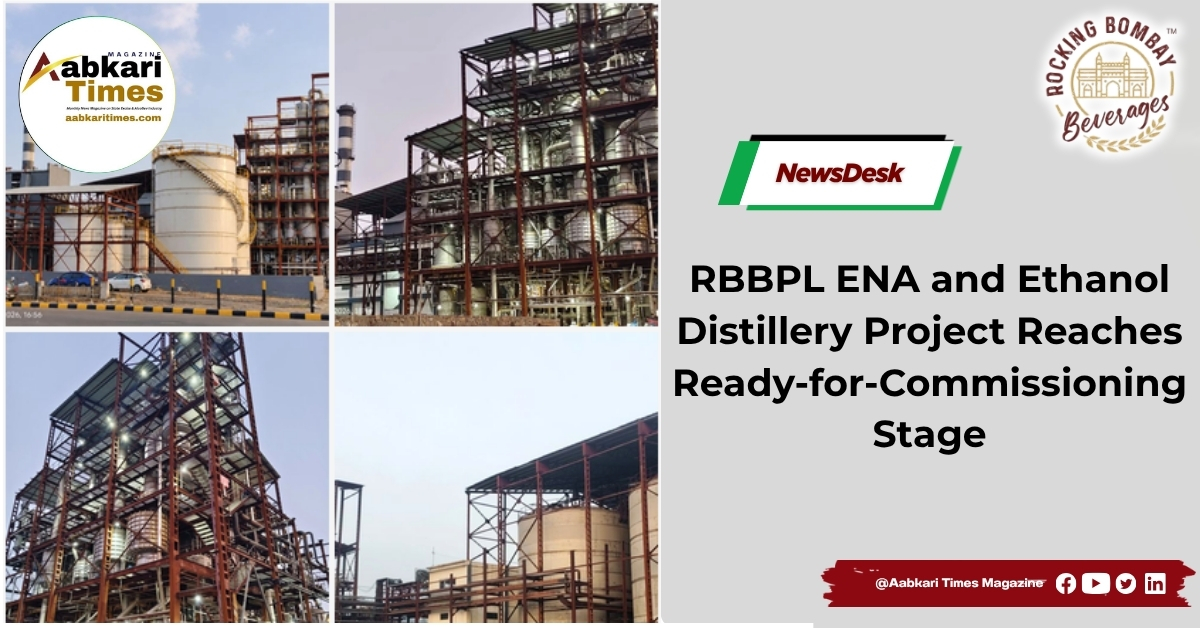
 RBBPL ENA and Ethanol Distillery Project Reaches Ready-for-Commissioning Stage
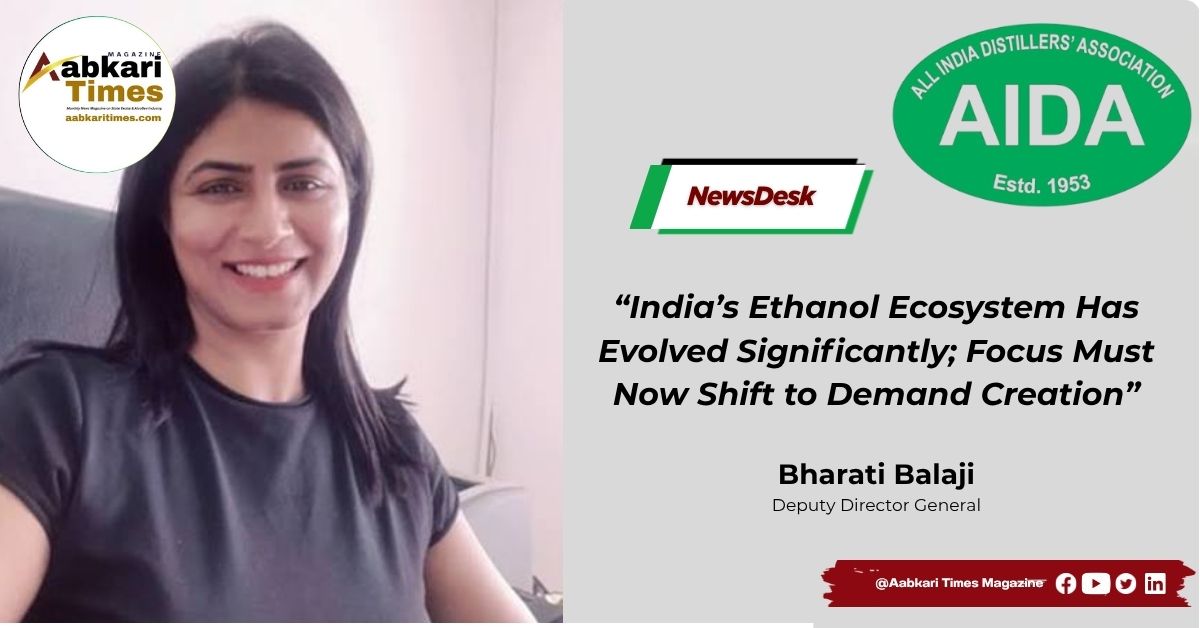
 AIDA AGM 2026 Distillers’ Association Calls for Ethanol Pricing Reforms, Feedstock Security and E20 Expansion Roadmap
 Sugar-based ethanol supplies comprised 153.36 crore litres from sugarcane juice, 118.04 crore litres from B-Heavy molasses and 16.98 crore litres from C-Heavy molasses. The programme also facilitated the diversion of approximately 32.45 lakh tonnes of sugar towards ethanol production, including 23 lakh tonnes through sugarcane juice and 9.44 lakh tonnes through B-Heavy molasses, providing an additional avenue for the utilisation of sugar resources.
Commenting on the achievement, Vijendra Singh, President of the All India Distillers’ Association (AIDA), said the milestone demonstrated how energy security, agricultural development and industrial growth could progress together. He highlighted the collective contribution of the government, oil marketing companies, ethanol manufacturers and farmers, while emphasising the importance of stable policies, timely procurement and continued investment in manufacturing capacity.
 Kushal Mittal, Vice President, AIDA, said the achievement reflected the operational capabilities developed by India’s distillery sector. He emphasised that sustaining growth would require technology upgrades, improved operational efficiencies, predictable pricing decisions, efficient logistics and continued engagement with oil marketing companies.
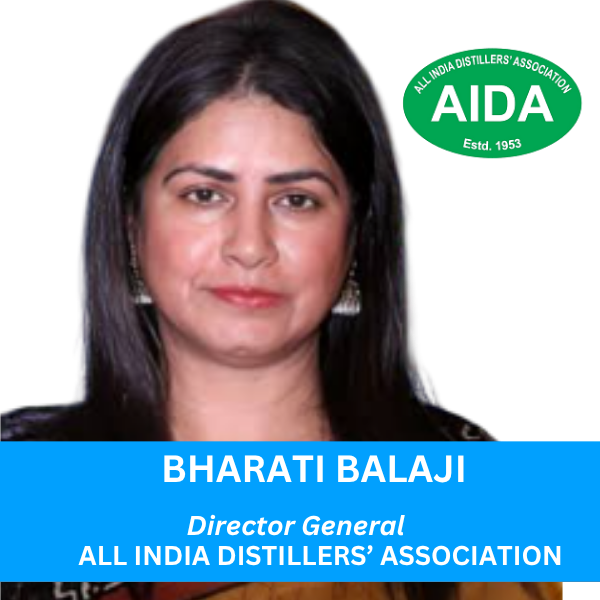 Bharati Balaji, Deputy Director General, AIDA, highlighted the growing contribution of grain-based feedstocks, particularly maize, surplus FCI rice and other agricultural resources. She said this diversification was important not only for energy security but also for creating additional market opportunities for agricultural produce. According to Balaji, stronger integration among farmers, feedstock suppliers and distilleries would be essential to building a resilient and sustainable ethanol ecosystem.
The latest figures underline the increasing connection between India’s agricultural economy and its renewable fuel ambitions. Sustaining the blending programme will require policy predictability, infrastructure development, technology upgrades and coordination across the ethanol value chain.
About the Author