
State-level excise reforms and changing market regulations are reshaping India’s alcoholic beverages industry, with Karnataka recording strong growth in premium liquor sales and Tamil Nadu emerging as a major expansion opportunity. Recent Q2FY27 earnings calls of leading alcobev companies indicate that taxation policies, pricing flexibility and improved market access are influencing sales volumes and brand performance across several states.
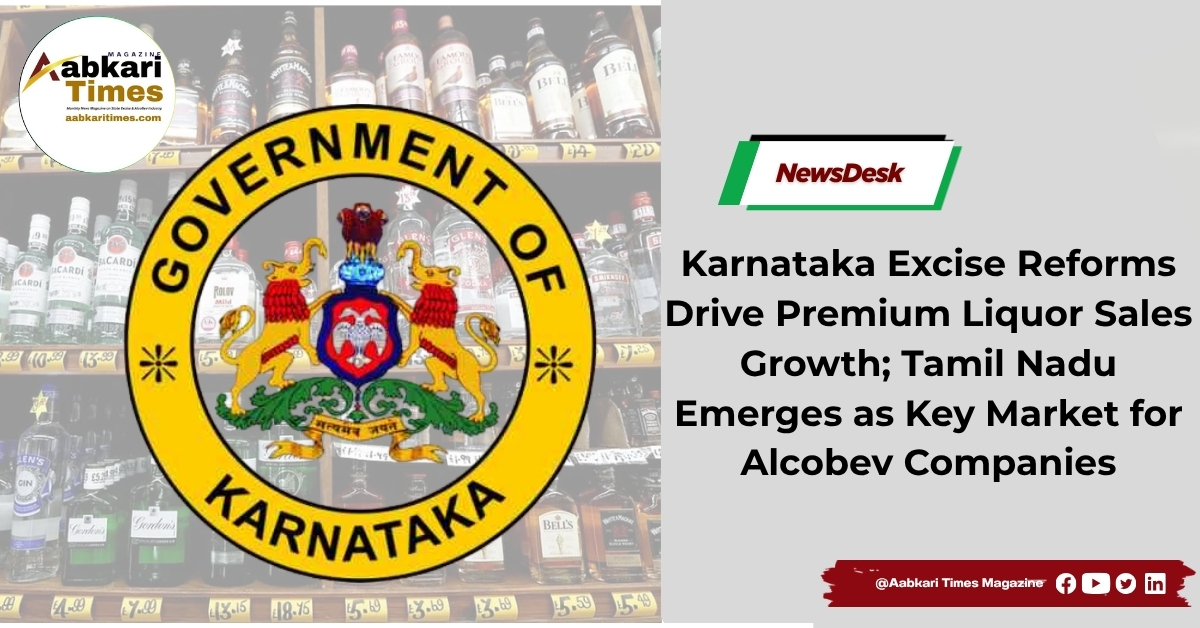
Karnataka’s introduction of an alcohol-in-beverage-based excise duty system in May 2026, replacing the earlier bulk-litre regime, has created a more favourable environment for premium products. The state also reduced liquor price slabs from 16 to eight and relaxed government-controlled price fixation. United Breweries reported more than 50% growth in Karnataka’s beer category during Q2FY27, while its own volumes increased over 60%, helping the company gain nearly 250 basis points in market share. United Spirits recorded approximately 28-30% volume growth and 32-34% value growth in the state. Tilaknagar Industries also reported strong performance, with Imperial Blue Whisky crossing 40% market share in Karnataka.
Tamil Nadu is attracting growing attention as regulatory changes and new brand registrations gradually open up its liquor market, which is estimated at more than 50 lakh cases per month. Allied Blenders and Distillers sees significant long-term potential, comparing the opportunity with Uttar Pradesh’s market development. United Breweries believes its market share in Tamil Nadu could increase from the current 30-35% to 55-60% as access improves. Tilaknagar Industries and Radico Khaitan are also targeting growth, with their respective brand portfolios recording encouraging volume trends.
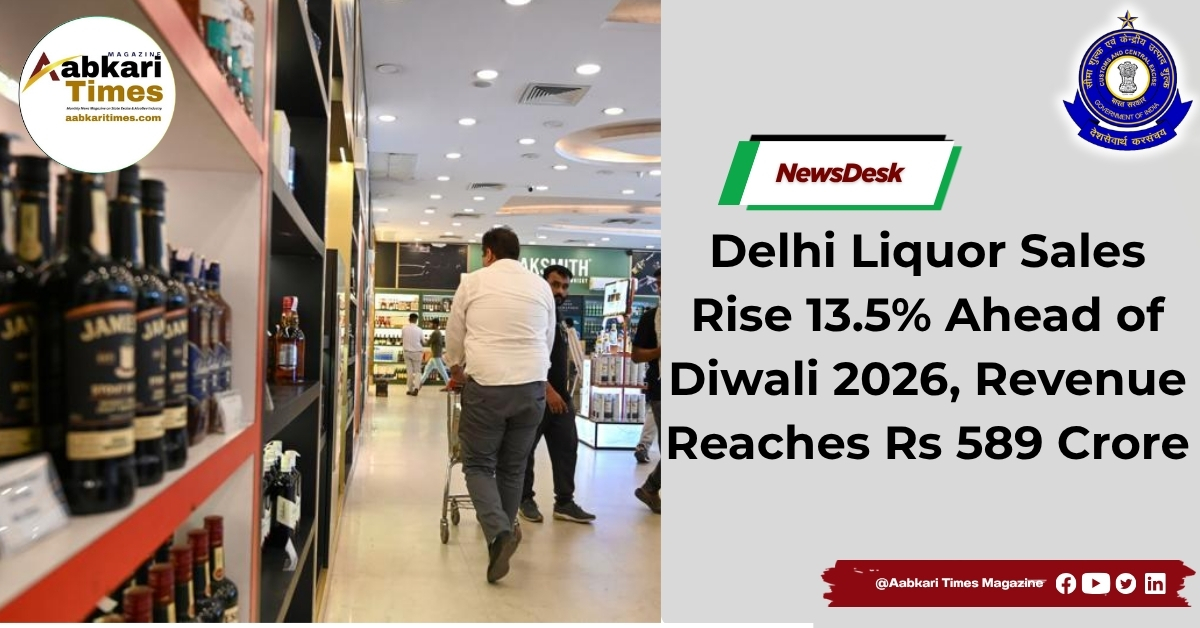
 Delhi Liquor Sales Rise 13.5% Ahead of Diwali 2026, Revenue Reaches Rs 589 Crore
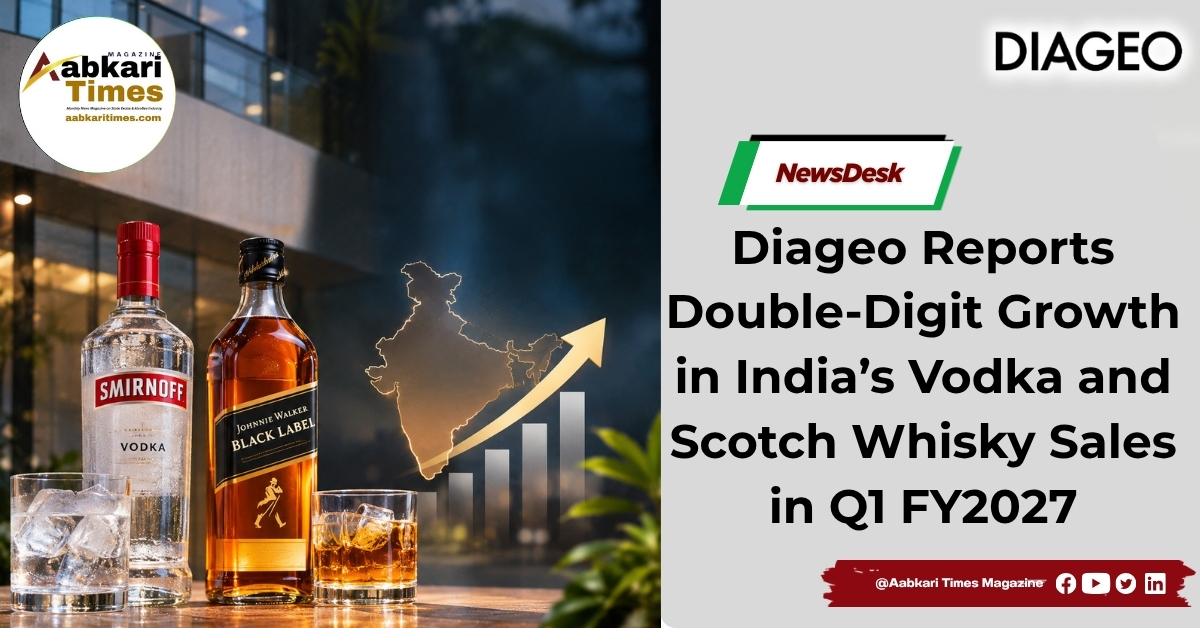
 Diageo Reports Double-Digit Growth in India’s Vodka and Scotch Whisky Sales in Q1 FY2027
Meanwhile, Telangana remains challenging due to pricing and profitability concerns, while Maharashtra’s revised excise duty structure has created mixed outcomes for manufacturers. Maharashtra increased IMFL excise duty from three times to 4.5 times the declared manufacturing cost and introduced a grain-based Maharashtra Made Liquor category.
Other markets are showing positive momentum. Allied Blenders reported a 10% market share in Andhra Pradesh, while United Breweries recorded over 40% beer category growth in Jharkhand. Overall, these developments underline how state-level excise policies and market access are becoming critical factors shaping competition, premiumisation and growth strategies in India’s alcobev industry.
About the Author