
Varanasi: Varanasi witnessed a significant surge in liquor sales during the Diwali festive period, with purchases exceeding Rs 32 crore over four days, according to figures shared by the Uttar Pradesh Excise Department. The sales were reportedly more than double the usual daily levels, highlighting a sharp increase in demand for alcoholic beverages during the festival.
According to information provided by the Excise Department to ABP Live, liquor worth more than Rs 32 crore was sold in Varanasi from Dhanteras through the following four days. This translates into average daily sales of approximately Rs 8 crore during the festive period. The figures indicate a substantial rise compared with regular consumption patterns in the district.
Under normal circumstances, Varanasi records monthly liquor sales of approximately Rs 124 crore. Based on this figure, average monthly sales work out to around Rs 4 crore per day. The reported festive sales of nearly Rs 8 crore daily therefore represent roughly twice the usual daily average, underlining the scale of the Diwali-period increase.
 Heineken Promotes Kaushik Subramanian as Head of Trade & Customer Marketing
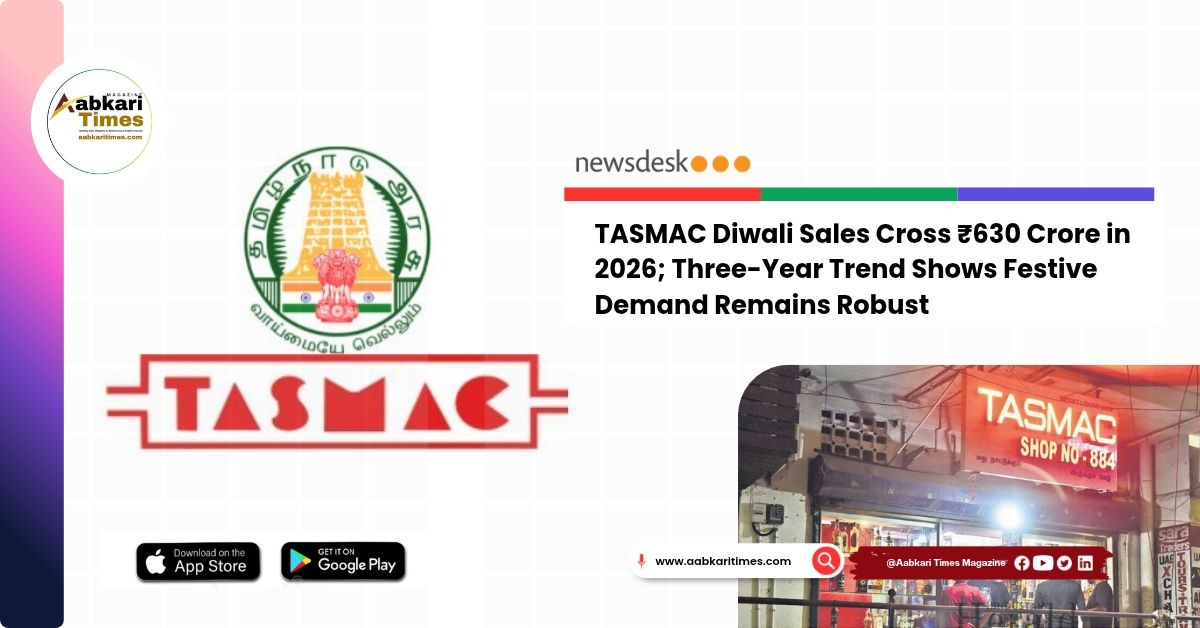
 TASMAC Diwali Sales Cross ₹630 Crore in 2026; Three-Year Trend Shows Festive Demand Remains Robust
The surge has drawn attention to the changing pattern of liquor demand during major festivals in Uttar Pradesh. While Holi is traditionally associated with increased liquor purchases, the latest figures suggest that Diwali has also emerged as a significant period for alcohol retailers in Varanasi. The four-day sales total reflects strong festive demand across the district, although the available figures do not provide a category-wise or brand-wise breakdown of purchases.
Varanasi, widely known as Kashi and one of India’s major religious and cultural centres, celebrated Diwali with illuminated homes, decorative lights and fireworks. Alongside the festive celebrations, the rise in liquor sales has become a notable talking point.
The reported Rs 32-crore figure offers an indication of the scale of alcohol purchases during the festival and highlights the importance of festive periods for the state’s liquor retail market. However, the figures represent sales value and should not be interpreted as a direct measure of alcohol consumption. A detailed breakdown of sales by beverage category and comparison with previous Diwali periods would help establish whether this year’s performance represents a new record.
About the Author