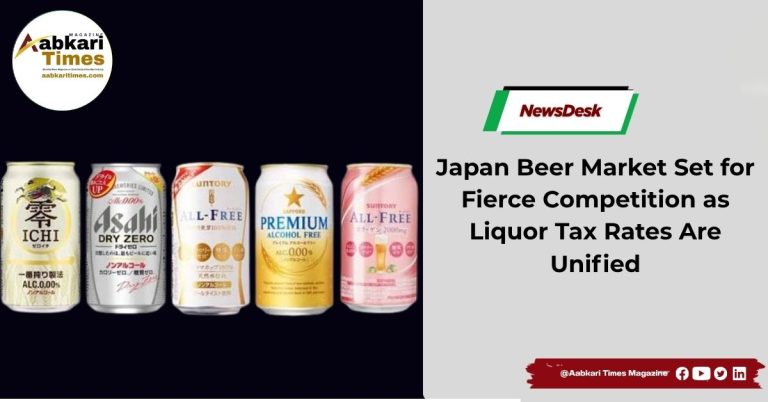

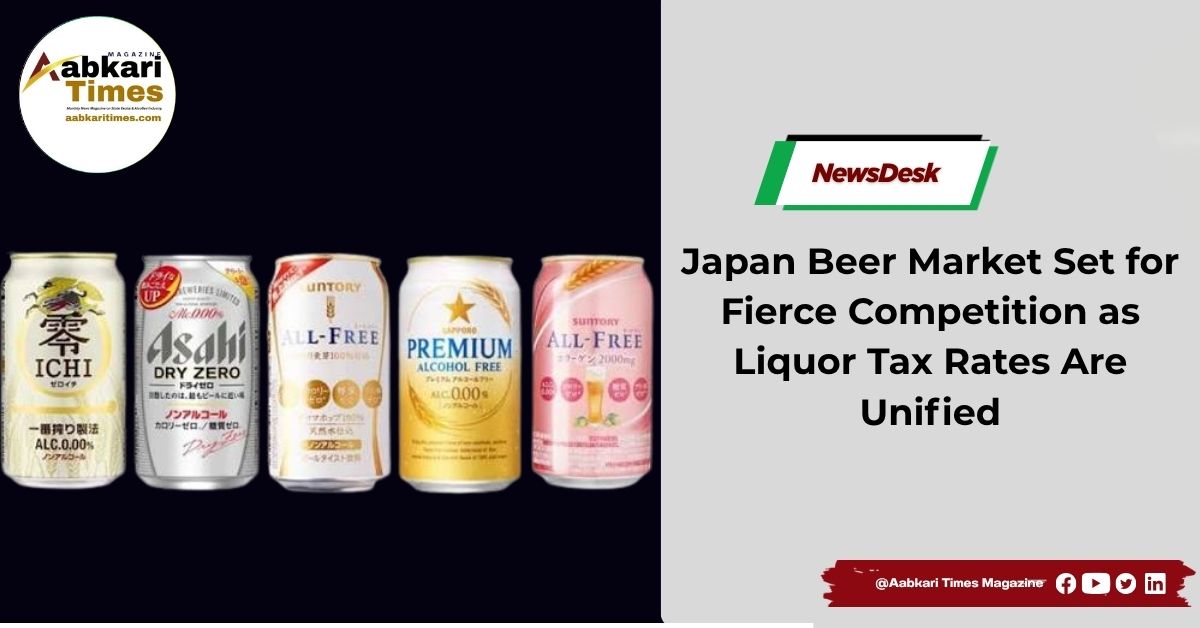
Japan’s beer industry is preparing for intensified competition as the country moves to unify liquor tax rates on beer and related beverages from October 1, 2026. Major Japanese brewers, including Asahi Breweries, Kirin Brewery, Sapporo Breweries and Suntory Spirits, are revamping flagship products, launching marketing campaigns and repositioning beer-like beverages to prepare for the tax changes. The reform is expected to narrow retail price differences between conventional beer, happōshu and third-segment beverages, potentially encouraging consumers to switch back to traditional beer.
Currently, beer and beer-like products in Japan are classified into three categories, largely based on their malt content, with conventional beer historically attracting the highest liquor tax. The government has gradually revised these tax rates since 2020. Under the latest changes, the tax on a 350-millilitre can of beer will decrease by approximately ¥9, while taxes on happōshu and third-segment beverages will increase by around ¥7. These adjustments are expected to influence retail prices and purchasing decisions across the Japanese beer market.

In response, Asahi Breweries has revamped its flagship Super Dry beer, while Kirin Brewery has renewed its Ichiban Shibori brand and launched a major marketing campaign. Sapporo Breweries is also promoting its Black Label beer through a members-only store in Tokyo’s upscale Ginza district. These initiatives reflect the industry’s efforts to strengthen brand appeal as the price gap between beer categories narrows.
Suntory Spirits is adopting a different strategy by reclassifying its Kinmugi beer-like beverage as beer while aiming to maintain a price advantage over competing flagship products. President Eiichiro Nishida said the company would focus on meeting consumer demand for an enjoyable drinking experience at a reasonable price. Similar repositioning plans involve Asahi’s Clear Asahi, Kirin’s Honkirin and Sapporo’s Mugi to Hop.
→ United Breweries to Invest ₹750 Crore in New Greenfield Brewery in Uttar Pradesh→ Indian Liquor Brands Dominate Delhi Sales as IMFL Outpaces Imported Spirits
The tax reform is also creating opportunities for retailers and private-label brands. Japanese supermarket operator Ito-Yokado and home improvement retailer Cainz have introduced their own beer products at prices below those of major brewers. Ito-Yokado has attributed its lower costs to outsourced manufacturing and changes to packaging materials.
As Japan’s unified liquor tax structure takes effect, competition is expected to centre on pricing, product innovation, brand loyalty and marketing strategies. The changes could reshape consumer preferences and intensify the battle for market share among established breweries and private-label beer producers.
About the Author