
Anheuser-Busch InBev (AB InBev) is planning a new approach to revive beer consumption by focusing on affordability, smaller pack sizes, functional ingredients and changing consumer preferences. The brewing giant is looking to attract so-called “infrequent drinkers” who have reduced beer consumption amid pressure on household budgets and changing drinking habits.
During a recent investor meeting, AB InBev Chief Marketing Officer Marcel Marcondes said affordability remains a major factor influencing consumers’ decisions to drink less beer. The company plans to explore both smaller pack formats and larger-volume options, with the aim of offering consumers more flexible price and consumption choices. The strategy could affect a number of AB InBev brands, including Bud Light, Michelob Ultra and Stella Artois, although the company has not specified which brands will receive new formats.

The move toward smaller packs is already visible in Bud Light, with the company introducing mini-sized 7-ounce bottles and 7.5-ounce cans earlier this year in a campaign featuring singer Post Malone. The smaller formats are designed to provide consumers with greater flexibility while potentially lowering the upfront cost of purchase.
AB InBev is also focusing on consumer groups that are showing changing preferences, including female drinkers and younger legal-drinking-age consumers. According to Marcondes, demand is increasing for flavored beverages, lower-calorie products and “Beyond Beer” categories, including ready-to-drink (RTD) brands. The company acquired an 85% stake in BeatBox earlier this year in a deal valued at up to $490 million, expanding its presence in the fast-growing RTD segment.
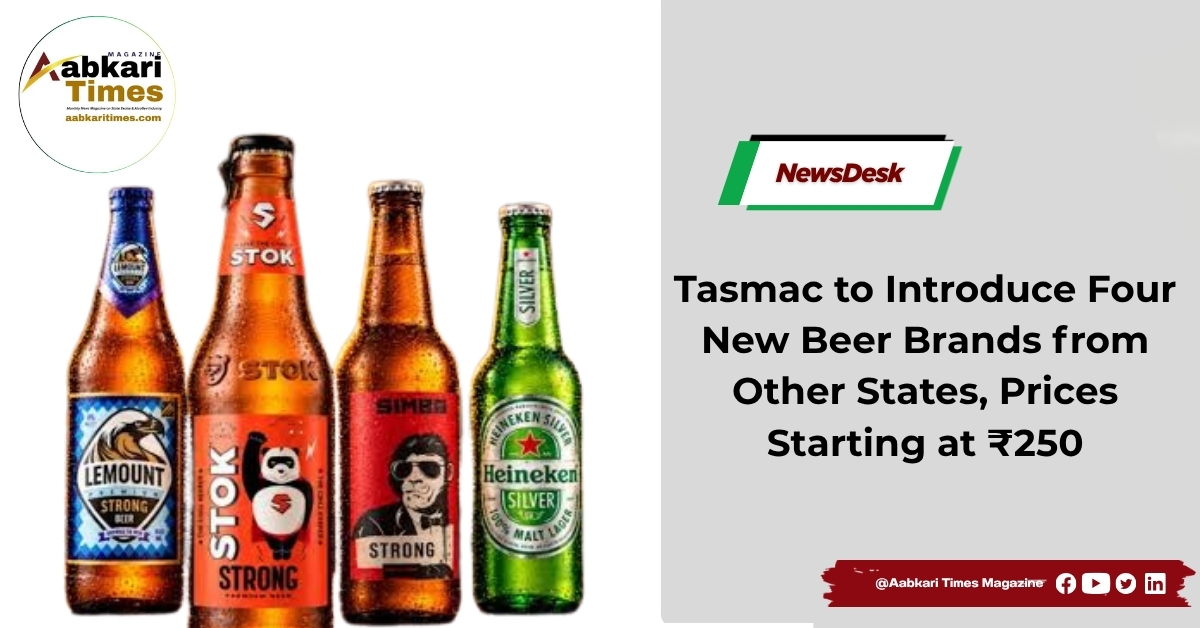
 Tasmac to Introduce Four New Beer Brands from Other States, Prices Starting at ₹250
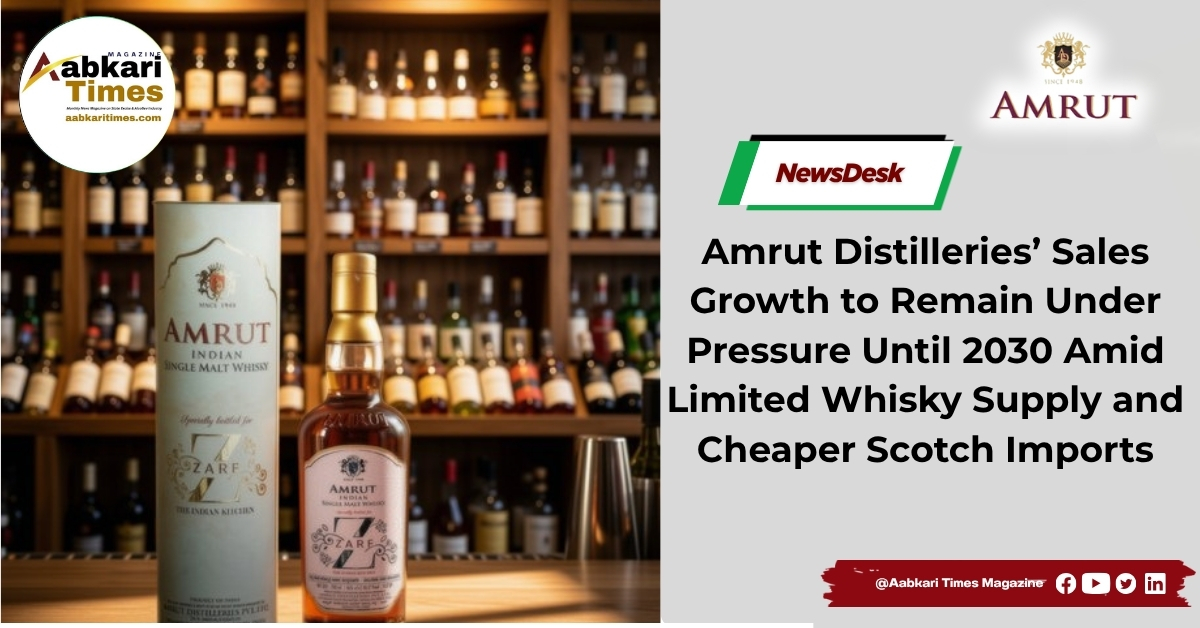
 Amrut Distilleries Expects Flat Sales Until 2030 Amid Indian Single Malt Whisky Supply Constraints
The brewer is also examining the potential of functional and non-alcoholic beer, particularly for casual drinking occasions and meals. Future zero-proof beer products could incorporate different flavors, fewer calories, protein and electrolytes, reflecting broader interest in beverages positioned around wellness and functionality.
AB InBev’s latest strategy signals a broader shift in the beer industry, as major brewers explore new formats, ingredients and beverage categories to respond to changing consumer spending patterns and drinking habits.
About the Author