
New Delhi: Imported whisky, wine and other international alcoholic beverages often carry significantly higher retail prices in India than in their countries of origin. While customs duties are an important factor, state excise taxes, regulatory fees, transportation, warehousing and distributor margins collectively contribute to the final price consumers pay.
India’s alcoholic beverage taxation system is particularly complex because liquor is regulated primarily by individual states. Each state follows its own excise policy, licensing procedures and pricing framework, resulting in substantial price differences for identical imported products across markets such as Delhi, Maharashtra, Karnataka and Haryana.
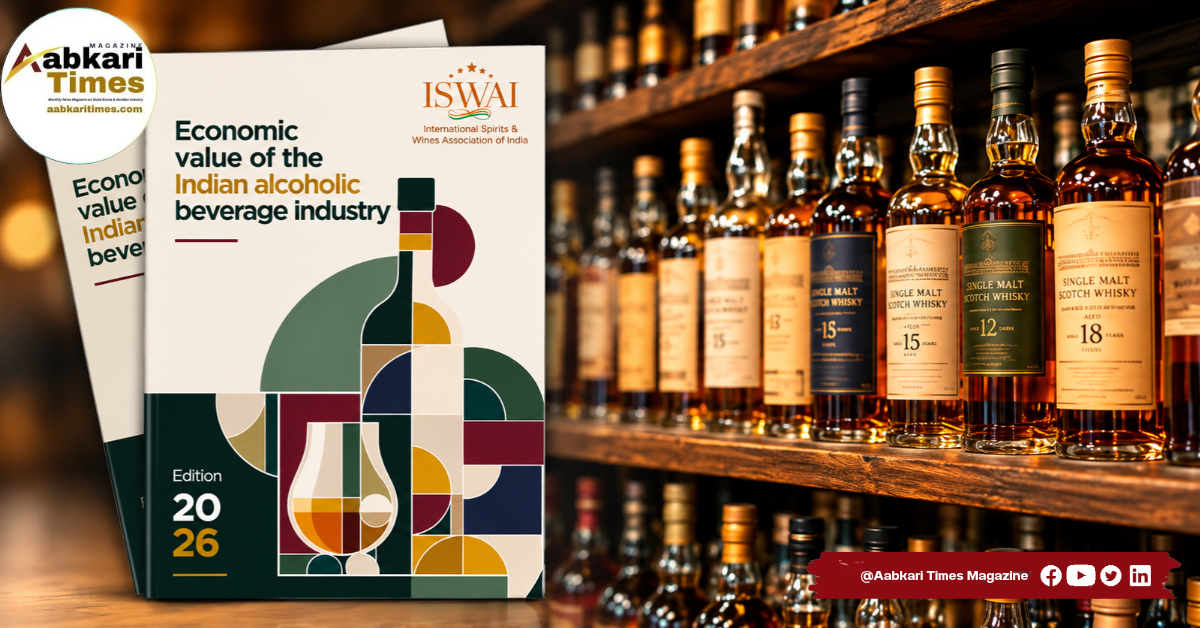
According to industry figures cited in the report, combined central and state revenues from alcoholic beverages reached approximately ₹4 lakh crore in FY2024-25, compared with ₹2.4 lakh crore in FY2021. Meanwhile, premium alcoholic beverages recorded a compound annual growth rate of 10.2% between 2022 and 2025, according to the International Spirits & Wines Association of India (ISWAI).
 Rampur Unveils Final Jugalbandi #7 and #8 Editions with Indian Classical Music-Inspired Packaging by Buffalo Soldiers
 Indian Single Malt Whisky Craftsmanship and Innovation Behind Limited-Edition Releases
Imported liquor first attracts applicable customs duties and clearance charges upon entering India. Additional state-level excise duties, registration fees and other regulatory costs subsequently increase the landed price before the product reaches retailers.
Logistics expenses also influence pricing. International shipments require transportation, storage, inventory management and distribution networks, while wholesalers and retailers incorporate operating expenses and commercial margins.
Explaining the pricing structure, Amit Goel, Director of Rad Elan Distributors, as per reports of NDTV that imported liquor prices reflect multiple costs beyond customs duties. He noted that industry estimates place the customs duty component at approximately 10–20% of the final retail price, meaning import duty reductions may not translate into equivalent consumer savings.
Goel highlighted that Rad Elan’s operations across 18 Indian states demonstrate how varying excise regulations, taxation systems and distribution structures influence product availability and pricing.
Distributors also play an important role in helping international spirits brands navigate state-specific compliance requirements, develop retail partnerships and identify suitable markets.
As India’s premium spirits market expands, the industry’s pricing challenges underline the importance of regulatory clarity, efficient distribution and transparent taxation. Ultimately, imported whisky prices reflect a combination of import costs, government levies and supply-chain expenses rather than customs duties alone
About the Author