

The application is scheduled to be submitted to France’s National Institute of Origin and Quality (INAO) on October 15, following five years of negotiations among industry stakeholders. The proposal is expected to be reviewed in November 2026, with approval anticipated in February 2027, followed by a two-month opposition period.
Under the proposed rules, brewing, fermentation, distillation and maturation would have to take place in mainland France. The framework would introduce enforceable standards covering raw materials, production methods, ageing and labelling, providing stronger protection than a collective trademark.

The draft specification would establish three categories: “Whisky de France,” “Whisky de France Grain” and “Whisky de France Malt.” Additional requirements would govern claims such as “single malt” and “single grain.” The proposal also seeks to accommodate different production styles, including peated whisky, while strengthening domestic sourcing requirements.
Distillation would be subject to limits on alcohol strength at the still exit: 93% for the general category and 88% for Grain and Malt categories. Continuous distillation would be permitted under specified conditions, while certain categories would face a still-capacity limit of 120 hectolitres.
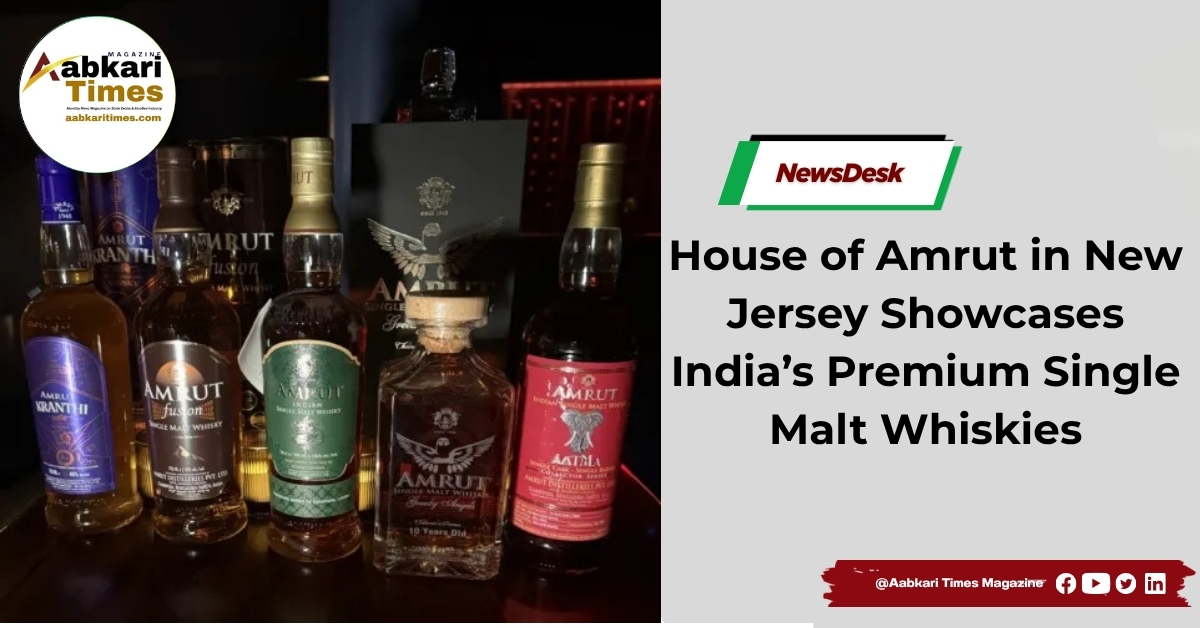
 House of Amrut in New Jersey Showcases India’s Premium Single Malt Whiskies
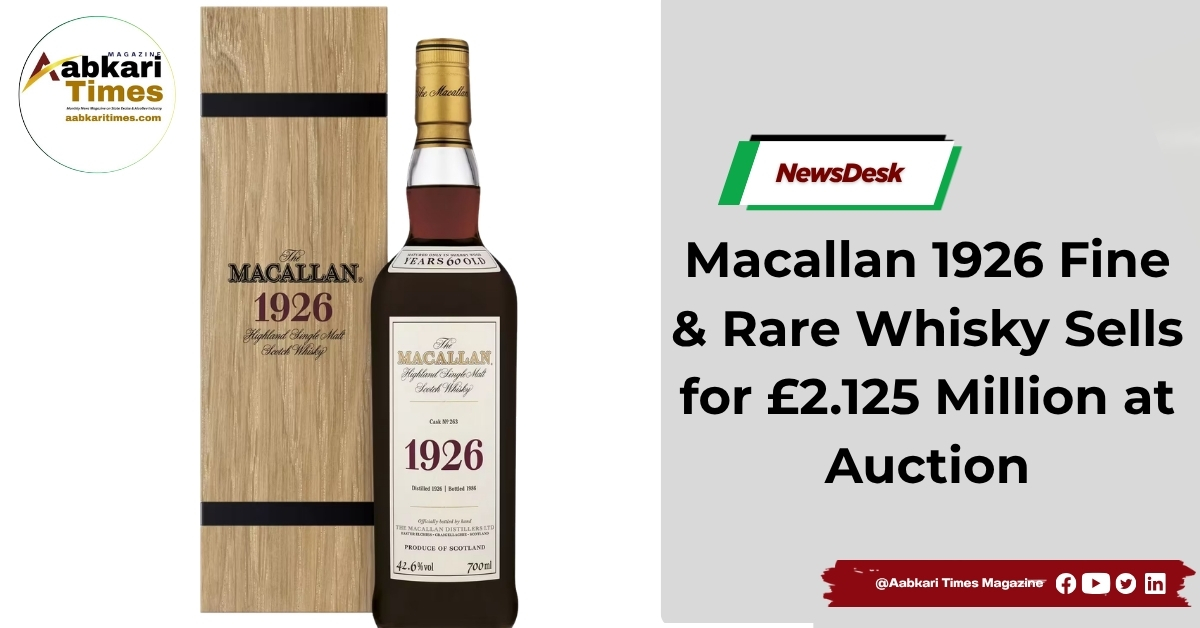
 Macallan 1926 Fine & Rare Whisky Sells for £2.125 Million at Auction
The proposed GI would also regulate cask finishing. Whisky would need to spend at least one month in the finishing cask, which must previously have contained the beverage referenced on the label, such as port, red wine or Sauternes. The draft would limit these casks to five fillings after their initial use.
The rules could significantly affect products currently marketed as French whisky. Simply bottling imported whisky in France would not qualify it for the designation. Producers failing to meet the specification would also lose the right to use French references and national symbols under the proposed GI.
Regional producers in Brittany and Alsace may face a choice between their existing regional geographical indications and the national designation, as French law does not permit both simultaneously.
If approved, the GI could reshape cereal sourcing, production standards and export positioning, giving French whisky a clearer identity and stronger consumer protection.
About the Author