
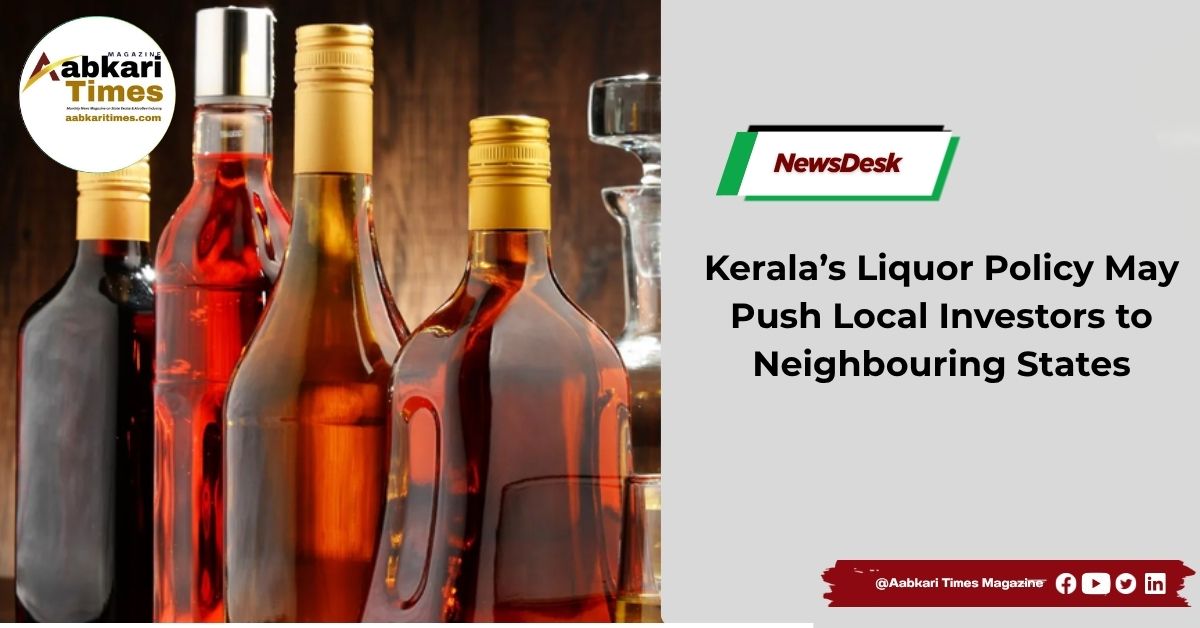
Kerala’s liquor and beverage sector is facing growing concerns over the loss of potential investments, with entrepreneurs pointing to high regulatory costs, limited industrial space and an uncertain policy environment as major hurdles for setting up manufacturing units in the state. Industry participants say the existing framework can make it difficult for new liquor brands to enter the market, expand operations and access markets outside Kerala.
One of the major concerns raised by entrepreneurs is the high cost of liquor label and brand registration. Rajkumar T P, founder and CEO of Indo Pacific Beverages LLP, said obtaining label approval in Kerala can be particularly expensive for startups. According to him, approval for the front and back labels of a glass bottle costs around ₹50,000, while brand registration involves another ₹50,000. For plastic bottles, the combined regulatory cost can rise to around ₹2 lakh.

Entrepreneurs argue that these charges are considerably higher than in competing states such as Goa, Karnataka and Tamil Nadu, where the overall registration-related cost is estimated at around ₹25,000. The cost difference becomes more significant for emerging brands that need to launch multiple products and invest heavily in marketing, distribution and production.
Another challenge is the procedure and cost involved in taking Kerala-made liquor brands to other states. Rajkumar said Kerala can charge around ₹1 lakh for approval when a brand seeks to introduce its products in another state, while Goa reportedly allows manufacturers to sell their products across the country for a much lower fee of about ₹5,000. Industry representatives believe such regulatory differences can discourage entrepreneurs from establishing manufacturing operations in Kerala.
 Odisha Collects ₹24,455 Crore in Excise Duty Over Five Years, CAG Report Reveals
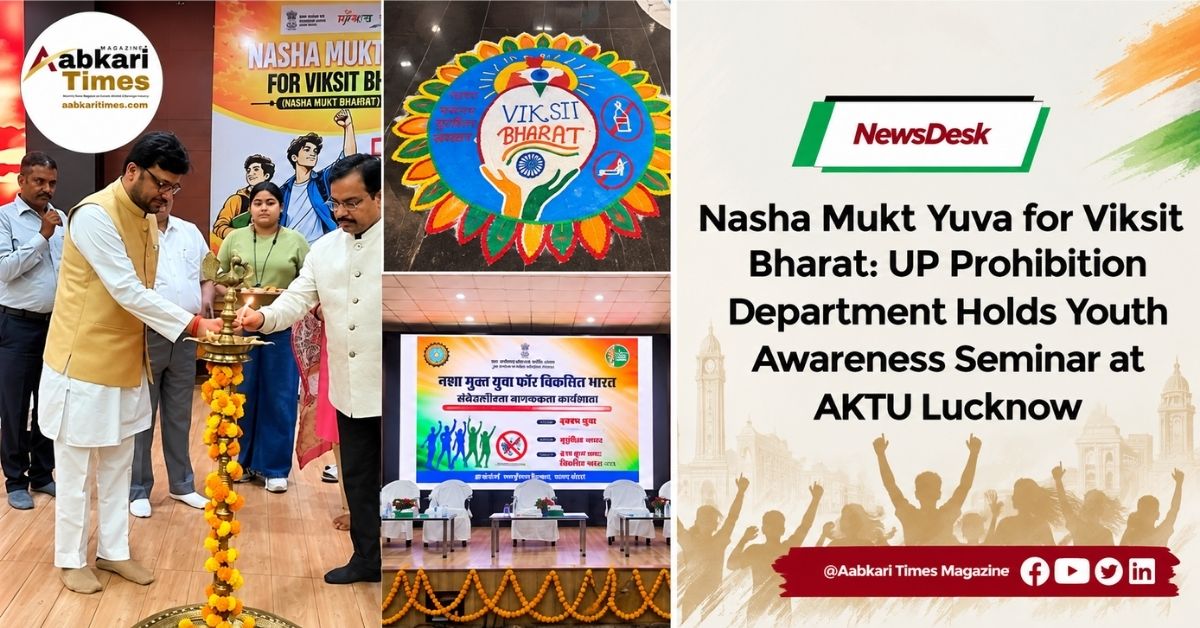
 Nasha Mukt Yuva for Viksit Bharat UP Prohibition Department Holds Youth Awareness Seminar at AKTU Lucknow
According to industry participants, states such as Goa and Karnataka have developed a broader beverage ecosystem by connecting manufacturing with tourism, distillery visits and brand experiences. Kerala, despite its strong tourism potential and established liquor market, has yet to fully develop a similar ecosystem.
Former excise minister M B Rajesh has also highlighted the opportunity for Kerala to expand its liquor manufacturing and raw-material capabilities. He pointed out that although the state has nine distilleries, it does not produce enough extra neutral alcohol (ENA) to meet the requirements of its liquor industry and consequently depends on supplies from other states. He estimated that Kerala imports ENA worth around ₹3,000 crore annually, representing a significant opportunity for local production and value addition.
Rajesh cited the proposed distillery project in Palakkad as an example of the investments Kerala could potentially lose to neighbouring states. He said the project encountered legal hurdles but maintained that the issue was technical rather than a fundamental objection to the project.
Industry voices also argue that Kerala’s liquor policy needs greater consistency to encourage long-term investment. Gautam Menon, founder of premium rum brand Wild Tiger Rum and a Palakkad native, said successive governments have largely maintained the existing system because of the revenue generated by the liquor sector and the political sensitivity surrounding alcohol.
The debate comes as Indian liquor manufacturers increasingly look beyond their home states for production and export opportunities. The UAE, one of the important overseas markets for Indian liquor, is cited as a major opportunity, with industry representatives claiming that a large share of Indian liquor supplied to the UAE currently originates from Uttar Pradesh.
For Kerala, industry stakeholders say reducing regulatory costs, simplifying approval procedures and creating a stronger manufacturing and export ecosystem could help the state retain local entrepreneurs while attracting fresh investments into the liquor and beverage sector.
About the Author