
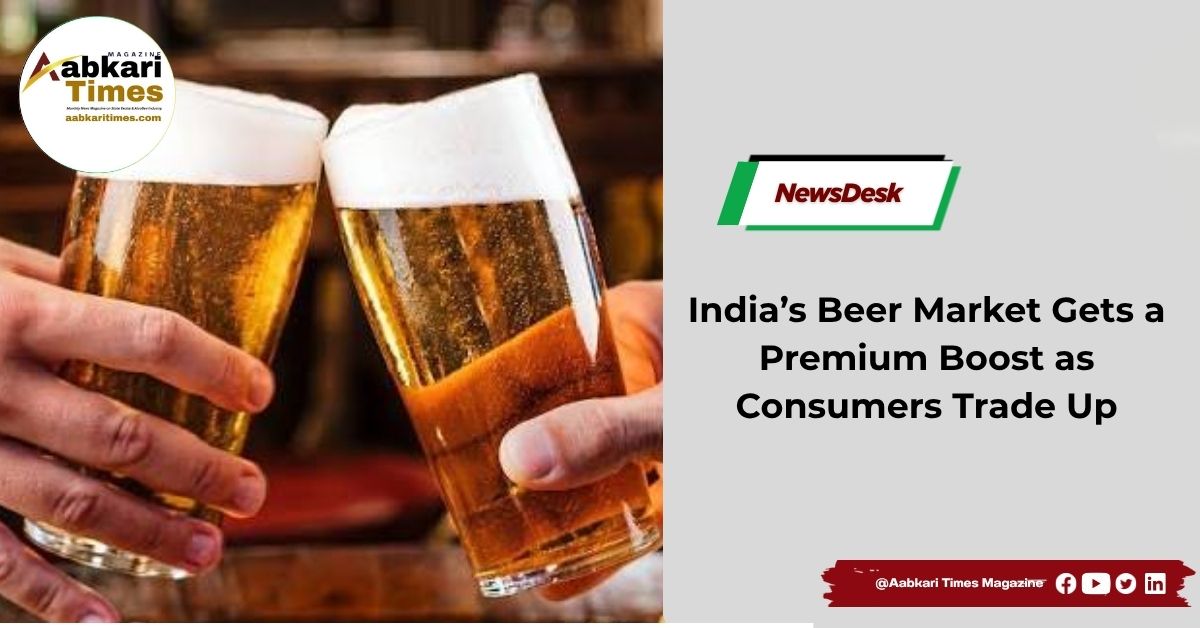
New Delhi: India’s beer market is witnessing a strong shift towards premium and super-premium products as consumers increasingly trade up, helping beer narrow the volume gap with spirits. According to data from drinks consultancy IWSR accessed by Mint and cited by the Brewers Association of India (BAI), beer volumes grew at an annual rate of around 12% between 2021 and 2025, more than twice the growth rate of spirits during the same period.
Beer volumes increased from 21.29 million hectolitres in 2021 to 36.9 million hectolitres in 2025, while spirits volumes rose from 30.44 million hectolitres to 38.15 million hectolitres. This reduced the volume gap between beer and spirits from 9.15 million hectolitres in 2021 to just 1.25 million hectolitres in 2025. The overall beer market is expected to maintain its growth momentum, with volumes estimated to reach 41-42 million hectolitres, or around 530 million cases, in 2026.
The strongest growth, however, is coming from premium beer. IWSR data shows that premium beer’s share of total beer sales increased from 12% in 2021 to 20% in 2025 and an estimated 22% in 2026. Premium beer volumes have been growing at an estimated annual rate of around 30%, more than twice the pace of the overall beer market. BAI Director General Vinod Giri said beer volumes are expected to reach 41-42 million hectolitres this year, with premium beer accounting for around 22% of the market.
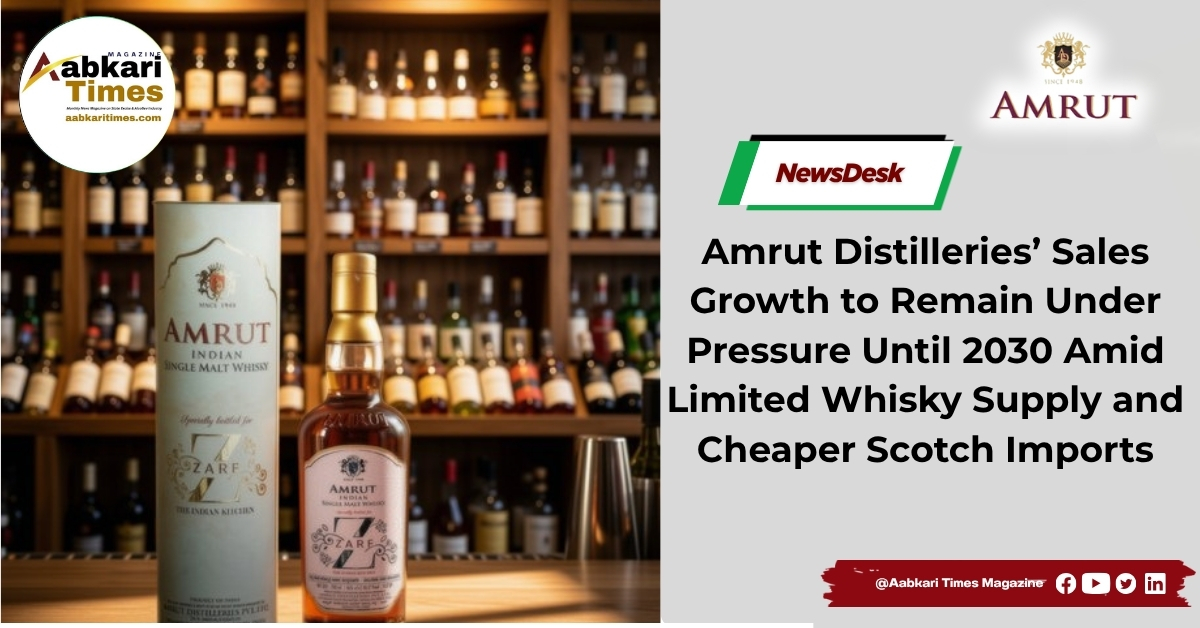
 Amrut Distilleries’ Sales Growth to Remain Under Pressure Until 2030 Amid Limited Whisky Supply and Cheaper Scotch Imports
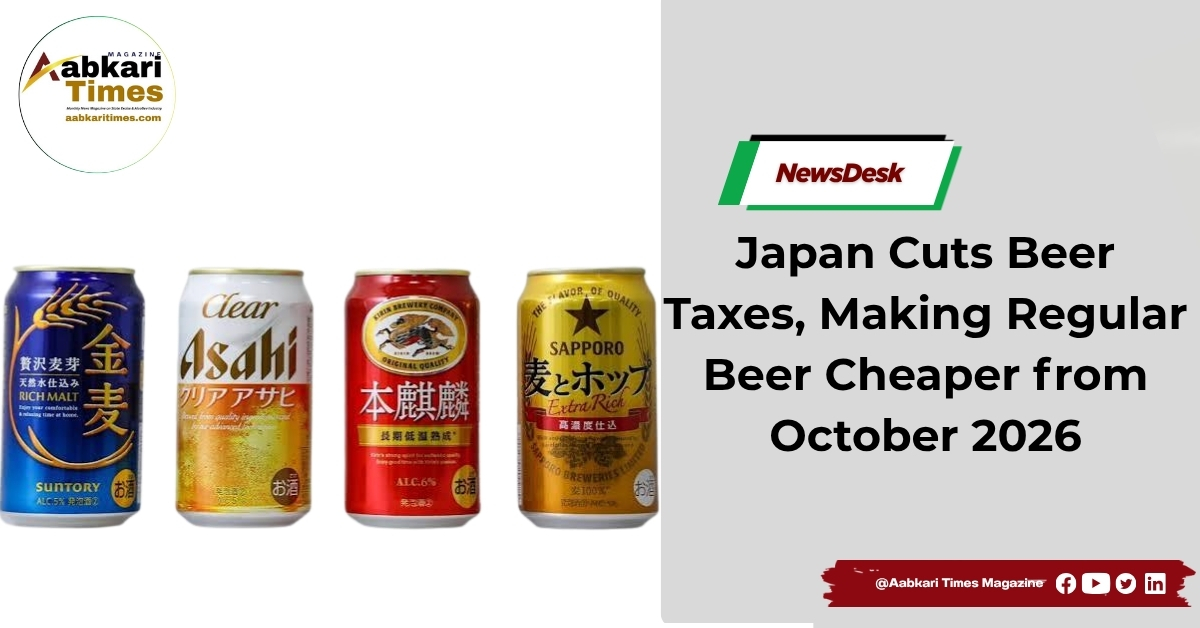
 Japan Cuts Beer Taxes, Making Regular Beer Cheaper from October 2026
India’s beer market is also showing a significant recovery in sales. Pan-India beer sales increased 17% year-on-year in the June quarter of FY27, marking the strongest growth in five quarters. This followed 11% growth in the previous quarter, while sales had declined 0.2% in the year-ago period. The industry expects beer to register healthy growth through the year.

Premiumization is now becoming a key part of the growth strategy for major brewers. United Breweries Ltd (UBL), maker of Kingfisher, expects its premium portfolio to grow by 20-25% annually over the next three to five years, well ahead of the overall beer market. Cans are also gaining traction in several states, supported by premiumization and changing consumer preferences.
Anheuser-Busch InBev (AB InBev), whose brands include Budweiser, Corona and Hoegaarden, expects premium and super-premium brands to contribute around 75% of its India business within the next three to four years, compared with approximately 60% currently. The company is also expanding canning capacity to meet rising demand for premium beer.
The premiumization trend is also creating opportunities for smaller and emerging beer brands. Shantanu Upadhyay, co-founder of premium beer brand Kati Patang, said India’s beer market has traditionally encouraged consumers to prioritize higher alcohol content and affordability rather than quality. However, changing consumer preferences are creating greater demand for differentiated and premium products.
Kati Patang’s premium portfolio grew more than 50% in volume between the fourth quarter of FY26 and the first quarter of FY27. Its beers are priced around 30-50% above mainstream and competing products, with the company focusing exclusively on premium and craft beer.
Tax changes in some states could further support the premium beer segment. In Karnataka, the shift towards an alcohol-content-linked duty structure is expected to improve the economics of lower-ABV beers, which require less alcohol per litre. This could encourage greater consumption of premium beers that focus on taste and quality rather than higher alcohol strength.
 Medusa Beverages also expects premium products to become a larger part of its portfolio. Founder and CEO Avneet Singh said premium products are expected to account for around 20% of the company’s portfolio by the end of 2026, up from 11% last year. Meanwhile, Simba co-founder Ishwaraj Singh Bhatia sees premiumization as an important growth driver as consumers increasingly look for differentiated products and experiences.
Simba currently has around 30% of its portfolio in the premium segment and expects premium and non-premium products to reach an equal share over the next three years. The company is also expanding its product range with launches such as Simba Wild.
Industry players believe consumers are willing to pay a premium when the product delivers a noticeably better experience. Bhatia said there is no fixed price point for premium consumers because beer prices and taxation differ significantly across states, but consumers are increasingly prepared to pay more for products offering elevated taste and quality.
With premium and super-premium brands growing faster than the overall market, India’s beer industry is entering a new phase in which premiumization, product differentiation and consumer experience are emerging as key drivers of future growth.
About the Author