

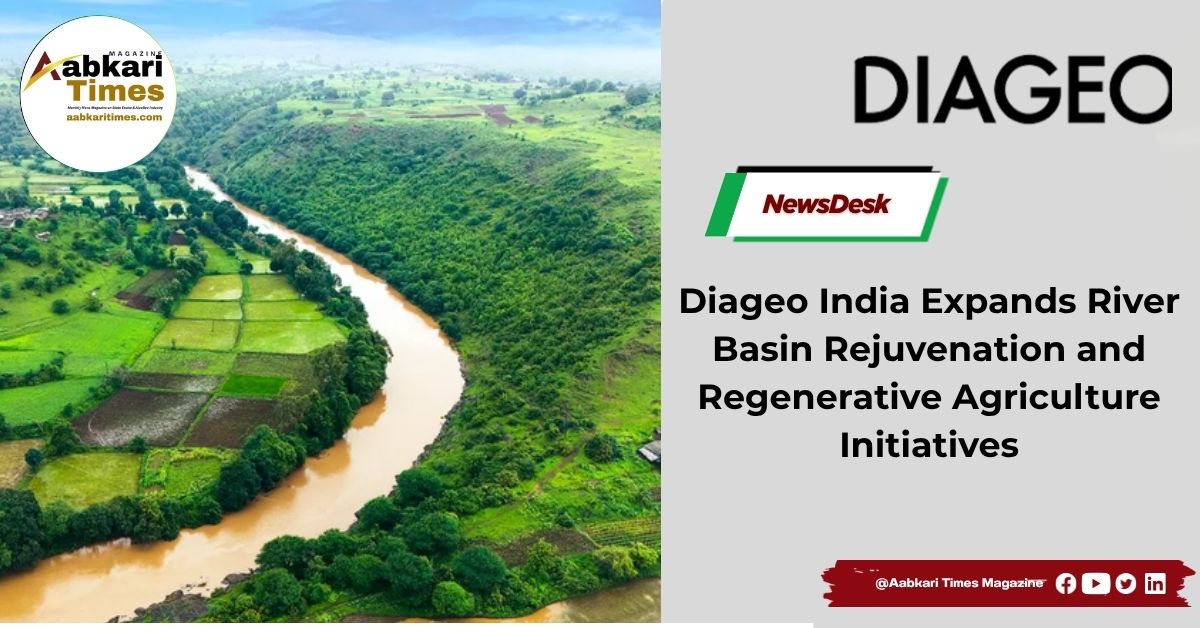
New Delhi: Alcobev major Diageo India is expanding its sustainability efforts through basin-level water management projects in the Godavari and Yamuna river basins, alongside initiatives focused on water replenishment, WASH (Water, Sanitation and Hygiene), regenerative agriculture and community development. The company is working with government agencies, local bodies, NGOs and industry partners to develop long-term solutions for water security and environmental resilience.
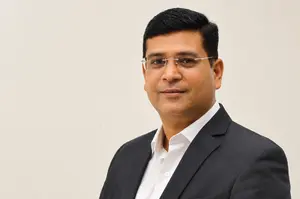 Navdeep Singh Mehram, Vice-President, CSR & Sustainability, Diageo India, said the company is currently undertaking projects in Nanded and Nashik in Maharashtra, located at different ends of the Godavari river basin, and has recently begun initiatives in the Yamuna river basin. Now in its third year, the Godavari Initiative is designed to promote collective action at the river-basin level, bringing together corporates, government departments, NGOs and panchayats. Companies including Coca-Cola India and Arvind Mills, along with regional businesses such as Jain Irrigation, paper mills and sugar mills, are participating in the initiative.
Under the Godavari programme, Diageo is mapping a nine-district stretch between Nashik and Nanded to identify local variations in flooding and drought conditions and develop location-specific water management solutions. In water-stressed areas, projects focus on clearing channels to improve monsoon water flow, while flood-prone regions are using water-balancing measures implemented through local NGO partners.
→ GianChand Single Malt Appoints INNOCEAN India as Digital and Social Media Agency→ Sherry Platinum Whisky Crosses 1 Million SKU Milestone, Expands Presence Across Key Markets
In Nashik, Diageo is installing boom barriers to collect plastic waste from waterways and is working with the district administration on flower-waste recycling. The company is also participating in the Kumbh administration committee. In Nanded, the district administration has allocated a five-kilometre channel to Diageo for cleaning and flood-mitigation activities. The company is investing approximately ₹3 crore to ₹3.5 crore in water-related projects across Maharashtra.
The initiatives form part of Diageo India’s broader “grain to glass” sustainability strategy, according to Srinidhi S. Rao, Head of Sustainability, Diageo India. The company operates manufacturing facilities across Maharashtra, Rajasthan, Odisha, Karnataka and Goa and is integrating water conservation and resource-efficiency measures across its operations and agricultural supply chain.
In Maharashtra, Diageo has undertaken desilting work at six spillover ponds, locally known as Malgosari ponds. The intervention has helped reduce flooding affecting standing paddy crops while improving local water availability. In areas where water availability has improved, farmers have also been able to explore additional cash crops, including onions in Rajasthan.
Diageo is simultaneously testing regenerative agriculture practices for paddy cultivation in Telangana, covering approximately 810 hectares. The pilot uses alternative wetting and drying techniques and has reportedly reduced water consumption by 60% to 70%, while also contributing to lower carbon emissions. Since broken rice is used as a raw material by the company, Diageo is exploring opportunities to expand the model to Andhra Pradesh, West Bengal, Uttar Pradesh and Madhya Pradesh, potentially in collaboration with other businesses dependent on paddy cultivation.
The company’s CSR and community water initiatives also include providing desilted lake and pond material to farmers, constructing toilets, developing check dams and installing rainwater harvesting structures. Diageo is additionally running a grey-water management pilot in collaboration with TERI in Alwar, Rajasthan, where around 2 lakh trees have been planted through partnerships with local communities.
The company’s approach reflects a broader shift among large alcobev businesses towards integrating sustainability into manufacturing, agricultural sourcing and community development. By focusing on river-basin management rather than isolated water projects, Diageo India is seeking to address regional water challenges through collaboration with governments, NGOs, communities and other businesses.
Dr. Shishir Gupta, Founder & CEO of StartupLanes, said Diageo India’s river-basin rejuvenation and regenerative agriculture initiatives demonstrate how large companies can integrate environmental sustainability into their supply chains. He added that collaboration with local governments, NGOs and industry partners can help create scalable models for water management and resource efficiency, while investments in local ecological projects and sustainable farming can strengthen operational resilience and generate long-term value for rural communities.
About the Author