
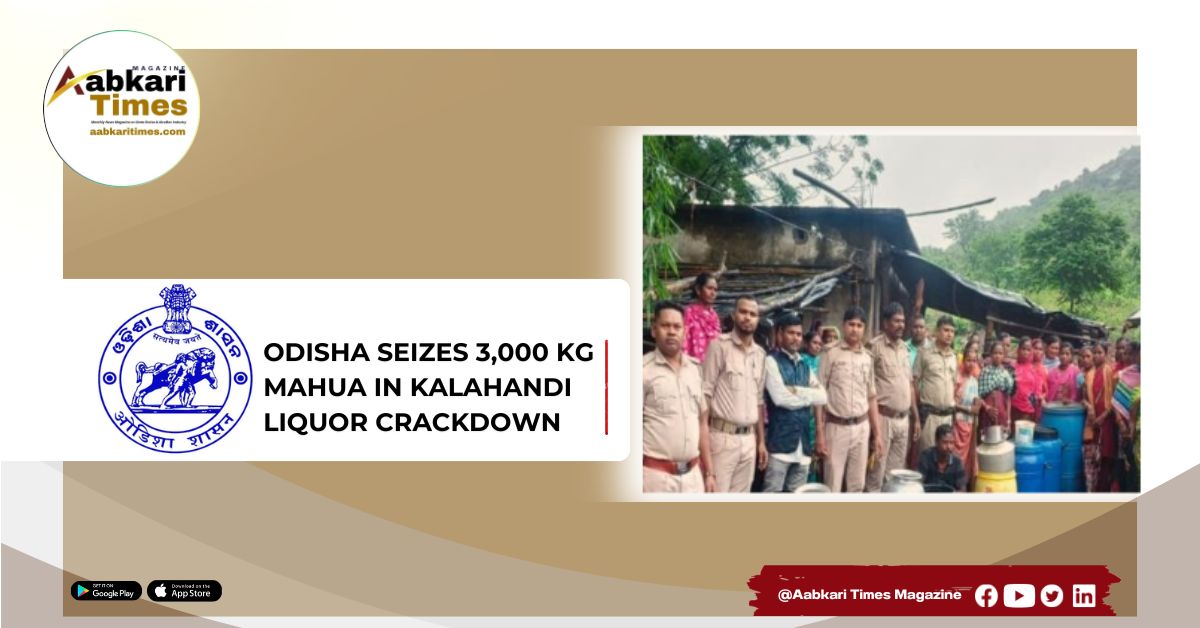
Kalahandi, July 2026: The Odisha Excise Department conducted a major enforcement operation across four villages under Talnagi panchayat in Kalahandi district on Saturday, seizing approximately 3,000 kg of fermented mahua and 30 litres of illicit country liquor following a petition by local residents to the district administration. The joint enforcement team also destroyed several drums and earthen pots used for brewing and registered cases against four persons.
The operation was carried out on the directions of District Collector Sachin Pawar and under the supervision of Excise Superintendent Ranjan Nayak. Enforcement teams raided Talnagi, Bahadaghat, Bagbeda and Purunapadar villages, where illicit liquor production had reportedly been operating openly.

The main accused, Dhanurjay Harijan of Bahadaghat village, was found in possession of more than 200 litres of country liquor. Cases were also registered against Sannyasi Harijan, Somnath Harijan and Satyabhama Bishoyi of Talnagi village.
The crackdown followed a memorandum submitted to the Kalahandi District Collector and Sub-Collector by local residents, who alleged that the illegal liquor trade had worsened the area’s social and economic conditions and was linked to a rise in premature deaths in the region. The petition, submitted on Thursday, prompted the district administration to direct the Excise Department to act within 48 hours.
 Odisha Collects ₹24,455 Crore in Excise Duty Over Five Years, CAG Report Reveals
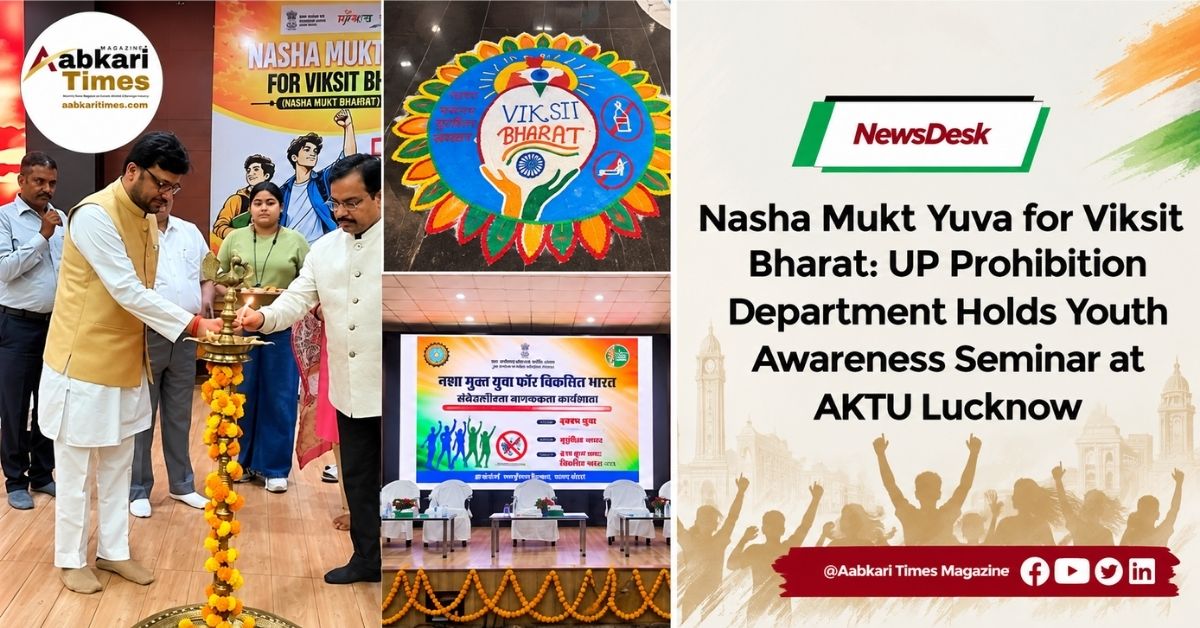
 Nasha Mukt Yuva for Viksit Bharat UP Prohibition Department Holds Youth Awareness Seminar at AKTU Lucknow
Mahua — a flower from the Mahua tree widely found across central and eastern India — is traditionally fermented and distilled into country liquor in tribal and rural belt areas of states like Odisha, Jharkhand and Chhattisgarh. While small-scale personal consumption of mahua liquor has cultural significance in these communities, large-scale illicit production and sale without excise licensing is illegal and deprives the state of revenue while often resulting in the sale of unsafe, unregulated alcohol that poses serious health risks.
The Kalahandi operation reflects a broader enforcement pattern seen across Odisha’s interior districts, where illicit liquor production remains a persistent challenge for excise authorities, particularly in remote panchayats with limited monitoring infrastructure.
About the Author