
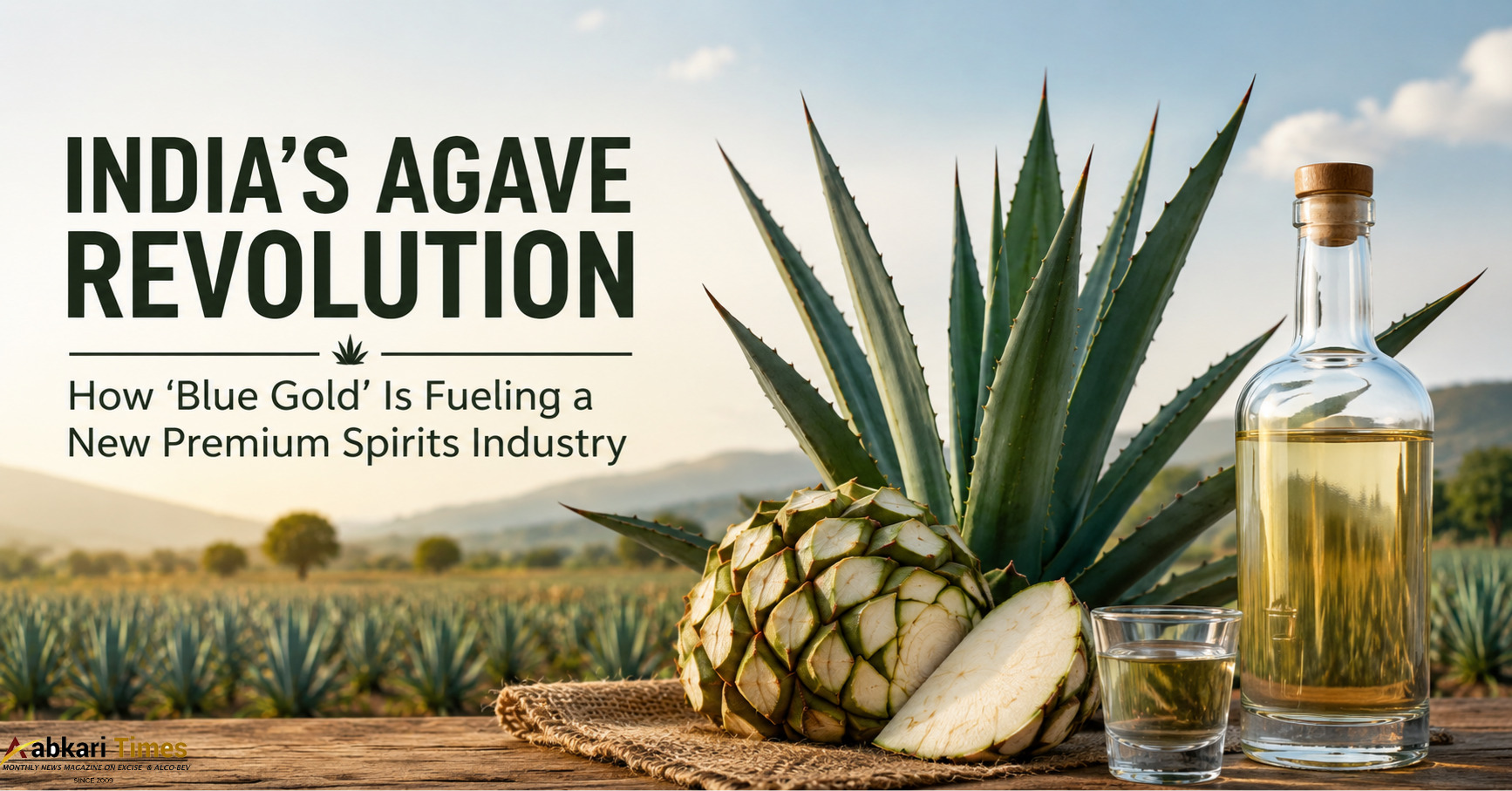
New Delhi: Long regarded as little more than a hardy fencing plant in rural India, agave is now emerging as a valuable agricultural resource that could transform the country’s premium spirits industry. Often called “Blue Gold”, wild agave is generating new income for farmers while encouraging entrepreneurs to build an entirely new category of Indian-made agave spirits.
Wild Agave Creates New Opportunities for Farmers
Across the Deccan Plateau, which stretches through several states in southern and central India, agave plants have traditionally grown on field boundaries to keep stray animals away from crops. For decades, farmers paid little attention to them.
That perception is changing rapidly.
Farmers are now harvesting mature agave plants and supplying them to local distilleries, earning additional income without replacing their existing crops. In Andhra Pradesh, Karnataka, Maharashtra and Rajasthan, networks of collectors and village aggregators are helping organize the supply of naturally growing agave.
 Scotch Whisky Association Appeals Against England’s New Single Malt Whisky Rules
 Top 10 Premium Whisky Brands in India Above ₹5,000 for the Festive Season
For many farming families, the once-neglected plant has become an important secondary source of revenue.
Harvesting Requires Skill and Perfect Timing
Producing premium agave spirits depends heavily on harvesting the plant at exactly the right stage.
The central core, known as the piña, stores the highest concentration of natural sugars needed for fermentation. Once the plant begins flowering, these sugars rapidly move into the flowering stalk, reducing the quality of the piña for alcohol production.
Because of this narrow harvesting window, experienced workers must identify mature plants before flowering begins. After harvesting, the piñas must reach processing facilities within approximately 24 hours to preserve sugar quality and maintain flavour consistency.
India’s Agave Spirits Market Is Growing Rapidly
Interest in premium agave-based beverages has increased significantly in India over the past few years as consumers explore alternatives to traditional spirits.
Industry experts estimate that the domestic agave spirits segment is expanding at an annual growth rate of around 31%, driven by rising demand for premium cocktails, global drinking trends and increasing awareness of craft spirits.
Although whisky continues to dominate India’s alcoholic beverage market, agave spirits are steadily building their own niche among urban consumers and premium hospitality outlets.
Entrepreneurs Build India’s Homegrown Agave Industry
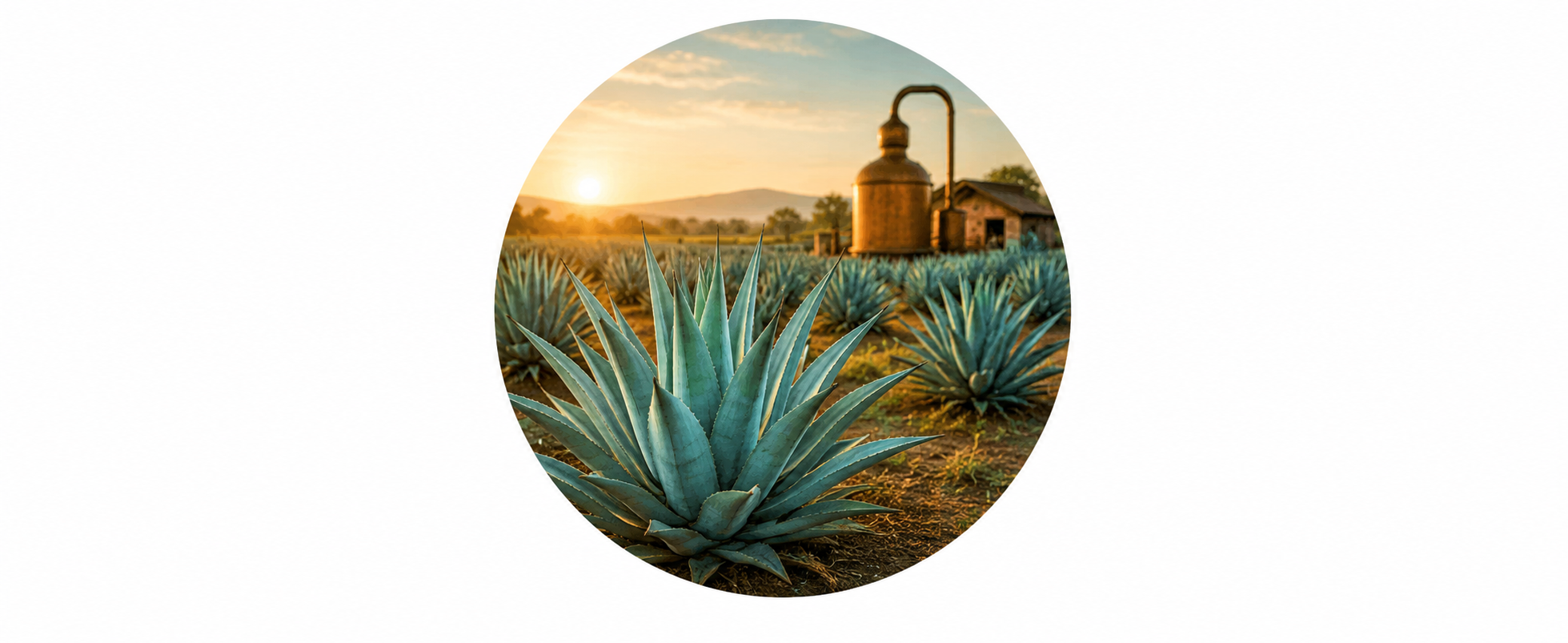
Indian entrepreneurs are investing in processing facilities and experimenting with locally sourced agave to create premium craft spirits.
Rather than relying on cultivated plantations, many producers currently source wild agave growing naturally across the Deccan Plateau. This approach allows them to develop uniquely Indian products while utilizing an abundant natural resource.
Several companies are also conducting scientific studies to identify regions suitable for future commercial cultivation, recognizing that agave typically requires 9 to 13 years to mature before harvest.
Commercial Cultivation May Shape the Next Phase
Experts believe India possesses millions of acres of land suitable for agave cultivation, particularly in semi-arid regions where conventional crops struggle.
Unlike many agricultural crops, agave is drought-tolerant and requires relatively low maintenance once established, making it an attractive long-term option for water-scarce areas.
However, large-scale cultivation will require patience because of the crop’s long growing cycle.
Wild Agave Offers Abundant Supply—for Now
Agricultural specialists say India’s naturally growing agave population remains extensive.
The plant reproduces through underground runners that continuously generate new shoots, allowing one mature plant to create numerous offspring over time. This natural propagation helps maintain large colonies of agave without intensive human intervention.
As the domestic industry is still in its early stages, experts believe current wild supplies are sufficient to support production in the near term.
Challenges Remain Before India Can Match Global Producers
Despite growing optimism, India’s agave sector faces several challenges.
Wild agave plants differ genetically, resulting in variations in sugar content and alcohol yield. This inconsistency makes standardizing production more difficult compared with countries that cultivate selected agave varieties.
Mexico, the world’s leading producer of tequila, benefits from decades of selective breeding, organized plantations, advanced irrigation systems, drone monitoring and precision agriculture technologies.
Indian producers will need similar investments in cultivation, research and supply-chain infrastructure to compete globally.
Strong Long-Term Potential
Industry leaders remain optimistic about India’s future as an agave-producing nation.
With suitable climatic conditions across the Deccan Plateau, increasing consumer demand for premium spirits and growing farmer participation, India has the potential to establish a vibrant agave economy over the coming decade.
If supported by scientific cultivation, processing infrastructure and long-term investment, today’s overlooked fencing plant could become one of India’s next high-value agricultural success stories.
About the Author