
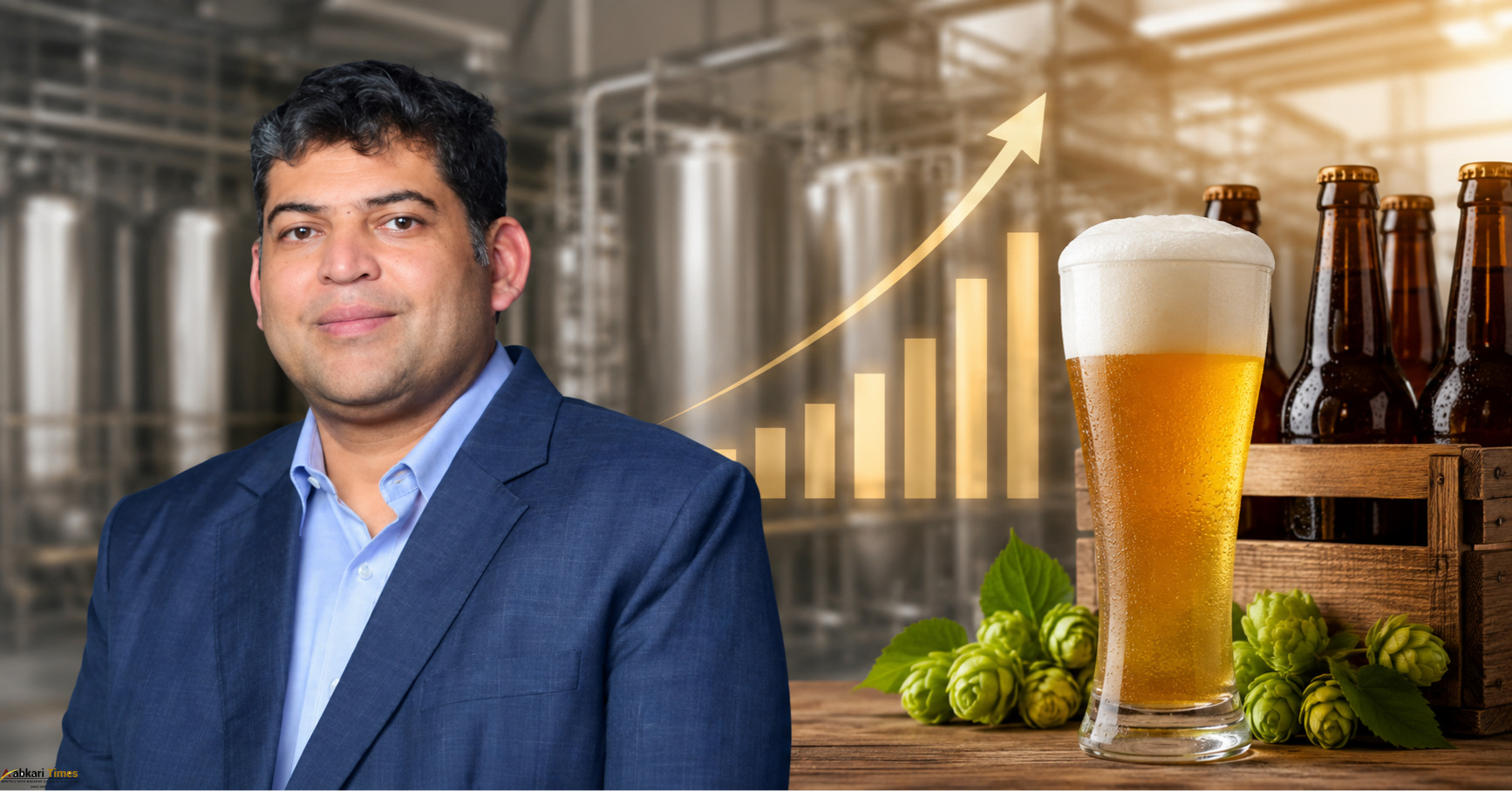
Beer Industry Grapples with Rising Costs in FY26
India’s beer industry witnessed a difficult financial year in FY26 as geopolitical tensions, higher raw material prices and global supply chain disruptions increased production costs. Despite these challenges, United Breweries Limited (UBL) remains optimistic about the long-term growth potential of the Indian beer market, citing favourable demographics, urbanisation and changing consumer preferences.
West Asia Crisis Added Pressure on Beer Manufacturers
According to Vivek Gupta, Managing Director and CEO of United Breweries, the escalation of tensions in West Asia significantly affected the industry’s operating environment during FY26.
He noted that volatility in global supply chains led to higher costs for packaging materials, freight, energy and other key inputs. Beer manufacturers also faced shortages of aluminium cans and logistics disruptions, increasing uncertainty across production and distribution networks.
 Amrut Distilleries’ Sales Growth to Remain Under Pressure Until 2030 Amid Limited Whisky Supply and Cheaper Scotch Imports
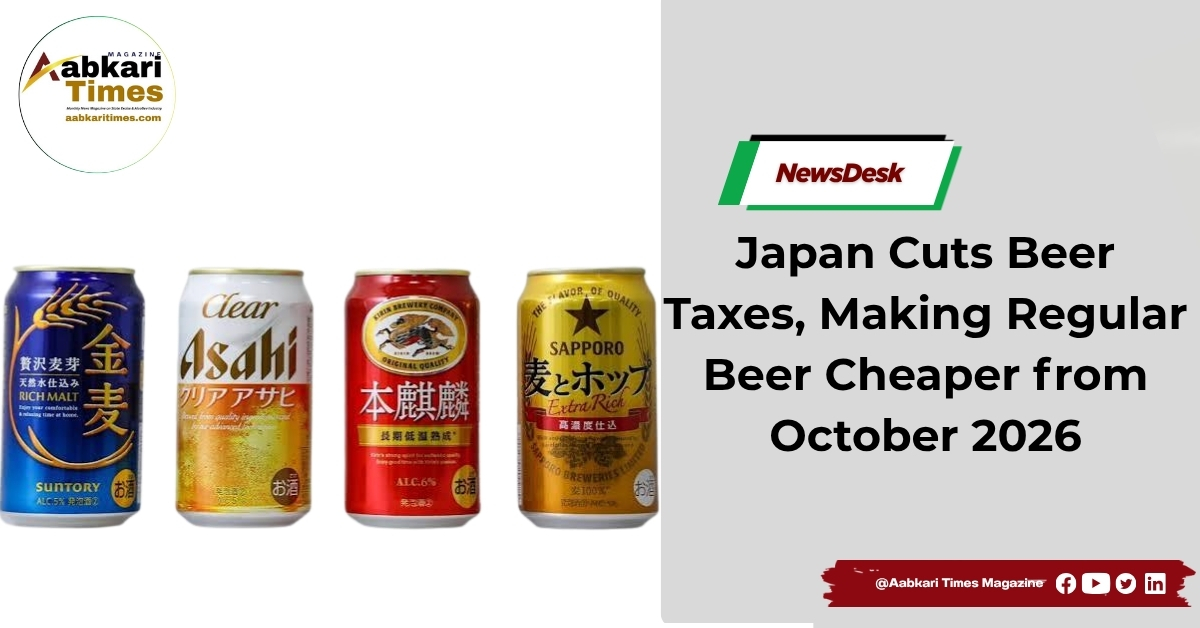
 Japan Cuts Beer Taxes, Making Regular Beer Cheaper from October 2026
The company said businesses had to carefully manage pricing and trade investments to maintain profitability while navigating these short-term challenges.
India Continues to Offer Strong Growth Potential
Despite temporary headwinds, United Breweries believes India remains one of the world’s most attractive beer markets.
Several long-term factors continue to support industry growth, including:
- Nearly 23 million people reaching the legal drinking age every year
- Rapid urbanisation
- Rising disposable incomes
- Growing preference for premium beer brands
- Increasing social occasions and changing lifestyles
However, the company pointed out that affordability and product accessibility remain major barriers in several states due to high taxation and restrictive pricing policies.
Premiumisation and Responsible Drinking Driving Demand
UBL said the industry’s long-term fundamentals remain intact, with consumers increasingly choosing premium products while also embracing responsible drinking habits.
The company believes premiumisation, higher consumer aspirations and rising incomes will continue to support demand for beer over the coming years.
Chairperson Sees Long-Term Opportunity
UBL Chairperson Anand Kripalu said the company remains confident about the future of the beer category despite weather-related disruptions and affordability concerns experienced during FY26.
He highlighted that beer remains one of the least penetrated segments within India’s alcoholic beverages market, leaving significant room for volume expansion and encouraging more balanced alcohol consumption.
Progressive State Policies Supporting Growth
United Breweries welcomed the policy reforms introduced by several Indian states aimed at improving the business environment for beer manufacturers.
The company highlighted positive developments in states such as:
- Maharashtra
- Karnataka
- Uttar Pradesh
- Andhra Pradesh
- Jharkhand
According to UBL, measures like taxation reforms and more transparent regulatory frameworks are improving affordability, encouraging investments and strengthening the industry’s long-term outlook.
Uttar Pradesh Emerges as an Investment Destination
United Breweries specifically praised Uttar Pradesh for creating a favourable investment climate through progressive excise policies and improved infrastructure.
The company believes supportive government policies can attract fresh investments, generate employment, strengthen local supply chains and increase state revenues while promoting responsible alcohol consumption.
Outlook for India’s Beer Industry
While FY26 was marked by geopolitical uncertainty, higher input costs and supply chain disruptions, industry leaders remain optimistic that India’s beer market is positioned for sustained long-term expansion.
With favourable demographics, rising incomes, premiumisation trends and gradual policy reforms across multiple states, the beer industry is expected to continue attracting investment and delivering growth in the years ahead.
About the Author