
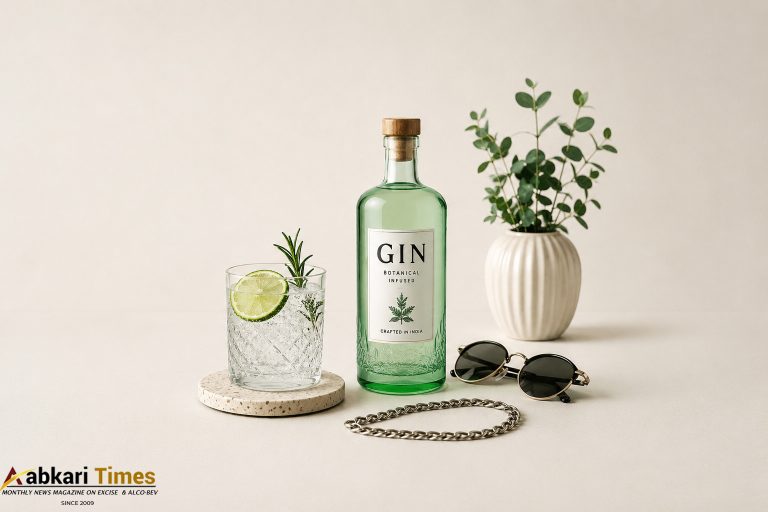
How premium gin brands are blending fashion, nightlife, design and immersive experiences to win over India’s style-conscious consumers
There was a time when alcohol was simply about what people drank. Today, especially in urban India, premium spirits have become part of a larger lifestyle identity. Among them, gin has emerged as one of the biggest cultural symbols for India’s younger, style-forward consumers.
From luxury fashion events and rooftop parties to music festivals and curated dining experiences, premium gin is no longer limited to cocktail menus. It has become deeply connected with fashion, design, nightlife and modern luxury culture.
For India’s Gen Z and millennials, gin increasingly represents individuality, aesthetics and experience-driven socialising rather than traditional drinking habits.
 Scotch Whisky Association Appeals Against England’s New Single Malt Whisky Rules
 Top 10 Premium Whisky Brands in India Above ₹5,000 for the Festive Season
Why Young Indians Are Choosing Gin Over Traditional Spirits
India’s younger consumers are redefining what luxury means. Instead of focusing on quantity, many urban drinkers are prioritising premium experiences, craftsmanship and personal expression.
According to industry leaders, this shift is changing the way consumers engage with spirits. Premium gin, with its lighter profile, botanical ingredients and cocktail versatility, naturally fits into social occasions built around creativity and culture.
Varun Koorichh, Vice President – Marketing and Portfolio Head, Premium and Luxury at Diageo India, says modern consumers are “drinking better, not more.”
He believes younger audiences are increasingly drawn towards spirits that feel sophisticated yet expressive, especially during social gatherings, fashion-led events and cultural experiences.
This behavioural shift has helped gin evolve from a niche spirit into a modern lifestyle statement.
How Gin Became Part of Fashion and Cocktail Culture
The relationship between cocktails and fashion has grown stronger across India’s metro cities. Premium gin brands are now collaborating with fashion properties, creative communities and immersive nightlife experiences to stay culturally relevant.
Instead of only promoting products, brands are building aspirational worlds around their identity.
For example, Tanqueray has embraced a “Showstopper” positioning focused on individuality, confidence and self-expression. Through partnerships with tastemakers, luxury experiences and fashion-forward platforms, the brand aims to become part of contemporary culture rather than just another spirit label.
This blend of cocktail culture, music, fashion and storytelling resonates strongly with younger consumers who value experiences over traditional luxury symbols.
Premium Gin Is Becoming a Lifestyle Symbol
Industry experts believe consumers today connect with brands emotionally rather than simply evaluating taste or pricing.
Nobukazu Aoki, Head of Marketing & Innovation at Suntory Global Spirits India, says premium spirits are increasingly becoming lifestyle-driven experiences.
According to Aoki, consumers are looking for brands that feel visually distinctive, emotionally engaging and culturally meaningful.
This trend has positioned gin at the intersection of multiple lifestyle categories including fashion, art, hospitality, travel and design.
For brands like Roku Gin, the appeal extends beyond the liquid itself. The brand focuses heavily on storytelling, craftsmanship and immersive experiences that reflect Japanese aesthetics and seasonal culture.
Design and Packaging Are Driving Luxury Appeal
In the premium spirits market, packaging design is becoming just as important as the drink itself.
Luxury consumers increasingly prefer products that feel authentic, artistic and thoughtfully crafted. Roku Gin’s signature hexagonal bottle reflects this strategy. Inspired by six Japanese botanicals, the design symbolises harmony, precision and Japanese craftsmanship.
Industry experts believe younger consumers are drawn towards products where every visual detail contributes to a larger brand story.
This focus on design also extends into experiential marketing. Platforms like Roku’s “Come Alive” experiences aim to connect consumers with seasonal themes, immersive atmospheres and visually rich storytelling rather than relying solely on traditional advertising.
Why Cultural Relevance Matters More Than Traditional Advertising
One of the biggest changes shaping India’s premium alcohol industry is the growing importance of cultural relevance.
Today’s consumers want brands that align with their personal identity, values and aesthetics. They are increasingly attracted to labels that feel socially connected and creatively expressive.
This shift is visible in limited-edition launches, fashion collaborations and experience-led campaigns across the premium spirits industry.
For example, Roku’s Sakura Bloom Edition was introduced to cater to consumers seeking individuality and discovery, while Tanqueray continues expanding its presence through fashion, nightlife and cultural partnerships.
For younger consumers, spirits are becoming part of the same identity ecosystem as fashion, travel, dining and music preferences.
Gin Is No Longer Just a Drink in India
The future of premium gin in India appears to be driven less by alcohol consumption itself and more by the experiences and communities surrounding it.
Industry leaders believe brands that successfully combine craft, creativity, design and cultural storytelling will continue gaining relevance among younger audiences.
As urban consumers increasingly express themselves through lifestyle choices, premium gin is evolving into something bigger than a beverage.
In India’s growing luxury and nightlife culture, gin is no longer simply something people drink. Increasingly, it is becoming something they identify with.
About the Author