
The liquor supply chain in Bihar is now operating through a sophisticated coded communication system, where the illegal alcohol trade is being disguised using coded language and encrypted messaging.
Investigations suggest that despite prohibition, the sale and distribution of liquor continues through covert networks, which rely heavily on digital coordination and coded terminology to avoid detection.
Under this system, delivery and distribution are carried out through code-word networks and encrypted communication channels, allowing suppliers to coordinate without direct reference to alcohol. Couriers and local agents deliver liquor door-to-door, often disguising it as legitimate goods.
 Scotch Whisky Association Appeals Against England’s New Single Malt Whisky Rules
 Top 10 Premium Whisky Brands in India Above ₹5,000 for the Festive Season
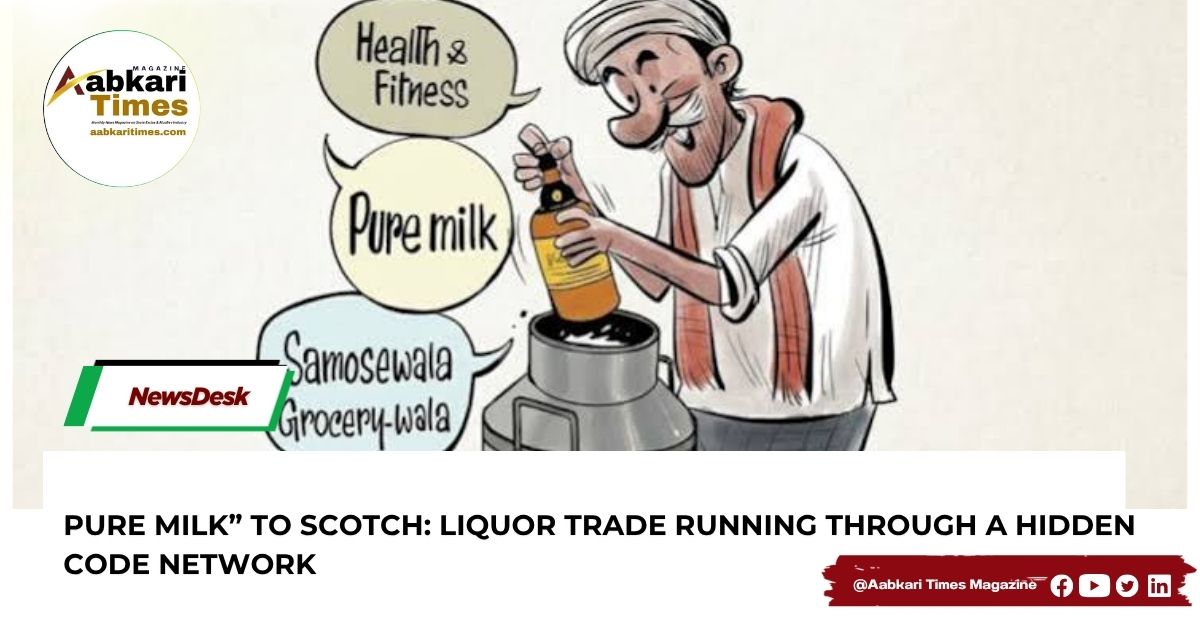
Order placement and coordination are increasingly handled through messaging apps such as WhatsApp, where alcohol is referred to using coded names and symbols. In some groups, terms like “health and fitness” or other neutral labels are used to indicate premium liquor categories such as Scotch or imported brands.
Officials believe that this evolving structure represents a highly organized underground supply chain, designed to bypass enforcement mechanisms while maintaining continuous demand across urban and rural areas.
Despite strict prohibition laws, the network appears to function through layered distribution chains, digital secrecy, and informal courier systems, making detection and enforcement increasingly challenging for authorities.
Impact of Prohibition: Employment Loss and Massive Seizures
Before prohibition, thousands of people were employed in the liquor retail ecosystem, including licensed shops and related supply chains. Industry estimates suggest that the closure of alcohol outlets led to job losses for approximately 30,000–40,000 workers, affecting livelihoods across retail, logistics, and allied services.
At the same time, enforcement agencies have reported large-scale seizures linked to illegal liquor trade. So far, authorities have confiscated an estimated 16 lakh litres of illicit liquor, valued at several crore rupees.
Officials note that despite strict enforcement, illicit supply networks continue to operate in different forms, making prohibition enforcement a persistent challenge. The situation reflects the broader economic and social impact of alcohol bans, where regulatory control has significantly reduced legal sales but also created space for underground trade activities.
Rising Concern Over Harmful Substances Amid Alcohol Shortage
Authorities and reports have flagged growing concerns that the shortage or restriction of legal alcohol supply has, in some areas, led certain individuals to shift toward substance abuse alternatives such as drugs and cough syrups.
Experts caution that this unintended shift may increase public health risks, especially among vulnerable populations. In addition, cases of fatalities linked to illicit or spurious alcohol consumption have been reported from districts such as Sivaganga, Begusarai, and Purvanchal regions, raising further concern over enforcement gaps.
Officials emphasize that illegal and unregulated alcohol trade not only undermines public safety but also creates conditions where consumers are exposed to highly dangerous and unverified substances.
Health and enforcement agencies continue to warn that strengthening monitoring systems, improving awareness, and curbing illicit supply chains are essential to reduce such harmful social consequences.
New Smuggling Methods: Liquor Being Hidden in Innovative Ways
New methods are being adopted to avoid police action and enforcement teams. Liquor is now being transported and hidden in highly creative ways to bypass checks and raids.
Illegal alcohol is being concealed in plastic chairs, vegetable trucks, petrol tankers, gas cylinders, and even inside ambulances. In some cases, smugglers are using emergency vehicles to avoid suspicion and checkpoints.
In one major incident, a large consignment of illegal liquor was seized from a government water tanker, highlighting how deeply the network has adapted to evade detection.
Public Debate on Prohibition Policy in Bihar
A public debate is ongoing in Bihar over the prohibition policy introduced under the leadership of Chief Minister Samrat Choudhary.
Supporters of the policy describe it as a major social reform initiative aimed at reducing alcohol consumption and improving public health and family stability. They believe it has created greater awareness about the harmful effects of alcohol in society.
On the other hand, critics argue that the policy has not achieved its intended objectives. Instead, they claim it has contributed to the rise of a hidden and organized illegal liquor network that continues to operate despite strict enforcement measures.
While the government intended prohibition as a step toward social reform, its implementation has become a significant challenge due to the persistence of underground supply chains.
Alcohol Prohibition: Billions in Illegal Market Growth
In 2016, under the leadership of Nitish Kumar, Bihar implemented prohibition with the stated objective of social reform. The policy was aimed at reducing alcohol consumption and improving social well-being.
However, the expected reduction in demand did not materialize completely. Instead, reports suggest that an illegal liquor market worth nearly ₹25,000–₹30,000 crore has emerged over time.
Despite strict enforcement efforts, the underground supply chain has continued to operate, raising concerns over the effectiveness of the policy and the challenges of controlling illicit trade.
Codewords in Liquor Trade: From “Pure Milk” to Scotch
Codewords are increasingly being used in the liquor trade in Bihar. In many areas such as Patna and nearby districts, terms like “pure milk” no longer refer to actual milk but are used as a reference for premium or smuggled liquor, often including branded or high-value products.
Similarly, expensive liquor categories are also referred to through coded language, where different words are assigned to different types of alcohol to avoid detection.
In some cases, even terms like “Sonpapdi” and other unrelated food items are reportedly being used as codewords within delivery networks. Delivery agents use coded communication to coordinate supply, while customers place orders through disguised terminology on messaging platforms.
This system has created a parallel communication network that helps illegal liquor distribution operate discreetly despite enforcement efforts.
Haryana: ‘Silicone Valley’ of Premium Liquor Retail Experience
In Gurugram, Haryana, the liquor retail landscape is undergoing a major transformation. A premium store named “Silicone Valley” is emerging as a high-end destination, redefining how alcohol is sold and experienced in India.
Promoted by entrepreneur Sanjay Dutt, the initiative includes a modern premium liquor store and a concept called “The Liquor Carehouse (TLC)”. These stores focus on curated, imported, and craft alcohol brands, shifting away from traditional liquor shop formats.
The idea behind this new retail model is to highlight how liquor outlets are evolving from simple sales points into interactive, premium lifestyle spaces. Instead of just selling alcohol, these stores aim to offer a more experiential environment where customers can explore brands, design, and presentation.
Sanjay Dutt also launched his premium vodka brand “Tigerfire”, reflecting this shift toward lifestyle-driven alcohol branding in the Indian market.
TLC-style stores emphasize customer engagement, modern design, and premium experience, where the store environment itself plays a key role in influencing buying decisions.
This development reflects a broader change in India’s alcohol retail sector, where traditional liquor shops are increasingly being replaced or upgraded into premium, experience-focused retail spaces rather than simple points of sale.
About the Author