
From Mango Ales to Mahua Brews, Craft Beer Is Transforming India’s Beverage Landscape
New Delhi: India’s beer market is undergoing a remarkable transformation as a new generation of craft breweries introduces innovative flavors, local ingredients, and unique brewing techniques that are reshaping how consumers perceive beer.
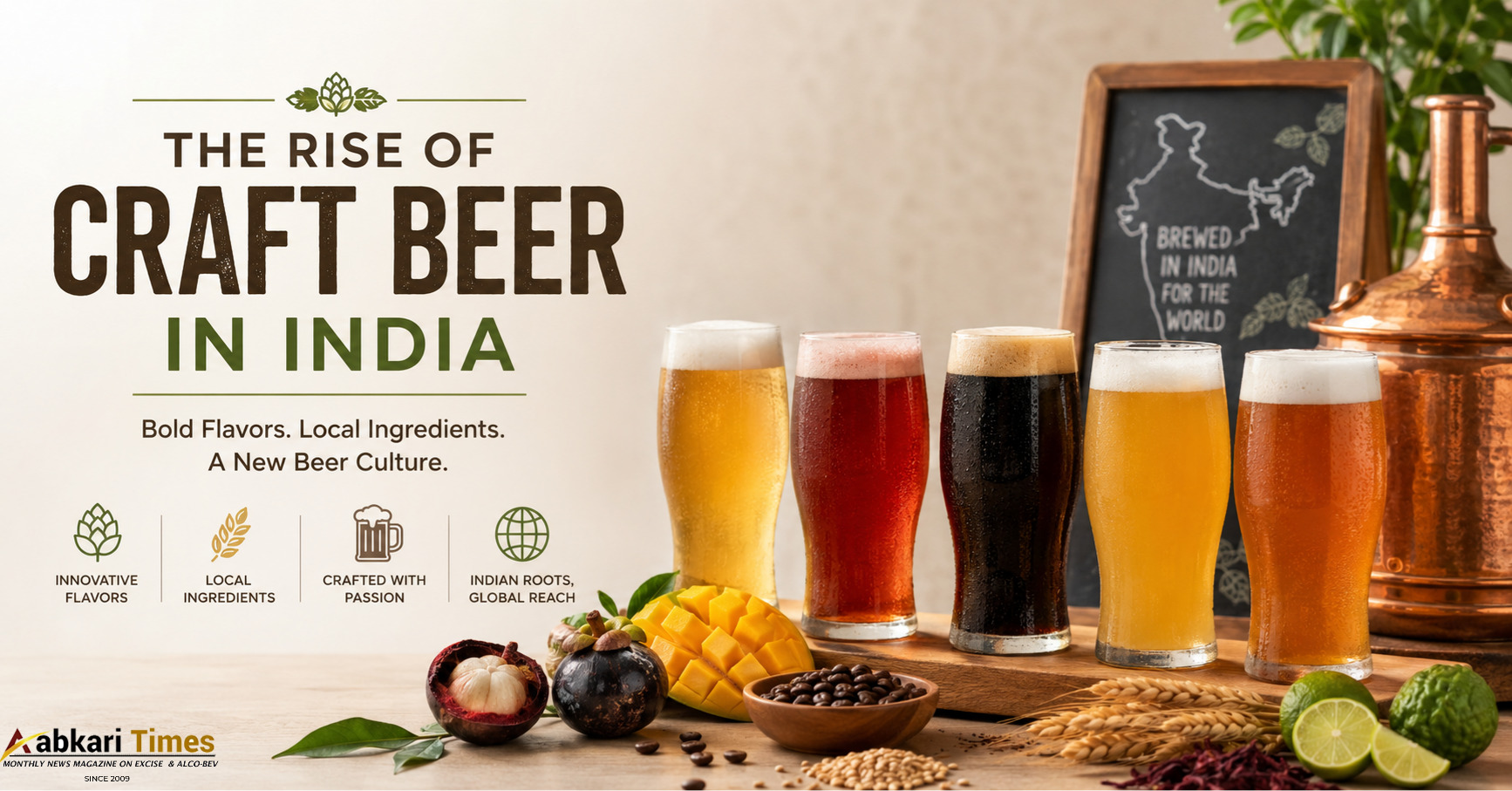
For decades, the Indian beer industry was dominated by a handful of mainstream lager brands, with consumers largely choosing between strong and mild beer variants. Today, however, craft breweries are challenging that tradition by offering everything from coffee-infused stouts and kokum sours to gondhoraj lime lagers, mahua-inspired brews, and fruit-forward seasonal ales.
Industry experts believe this shift is attracting a broader audience, including women, young professionals, and consumers who previously preferred cocktails or avoided beer altogether.
 Amrut Distilleries’ Sales Growth to Remain Under Pressure Until 2030 Amid Limited Whisky Supply and Cheaper Scotch Imports
 Japan Cuts Beer Taxes, Making Regular Beer Cheaper from October 2026
A New Era for Indian Beer Drinkers
The rise of craft beer reflects changing consumer preferences across urban India. Drinkers are increasingly seeking flavor, authenticity, and experimentation rather than simply alcohol content.
Microbreweries across cities such as Bengaluru, Pune, Goa, Delhi, Mumbai, and Hyderabad have become hubs of innovation, introducing beers inspired by regional ingredients and local culinary traditions.
Unlike conventional beer brands that focus on consistency and mass production, craft breweries often produce smaller batches, allowing brewers to experiment with unique recipes and seasonal offerings.
As a result, consumers are discovering beers infused with ingredients such as mango, kokum, coffee, ginger, mahua flowers, millet, lemongrass, and indigenous grains.
Local Ingredients Driving Innovation
One of the biggest trends in India’s craft beer movement is the use of locally sourced ingredients.
Breweries are increasingly incorporating regional flavors into their products, creating a distinctly Indian identity for craft beer. Traditional ingredients such as ragi, jowar, bajra, rice, kokum, and native fruits are now finding their way into beer recipes.
This approach not only differentiates craft beer from commercial lagers but also helps breweries connect with consumers looking for products that reflect local culture and taste preferences.
Seasonal fruit beers remain especially popular, with mango-based brews continuing to be a favorite among first-time craft beer drinkers.
Why Young Consumers Are Choosing Craft Beer
Industry observers say younger consumers are more willing to experiment than previous generations. Social media, international travel, and exposure to global food and beverage trends have contributed to growing awareness of craft beer.
Many consumers view craft beer as a more affordable alternative to premium cocktails while still offering a sophisticated drinking experience.
Microbreweries have also evolved into lifestyle destinations, hosting live music events, quiz nights, food festivals, and community gatherings that attract urban audiences looking for more than just a drink.
Understanding the Difference Between Craft and Commercial Beer
While many consumers associate fresh draft beer with craft brewing, the two are not the same.
Draft beer simply refers to beer served from a tap. Both commercial and craft beers can be available on draft.
Craft beer is defined more by its production philosophy. It is typically brewed in smaller quantities, emphasizes quality ingredients, and allows brewers greater freedom to experiment with flavors and styles.
Commercial beer, on the other hand, is designed for large-scale production with a focus on consistency, affordability, and widespread distribution.
The comparison is often described as the difference between mass-market fashion and designer craftsmanship: one prioritizes scale, while the other prioritizes creativity and individuality.
Export Markets Becoming Crucial for Growth
Several Indian craft beer brands are now expanding internationally, exporting products to markets including the United States, Canada, the United Kingdom, Australia, and parts of Asia.
Industry leaders say exports have become increasingly important because international markets often offer better profit margins and more favorable business conditions.
The growing acceptance of Indian craft beer abroad also highlights the industry’s ability to compete globally with innovative products and distinctive flavor profiles.
Challenges Continue to Hold Back Growth
Despite increasing consumer interest, India’s craft beer industry continues to face significant regulatory and financial challenges.
One of the biggest concerns is taxation. Brewers argue that beer is often taxed in a way that makes it less competitive compared to spirits, despite its lower alcohol content.
Industry stakeholders also point to high licensing fees, complex state-level regulations, and costly product registrations as major barriers to expansion.
Because alcohol regulations vary from state to state, breweries often face substantial expenses when introducing new products or entering new markets.
These challenges can discourage experimentation, particularly for smaller breweries operating with limited resources.
The Future of Craft Beer in India
Even with regulatory hurdles, industry experts remain optimistic about the long-term prospects of craft beer in India.
A growing middle class, rising disposable incomes, increasing interest in premium beverages, and greater consumer willingness to explore new flavors are creating favorable conditions for growth.
As more breweries embrace local ingredients and innovative brewing techniques, India is steadily developing a unique craft beer identity that blends global brewing traditions with regional tastes.
The result is a vibrant and rapidly evolving beer culture that is redefining how Indians drink, socialize, and experience beer.
Key Takeaways
- Craft beer is becoming one of India’s fastest-growing beverage segments.
- Consumers are increasingly seeking flavor, experimentation, and premium experiences.
- Local ingredients such as mango, kokum, mahua, jowar, and millet are driving innovation.
- Microbreweries are attracting younger drinkers and urban professionals.
- Export markets are emerging as a major growth opportunity for Indian craft beer brands.
- High taxes and regulatory complexities remain the industry’s biggest challenges.
About the Author