

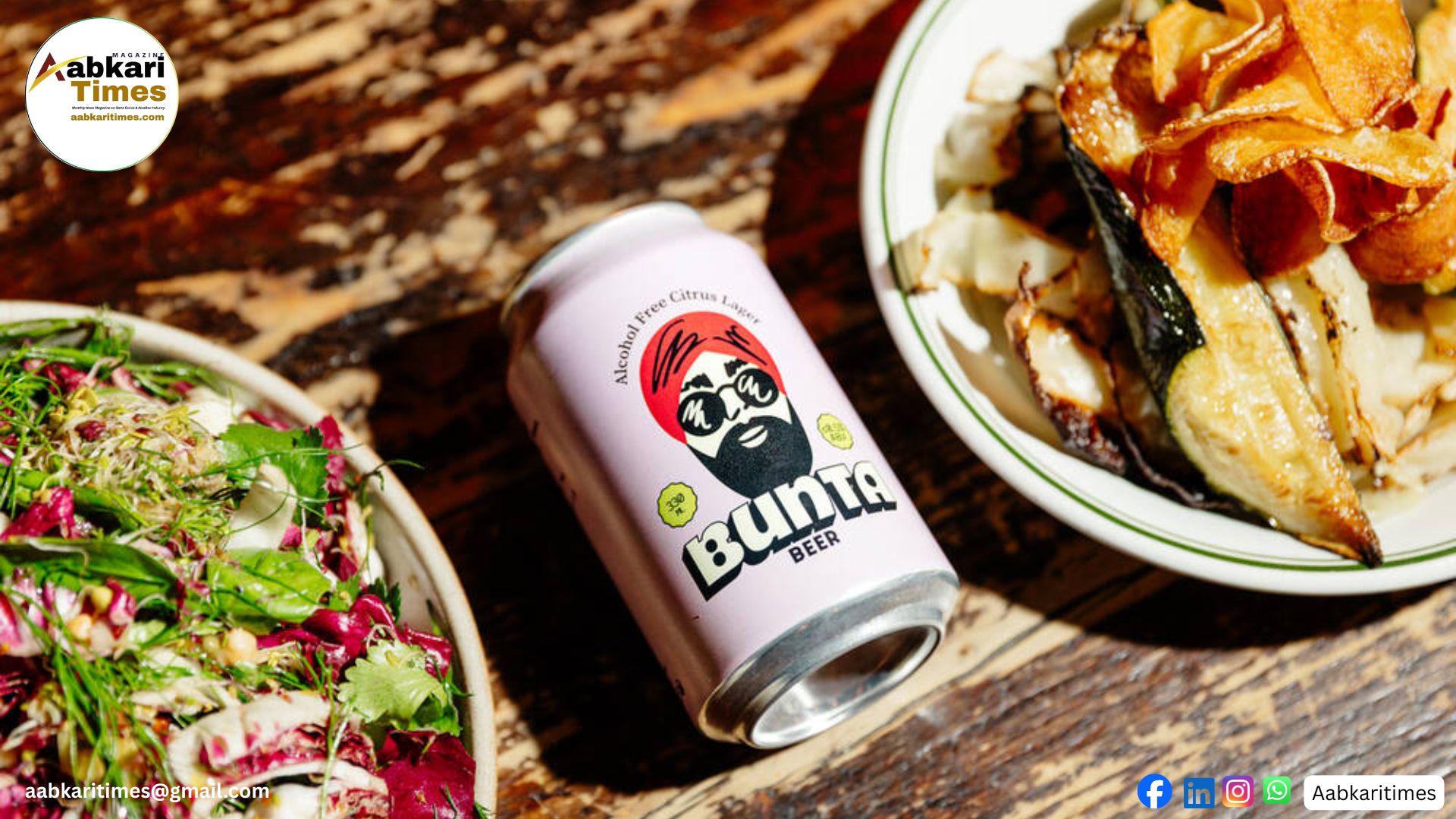
Bunta Beer was started in 2025 by Gunikka Ahuja with a clear goal: to create a beer that pairs perfectly with Indian food. As the brand celebrates its first time being served on tap, Ahuja explains how she wants to fix the mismatch between modern Indian cuisine in the UK and the beers usually served with it.
The UK’s first non-alcoholic Indian craft beer has now reached an important milestone. It is being served on tap for the first time at The Latimer, a neighbourhood pub in Notting Hill.
Bunta Beer will offer its main product there—a non-alcoholic, gluten-free citrus lager made specially to go well with Indian dishes.
 Amrut Distilleries’ Sales Growth to Remain Under Pressure Until 2030 Amid Limited Whisky Supply and Cheaper Scotch Imports
 Japan Cuts Beer Taxes, Making Regular Beer Cheaper from October 2026
For Ahuja, the idea started from a personal change. During the pandemic, she reduced her alcohol intake and has continued drinking less since then. She still enjoys going out and socialising, but now she chooses her drinks more carefully.
She also loves food, especially Indian food, and has many childhood memories of going out for curries. But she noticed a problem. In pubs and restaurants, non-alcoholic drinks often felt like an afterthought. They were either too sweet or didn’t match the food at all.
Ahuja believes there is a big gap in the UK. While Indian food has become more modern and high-quality, the beer options haven’t changed much in decades. Most places still offer basic lagers or non-alcoholic drinks that don’t suit the cuisine.

That’s how Bunta Beer was born—a non-alcoholic beer designed specifically for Indian food.
Ahuja explains that Indian food has strong flavours—spice, richness, acidity, and heat—so the beer needs to stand out as well. Instead of just making a “good beer,” her team focused on how it would taste with food. It should balance the spice and refresh the palate without losing flavour.
To achieve this, they carefully balance carbonation, malt, acidity, and hops. For example, their Citrus Lager helps clean the palate without overpowering the food. They also use ingredients common in Indian cooking, like coriander seeds and orange peel, and work with suppliers connected to Indian agriculture.
Even so, Ahuja says it’s important that Bunta stays rooted in Britain. The beer is brewed locally in the UK.
While craft beer is growing fast in India, Bunta is taking a different path. The brand sits at the crossroads of global craft beer, modern British culture, and the non-alcoholic movement. Ahuja says her inspiration comes more from chefs and the global evolution of Indian food than from traditional beer brands.
She also points out that having a pint with curry is a very British tradition, created over many years of cultural blending.
At The Latimer pub, she recommends pairing Bunta Beer with dishes like masala haddock with curried tartare sauce.
Looking ahead, Ahuja has big plans. She wants Bunta Beer to become the go-to drink for Indian food around the world—whether people are drinking alcohol or not.
About the Author