
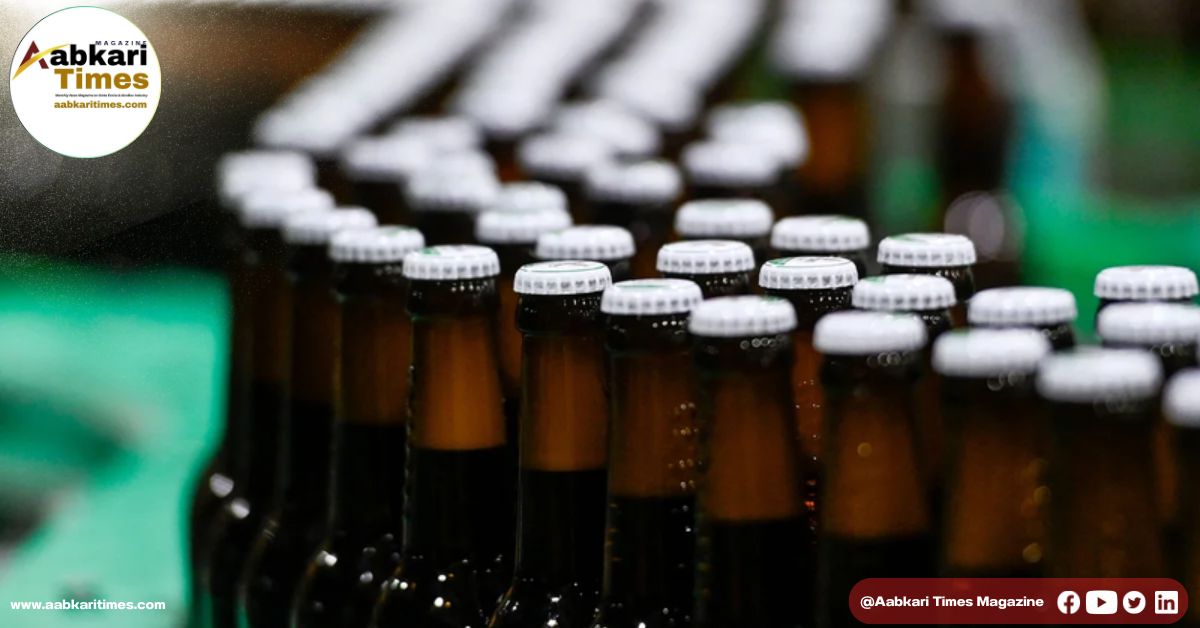
It’s not just soft drink cans making headlines anymore. A new shortage is emerging in the alcoholic beverage industry—and this time, it’s all about glass bottles. The concern isn’t what goes into the bottle, but whether there’s a bottle available at all.
Across the sector, manufacturers are facing increasing difficulty in sourcing glass bottles. The problem stems from global supply chain disruptions, particularly due to ongoing tensions in West Asia. These disruptions have affected the supply of liquefied natural gas (LNG), a key fuel used in glass production.
With energy supplies under pressure, several glass manufacturers have reduced output, leading to tighter availability and rising prices. As a result, the cost of packaging is going up, putting pressure on beverage companies.
 Amrut Distilleries’ Sales Growth to Remain Under Pressure Until 2030 Amid Limited Whisky Supply and Cheaper Scotch Imports
 Japan Cuts Beer Taxes, Making Regular Beer Cheaper from October 2026
Beer makers are likely to feel the impact more than spirits companies. Packaging accounts for a larger share of costs in the beer segment, and since beer requires high-volume, bulky bottles, any increase in bottle prices quickly eats into margins. This may force companies to absorb higher costs, slow down expansion, adjust supply, or consider price hikes where regulations permit.

The shortage could also affect industry growth. Even if demand remains strong, limited packaging availability can restrict how much product reaches the market. Some companies may manage the situation temporarily by reducing inventory levels, but that is not a long-term solution.
Importantly, this issue goes beyond alcohol. The broader packaging industry is also under strain, with rising crude oil prices and supply disruptions affecting plastics, PET bottles, and food packaging materials. In short, anything that requires packaging could become more expensive.
For consumers, there’s no immediate need to worry about empty shelves. However, they may start noticing slower product launches, occasional shortages, or gradual price increases in the coming months.
So while it’s not a crisis yet, the humble glass bottle is quietly becoming a key factor shaping what—and when—you find on store shelves.
About the Author