
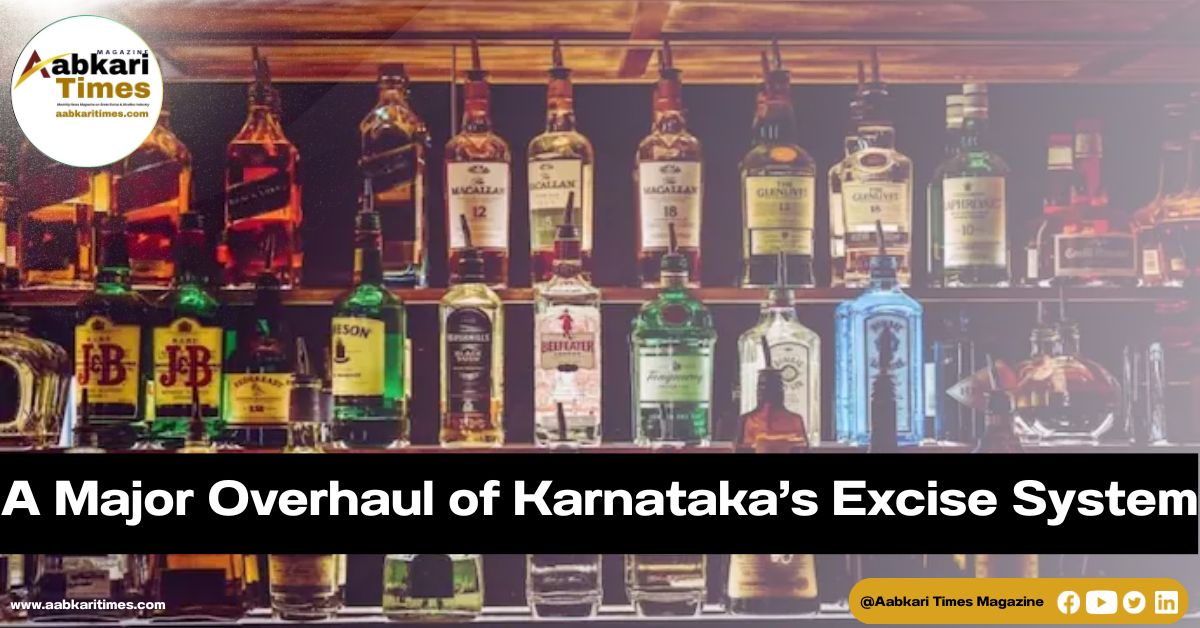
Karnataka is planning a major reform of its decades-old excise system by linking alcohol taxes to the actual strength of liquor rather than just price or category. The aim is to better address the social and health impact of alcohol consumption.
For over 60 years, the state’s excise structure focused mainly on generating steady revenue through manual controls. However, changing times and growing awareness of alcohol-related harm have pushed the government to rethink this approach.
In the 2026 Budget, Chief Minister Siddaramaiah introduced this reform as a complete redesign of the system. Instead of prioritising revenue alone, the new model seeks to balance public health, social responsibility, and economic needs.
 Monkey Shoulder Kicks Off 9th Ultimate Bartender Championship in India with New Delhi Round
 Tasmac to Invite Fresh Tenders for Bar Licences as Existing Permits Expire October 31
Studies show that alcohol-related harm costs between 1.5% and 2.6% of GDP. In Karnataka, this could mean around ₹51,000 crore annually, including costs linked to health issues, accidents, domestic violence, and financial stress on families.
The current system is seen as flawed because it taxes alcohol based on price bands, not actual alcohol content. This often results in stronger, cheaper liquor being under-taxed, while premium products are taxed more heavily.

The new reform introduces strength-based taxation, meaning higher alcohol content will attract higher tax. It also aims to reflect the true social cost of alcohol, encourage moderation, and shift consumers towards lower-strength beverages.
Additionally, the government plans to modernise the system using digital tracking technology to improve transparency and reduce illegal trade.
The reform will be implemented in phases between 2026 and 2030, starting with simplified tax slabs and gradually moving to a fully strength-based system. Part of the tax revenue will also be used for public welfare, including de-addiction programs, road safety, and healthcare.
Overall, the reform is a significant step towards creating a more responsible and balanced alcohol policy in Karnataka.
About the Author