
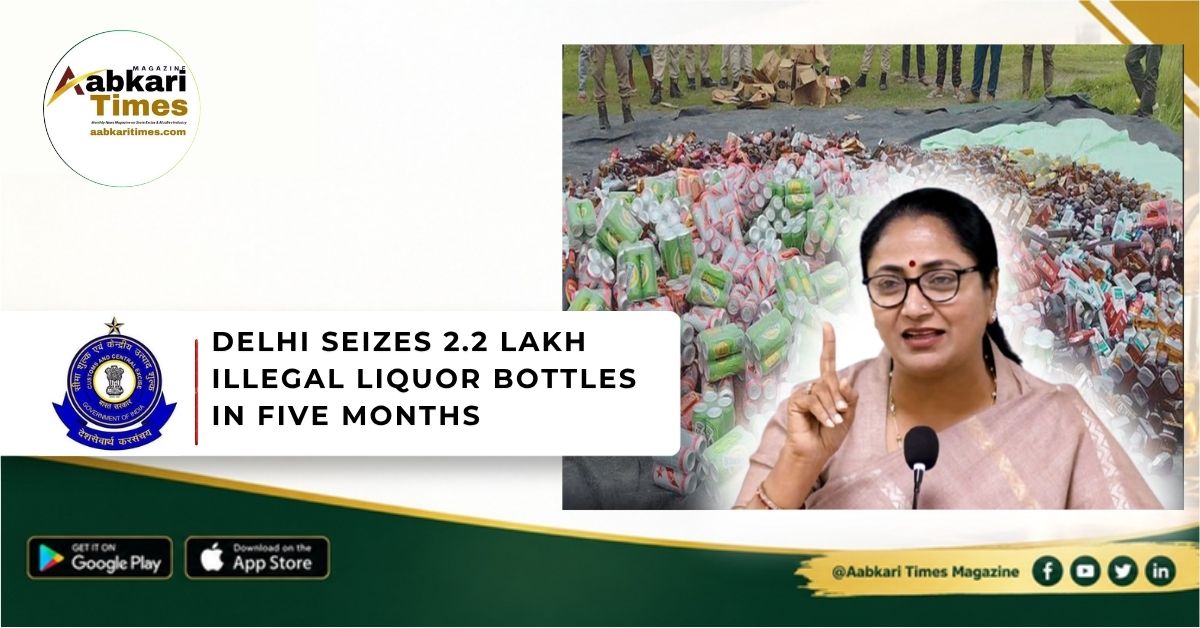
New Delhi, September 14, 2026: The Delhi Excise Department has registered 725 FIRs, arrested 730 individuals, seized 197 vehicles and recovered approximately 2.2 lakh bottles of illegal liquor between April and August 2026 more than double the enforcement numbers recorded during the same period last year, when 315 FIRs were registered, 312 people arrested, 112 vehicles seized and around one lakh bottles recovered
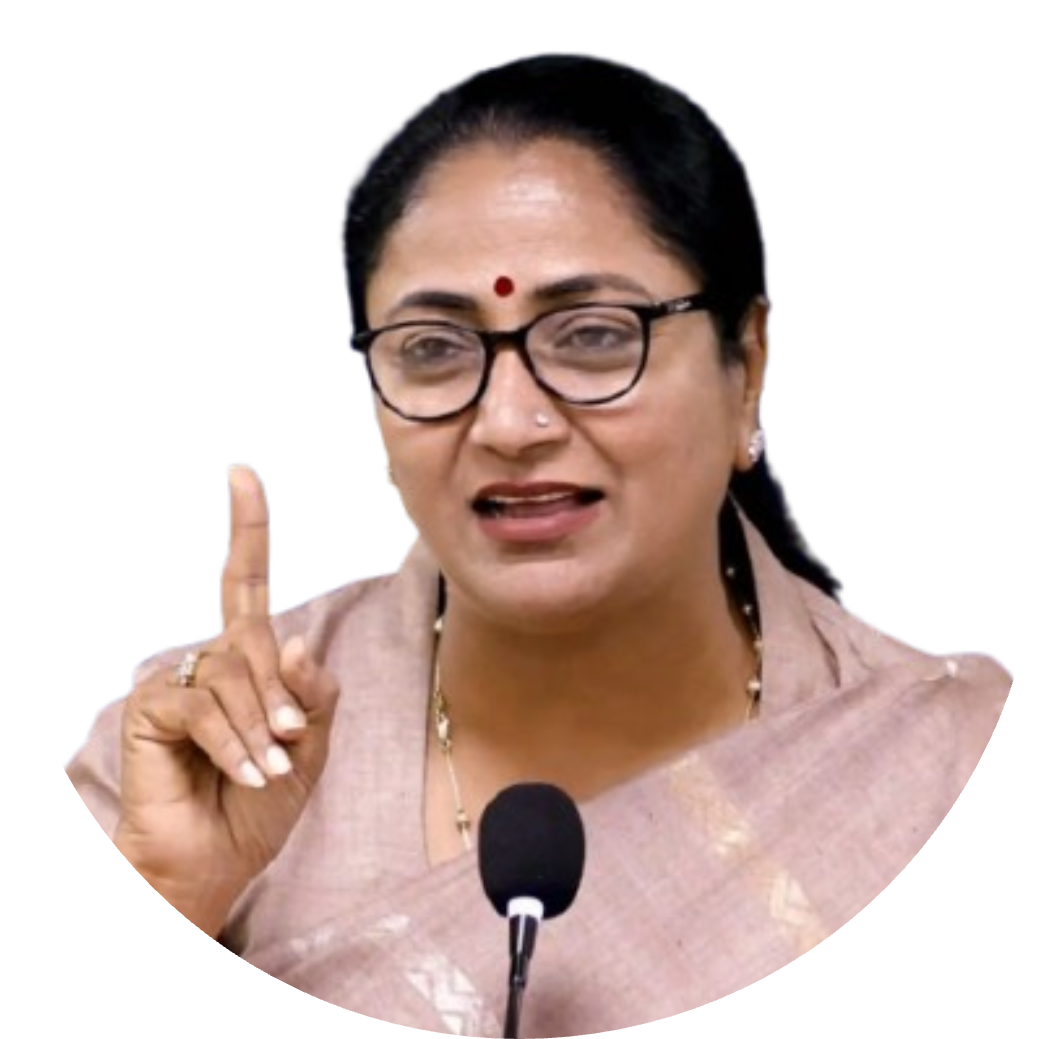 Chief Minister Rekha Gupta said the government was following a zero-tolerance policy towards the illegal liquor trade and was simultaneously working on a new excise policy. “The government’s priority is to ensure adequate availability of legal liquor during festivals, while also effectively curbing the sale and smuggling of illegal liquor,” she said. Enforcement activities are set to be stepped up further ahead of the festive season, with authorities heightening surveillance across Delhi’s approximately 70 border entry points a particular challenge given the city’s shared boundaries with neighbouring states through which illegal liquor is frequently smuggled.
Seven FIRs were also registered against licensed liquor establishments for violations, with action including sealing of bars, imposition of fines and other legal proceedings indicating the crackdown covers authorised outlets alongside smuggling routes and unlicensed sellers.
 Kerala Government Plans Strict Action Against Bars Serving Alcohol to People Below 23
 Odisha Bans New Liquor Shops for Three Years, CM Mohan Charan Majhi Announces Zero-Tolerance Policy on Drugs
On the revenue side, Delhi’s Excise Department collected ₹6,300 crore from excise duty alone in 2025-26, a 10.5 per cent increase from ₹5,700 crore in 2024-25. Including VAT on liquor, total excise-related revenue stood at ₹7,765.97 crore in FY2024-25.
Delhi continues to operate under its 2020-21 excise policy, extended in March by one year until March 31, 2027, while the draft new policy awaits public consultation, Cabinet vetting and Lieutenant Governor clearance. A ministerial panel headed by Parvesh Verma has proposed retaining the state-run retail model exclusively through four government corporations DSIIDC, DTTDC, DSCSC and DCCWS with no return of private vendors. The draft also proposes raising fixed per-bottle profit margins above the current ₹50 cap on IMFL and ₹100 on foreign liquor, larger walk-in government vends away from schools and residential areas, and a mobile app for liquor pre-booking and inventory tracking.
About the Author